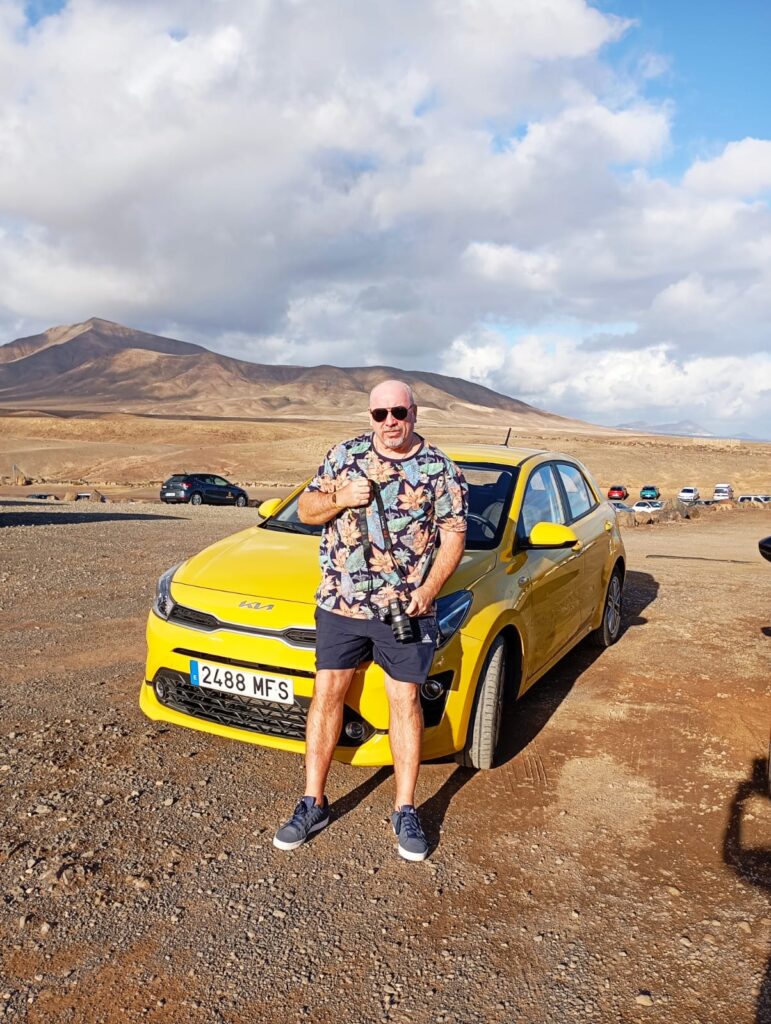
Timanfaya National Park covers 51 square kilometres of volcanic terrain in south-west Lanzarote, and visiting it is unlike any other national park experience in Europe. You cannot wander freely. You cannot leave your car wherever you like. Most of the interior is seen from a compulsory coach tour along the Ruta de los Volcanes, and the handful of walking trails require advance booking or sit just outside the protected boundary.
Understanding how access to Timanfaya actually works before you arrive is the single most useful thing you can do, because it shapes your entire day. The park entrance, the queue system, the geothermal demonstrations at Islote de Hilario, the César Manrique-designed El Diablo restaurant and the camel rides all sit within a tightly managed flow that rewards early arrivals and punishes those who turn up at midday without a plan.
This guide covers every practical detail you need: how to get to Timanfaya, what the coach tour involves, how to book guided walks, when to visit to dodge the worst crowds, and how to build a full south-west Lanzarote day route that pairs the park with El Golfo, Los Hervideros and La Geria. If you are pulling together a wider itinerary, it sits alongside the best things to do in Lanzarote as one of the island’s defining experiences. What follows is everything you need to plan a smooth, realistic visit.
Book Your Timanfaya Tickets Today!
Table of Contents
Why Timanfaya Feels Unlike Anywhere Else
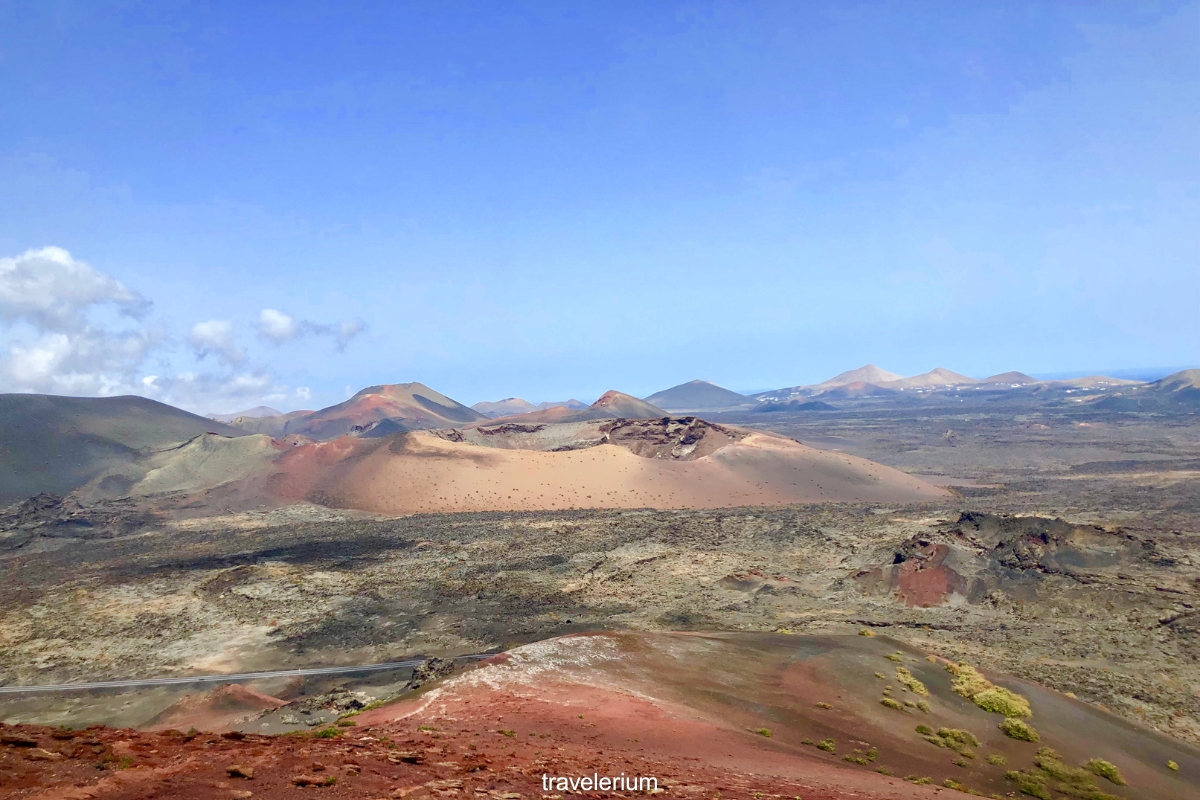
Timanfaya National Park, or Parque Nacional de Timanfaya, exists because of a sequence of volcanic eruptions so prolonged they reshaped an entire quarter of Lanzarote. The landscape is raw, treeless and almost entirely barren, with lava fields stretching in every direction in shades of black, rust and burnt orange. The park sits between two municipalities, spans more than 25 volcanoes, and remains geothermally active just metres beneath the surface.
The Eruptions That Shaped The Park
Between 1730 and 1736, a series of volcanic eruptions lasting six years buried villages, farmland and an entire coastline under lava. It was one of the longest recorded eruption events in history. A second, shorter eruption followed in 1824. Together, these events created the Montañas del Fuego, the Fire Mountains, and the vast lava fields that define the Timanfaya park today.
The volcanic soil has barely been colonised by vegetation in nearly 300 years. Lichen and a few hardy pioneer plants have taken hold in places, but the landscape looks almost untouched. Walking across it feels closer to exploring a planetary surface than visiting a European nature reserve.
Where The Protected Area Sits On Lanzarote
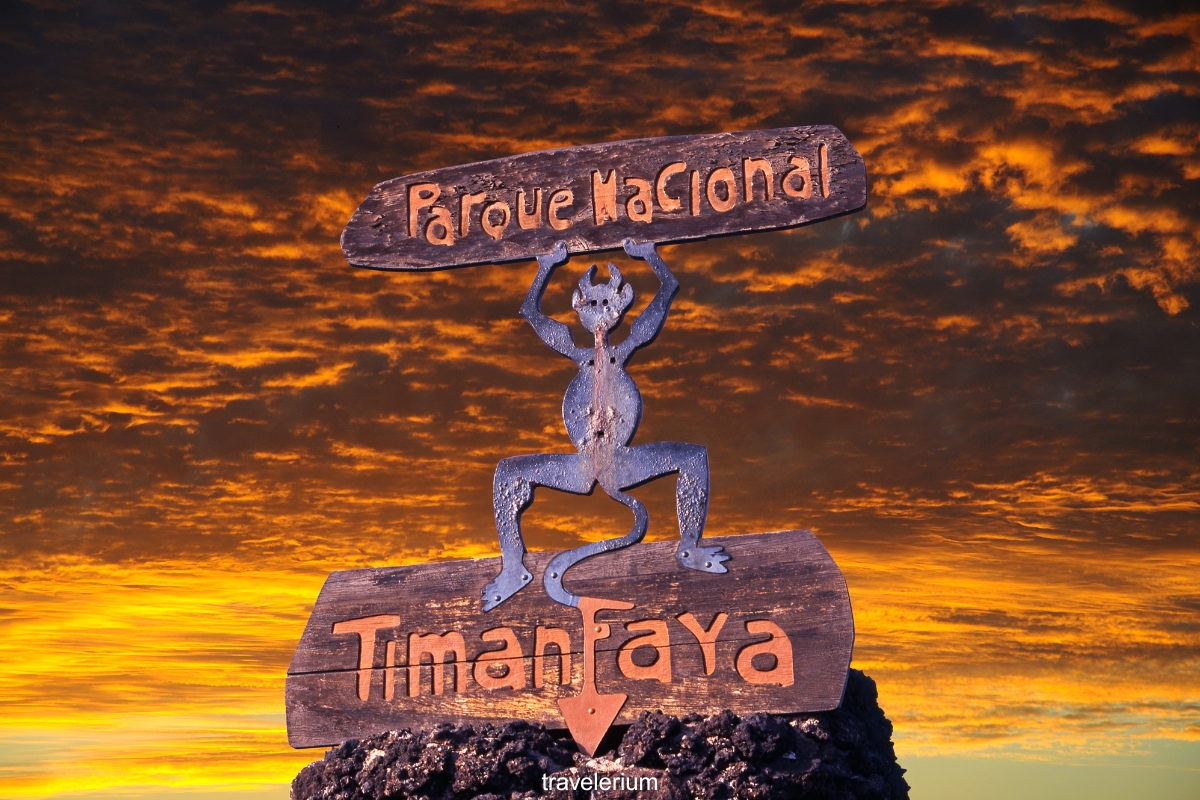
Timanfaya National Park lies in the south-west of Lanzarote, straddling the municipalities of Tinajo to the north and Yaiza to the south. The main entrance is reached via the LZ-67 road. The Timanfaya park boundary is well marked; you will pass the iconic El Diablo sign shortly before reaching the Echadero de Camellos.
The wider volcanic landscape, known as the Parque Natural de los Volcanes, extends well beyond the national park boundary. Several popular walks, including Caldera Blanca and the Volcán del Cuervo trail, sit outside the strictly protected zone but within this larger natural park. This distinction matters when planning your day.
Why Access Is Strictly Controlled
The park protects an extremely fragile environment. Volcanic soil and lava formations are easily damaged by foot traffic, and the sparse flora and fauna depend on minimal human disturbance. Timanfaya was declared a national park in 1974, and in 1994 it became a Special Protection Area for Birds.
You are not permitted to walk independently inside the park boundary. All movement within the core zone happens either on the guided coach tour or on pre-booked ranger-led walks with very limited group sizes. This level of control can feel restrictive, but it is the reason the Timanfaya landscape still looks as dramatic as it does.
How The Main Visit Works
For the vast majority of visitors, the Timanfaya experience follows a fixed sequence: you drive to the park entrance, queue for entry, ride a coach along the Volcano Route, watch the geothermal demonstrations at Islote de Hilario, and optionally eat at El Diablo. The whole loop typically takes between 60 and 90 minutes once you are inside, plus whatever time you spend queuing at the gate.
How To Get To Timanfaya
To get to Timanfaya National Park, you follow the LZ-67 road from either Yaiza (coming from the south) or Mancha Blanca and Tinajo (from the north). Most visitors approach from the Yaiza direction. The route is clearly signposted.
If you are renting a car in Lanzarote, which is the most practical option, you will find the drive from the main resort areas straightforward. From Puerto del Carmen, allow around 25 minutes. From Costa Teguise, roughly 40 minutes. From Playa Blanca, about 20 minutes.
There is a car park near the entrance, but it fills up quickly during peak hours. Arriving before 10:00 is the most reliable way to avoid a long wait. Coach tour operators also bring groups, and their arrivals tend to cluster between 10:30 and 13:00, which is exactly when queues peak.
What To Expect At Islote De Hilario
Islote de Hilario is the central stop inside the park and the highest point you will visit. This is where the geothermal demonstrations take place and where El Diablo restaurant sits. The coach drops you here, and you have time to walk around the viewing area before or after the demonstrations.
The area is exposed and can be windy. There is a small gift shop and toilet facilities. You are free to walk around the immediate plateau but cannot venture off the designated paths.
The Volcano Route Coach Tour
Once you pass the Timanfaya entrance gate, you drive up to Islote de Hilario, where you board a coach for the Ruta de los Volcanes. This is not optional; it is the only way to see the interior of the park.
The route lasts around 35 to 40 minutes and follows a narrow, winding road through the heart of the Fire Mountains. The coach passes craters, lava tubes and sweeping views across multiple volcanic cones, including Montaña Rajada and Nuevo del Fuego. A recorded commentary plays during the journey. You cannot leave the coach at any point along the route.
The views through the windows are genuinely striking. Sitting on the right-hand side generally offers the better vantage point for the most dramatic craters. The sense of scale is difficult to appreciate from photographs; seeing the colour shifts in the volcanic soil at close range is what makes the route worthwhile.
Geothermal Demonstrations And What They Show
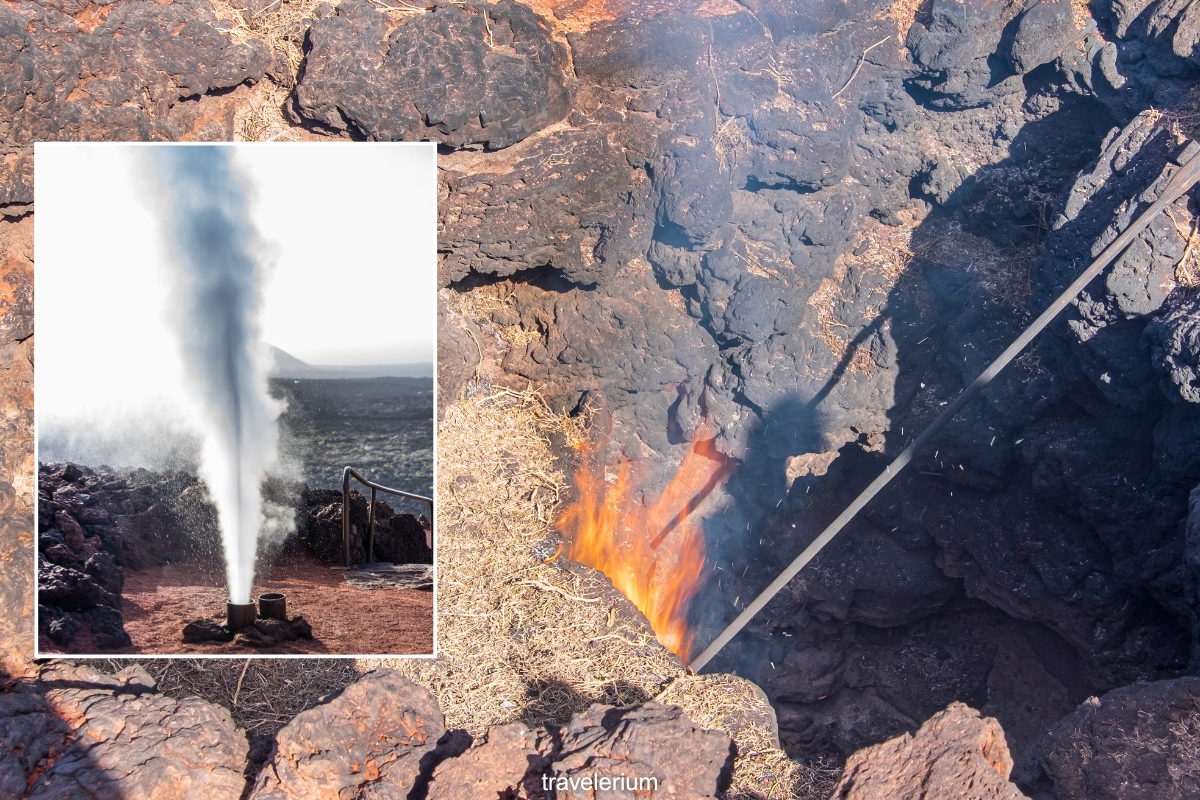
Back at Islote de Hilario, park staff carry out a series of short demonstrations to show that the ground beneath your feet is still extremely hot. These typically include pouring water into a borehole, which produces a jet of steam within seconds, and placing dry brush into a shallow pit, which ignites from geothermal heat alone.
The demonstrations are quick, visual and genuinely impressive. They run regularly throughout the day, and crowds gather around each one. The steam geyser is the most dramatic and makes for a good photograph if you position yourself upwind. These demonstrations are included in your entry ticket and require no separate booking.
Walks, Trails And Slower Ways To Experience The Volcanoes
If the coach tour feels too passive, there are ways to experience the volcanic landscape on foot. Inside the park, guided walks are available but strictly limited. Outside the protected boundary, the Caldera Blanca trail offers the best independent hiking option in the area, with no booking required.
Booking A Guided Walk Inside The Park
The Spanish national parks authority offers free ranger-led walks inside Timanfaya, but places are extremely limited. Walks are typically available in small groups and must be booked in advance through the official national parks booking website. Slots are released around two months ahead and fill up fast, especially for English-language departures.
Two routes are currently offered: the Tremesana trail and a coastal route. Both are led by park rangers and cover terrain you cannot access any other way. If walking inside the park matters to you, set a reminder to check for availability as soon as booking windows open.
The Tremesana Trail
The Tremesana trail is the shorter of the two guided walks, lasting around two to three hours and covering relatively manageable terrain. It starts from a meeting point near the Mancha Blanca Visitor Centre and takes you across lava fields and past volcanic formations within the park boundary.
The walk gives you something the coach tour cannot: direct contact with the volcanic soil, close-up views of lava textures, and the silence of the interior. Group sizes are small, so it feels genuinely immersive. Wear sturdy, closed-toe shoes with good grip. The surface is uneven and sharp in places.
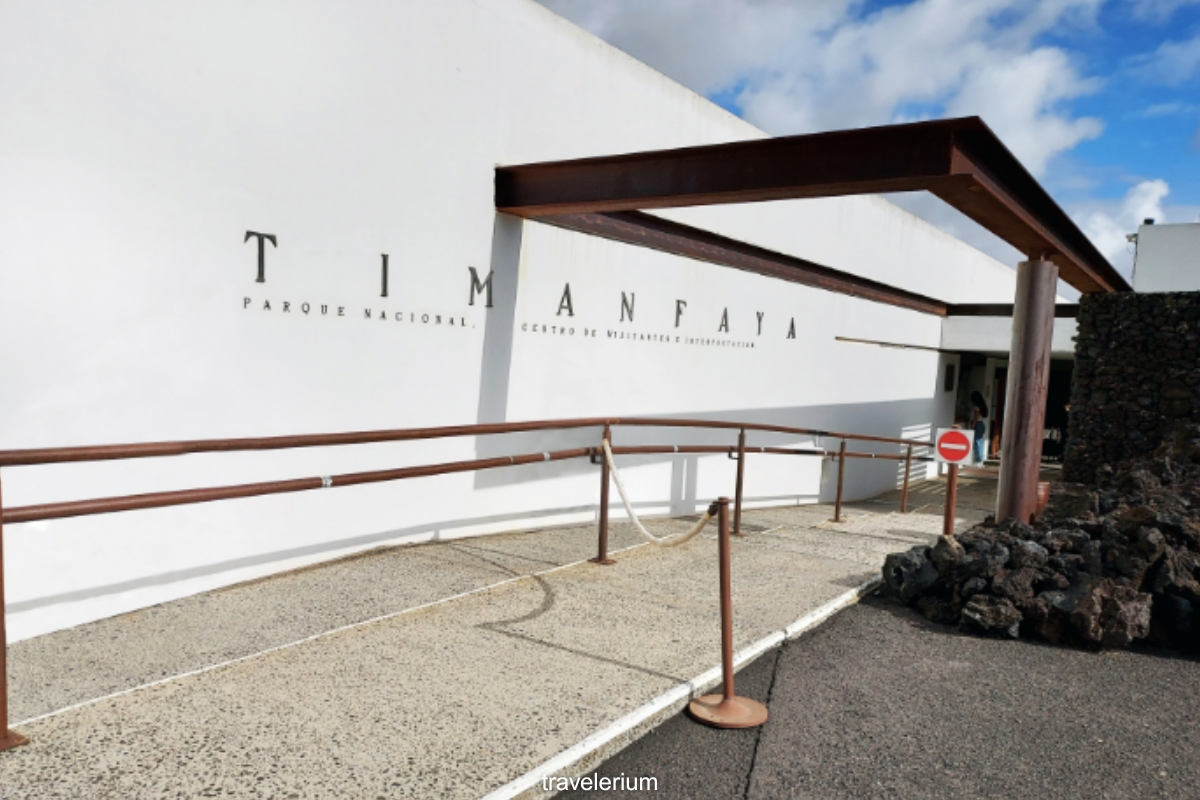
The Mancha Blanca Visitor Centre, sometimes called the Timanfaya Visitor Centre, is worth a stop regardless of whether you are walking. It has free exhibitions on the park’s geology and ecology, and staff can answer practical questions about conditions and access.
Caldera Blanca On The Park’s Edge
If you cannot secure a guided walk inside the park, the Caldera Blanca trail is the next best thing. This circular hike sits just outside the national park boundary and is free to walk without a guide or booking.
The trail is roughly 9 kilometres and takes about three hours at a steady pace. It climbs to the rim of the Caldera Blanca crater, the largest in the area, and rewards you with panoramic views over the lava fields and across to the Fire Mountains. The final section to the crater rim is steep and exposed, so bring sun protection, water and decent footwear.
The trailhead is signposted from the village of Mancha Blanca. Parking is available at a small roadside area near the start. Early morning is the best time, both for cooler temperatures and quieter trails. This walk is, in many ways, the most satisfying volcanic experience you can have in the area if you enjoy being on foot.
El Diablo And Other Signature Stops
Three stops on the Timanfaya circuit have become attractions in their own right: El Diablo restaurant, the camel rides at Echadero de Camellos, and the broader César Manrique design legacy woven through the park’s architecture. Each adds a different layer to the visit, though none is essential if your priority is the landscape itself.
Eating At El Diablo Restaurant
Restaurante El Diablo sits on top of Islote de Hilario and cooks food using geothermal heat from the volcanic ground beneath the building. A grill built directly over a natural vent reaches temperatures high enough to cook meat and fish without any artificial fuel. The concept is extraordinary; the food is straightforward.
The menu leans towards grilled meats, local fish and simple Canarian sides. Prices are higher than you would pay in the resorts, but you are paying for the setting as much as the meal. The circular dining room has floor-to-ceiling windows with views over the lava fields, which are genuinely impressive.
Expect a queue at peak lunch hours, roughly 12:30 to 14:00. Eating here is a worthwhile novelty, but if you are tight on time, the geothermal demonstrations and the coach tour are higher priorities.
The César Manrique Design Story
The El Diablo building and the park’s visual identity were designed by César Manrique, the Lanzarote-born artist and architect whose influence is visible across the island. Manrique championed a philosophy of working with the natural landscape rather than against it, and the restaurant’s low-profile design reflects that.
The playful red devil logo at the park entrance is also Manrique’s work. If you visit other Manrique sites on Lanzarote, such as Jameos del Agua or the Cactus Garden, you will recognise the same approach: restrained architecture that frames volcanic scenery rather than competing with it.
Camel Rides At Echadero De Camellos
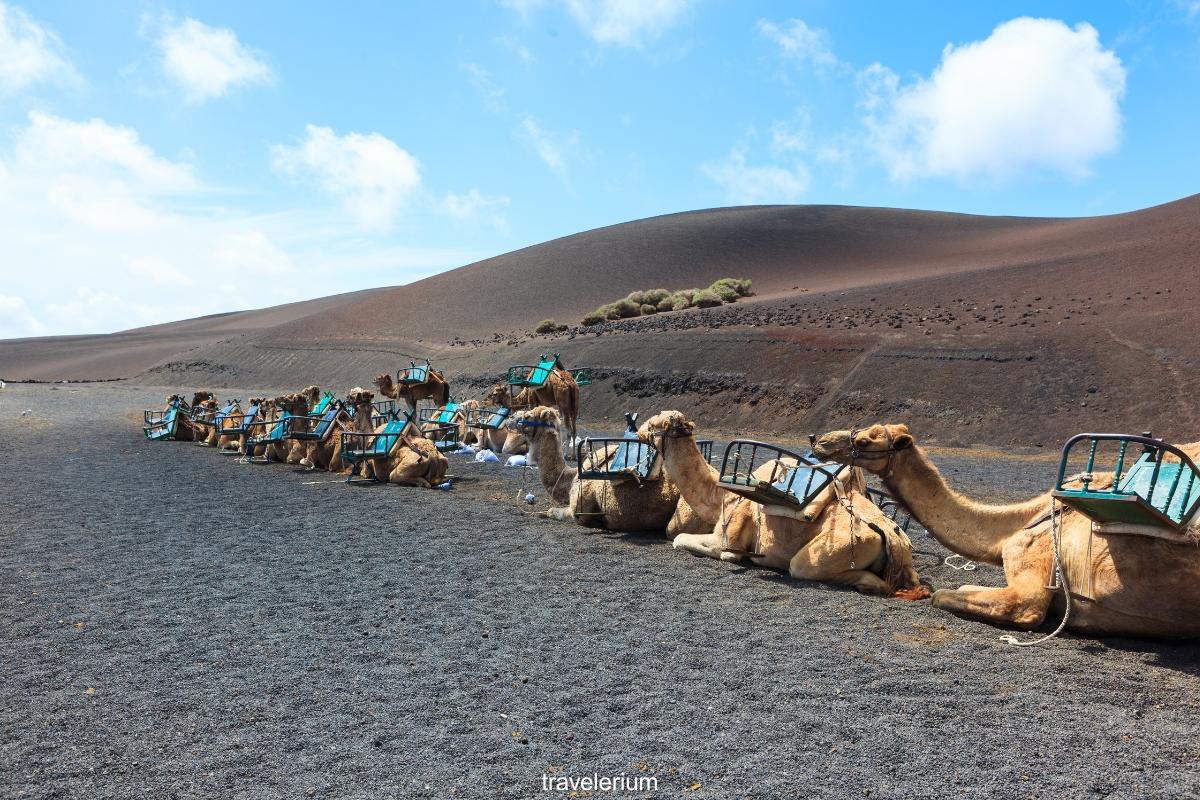
The Echadero de Camellos sits just outside the main park entrance on the LZ-67 road. Short dromedary rides take you along the lower slopes of the Montañas del Fuego, lasting roughly 20 minutes. You ride two to a dromedary, seated in a wooden saddle frame.
The experience is brief and geared towards families. Views from the higher slopes are decent, though the route covers only the outermost edge of the park. Queues here can also build during midday. If you plan to do it, arrive early or leave it until late afternoon when tour groups have moved on.
Practical Planning Before You Go
Getting the logistics right makes a noticeable difference to your Timanfaya visit. The park is exposed, the entry system creates bottlenecks, and the surrounding area has limited facilities. A small amount of planning saves a lot of frustration.
When To Visit And The Weather In Timanfaya
Timanfaya is open year-round, and the weather in Timanfaya rarely prevents a visit. Summers are hot and dry, with temperatures regularly reaching the low 30s. Winters are mild, typically between 17°C and 22°C, with occasional rain.
Wind is the factor people underestimate. The park sits on exposed terrain with no shelter, and the Alisio trade winds can make it feel significantly cooler than the resorts. Bring a light windproof layer even in summer. Sunscreen and a hat are essential year-round.
Spring and autumn offer the most comfortable conditions for combining the park with walking. January and February can be quieter, though weather is less predictable.
Tickets, Timed Entry And Queue Strategy
Entry to the Montañas del Fuego section of Timanfaya costs around €12 for adults and €6 for children, which includes the coach tour and geothermal demonstrations. Tickets can be purchased at the gate or, increasingly, booked online in advance through the CACT Lanzarote website.
If timed entry slots are available, book one. They significantly reduce your waiting time at the gate. Without a pre-booked slot, you join a queue of cars that can stretch for 30 minutes or more during peak season.
The single best piece of timing advice: arrive before 10:00 or after 15:00. Midday is the worst window, when tour buses and late risers converge at the entrance.
Driving, Parking And Renting A Car In Lanzarote
Renting a car in Lanzarote is straightforward and gives you the flexibility to combine Timanfaya with nearby stops. Most hire companies operate from Arrecife airport and the main resort areas. Roads to the park are well-maintained two-lane routes.
There is a free car park at Islote de Hilario inside the park. Once inside the gate, you drive up to the plateau and park before boarding the coach. The car park is not enormous, and during peak hours it fills up, which is another reason to arrive early.
A second car park serves the Echadero de Camellos near the park entrance. This one is larger and rarely full.
How To Get To Lanzarote By Plane
Lanzarote’s César Manrique Airport (ACE) receives direct flights from most major UK airports, with flight times of around four hours. Budget carriers and charter airlines both operate year-round routes, with the most frequent services running between October and April.
From the airport, the drive to Timanfaya takes approximately 25 to 30 minutes. There is no public transport link directly to the park, so hiring a car on arrival is the most practical approach.
How To Build A South-West Lanzarote Day Around The Park
Timanfaya works best as the anchor of a wider south-west Lanzarote loop rather than a standalone stop. The surrounding area contains several striking volcanic sites, a handful of quiet villages, and one of the island’s most photographed coastal spots. Stringing them together into a half-day or full-day route is straightforward by car.
Pairing Timanfaya With El Golfo
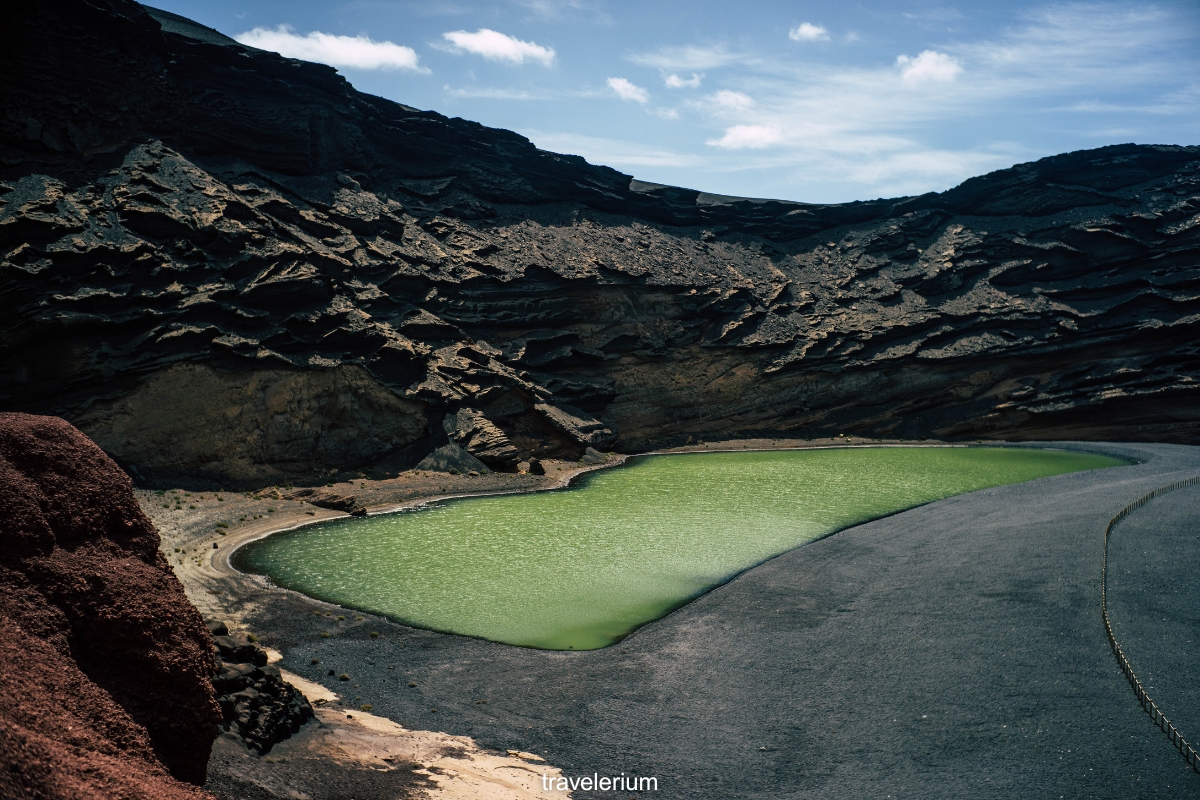
El Golfo is a small fishing village on the south-west coast, roughly 15 minutes’ drive from the park entrance. Its main draw is the Charco de los Clicos, a vivid green lagoon set against black lava cliffs and the sea. The viewpoint above the lagoon is free to visit and takes only a few minutes.
The village itself has a row of seafood restaurants facing the ocean. Fresh fish here is notably good and far more relaxed than eating at El Diablo. Combining Timanfaya with lunch in El Golfo is one of the most satisfying half-day plans on the island.
Adding Los Volcanic Surroundings And Nearby Villages
Between Timanfaya and El Golfo, the coast road passes Los Hervideros, where waves crash into eroded lava cliffs and sea caves. It is a brief, free stop that adds atmosphere to the drive.
The village of Yaiza, sometimes called the prettiest village on Lanzarote, sits just south of the park. It is small, white-washed and quiet, with a couple of good restaurants. Tinajo, north of the park, is more workaday but useful for fuel and supplies.
If you continue east from Yaiza, you reach La Geria, Lanzarote’s volcanic wine region, where vines grow in individual hollows scooped out of black volcanic soil. Several bodegas offer tastings, and the landscape is unlike any other wine-growing area you will have seen.
A Simple Half-Day Or Full-Day Route
Half-day route: Arrive at Timanfaya by 09:30. Complete the coach tour and demonstrations by 11:00. Drive to Los Hervideros (10 minutes), then El Golfo for an early lunch. Return via Yaiza. Total time: roughly four hours.
Full-day route: Follow the half-day route, then continue to La Geria for a wine tasting in the early afternoon. If energy allows, loop back through Yaiza and stop at the Mancha Blanca Visitor Centre or walk part of the Caldera Blanca trail in the late afternoon light. Total time: six to seven hours.
Both routes work well by car and avoid backtracking. Pack water, snacks and sun protection, as facilities between stops are limited.
Frequently Asked Questions
How do you buy tickets in advance and what do they include?
You can buy tickets for the Montañas del Fuego section of Timanfaya through the CACT Lanzarote website. The ticket includes entry, the Ruta de los Volcanes coach tour and the geothermal demonstrations at Islote de Hilario. Booking a timed slot online helps you skip the gate queue, which can be significant during peak hours.
What are the opening times throughout the year, and when is the last entry?
Timanfaya National Park is generally open daily from 09:00 to 17:00, with last entry around 15:45. Hours can shift slightly by season, so it is worth checking the CACT Lanzarote website or the Mancha Blanca Visitor Centre for current times before you set off.
What is the best time of day to visit to avoid queues and crowds?
Arriving before 10:00 gives you the shortest queues and the quietest experience inside the park. The worst congestion typically occurs between 11:00 and 14:00, when tour buses arrive in clusters. Late afternoon, after 15:00, is another good window if you do not mind a shorter visit.
Can you enter by car, and where are the main parking areas and access points?
You drive your own car from the park entrance gate up to the Islote de Hilario car park, where you leave it before boarding the coach. A separate car park serves the Echadero de Camellos near the entrance. You cannot drive the Ruta de los Volcanes yourself; the coach tour is compulsory for that section.
What is the best route to follow inside, and is there a map available for visitors?
The route inside the park is fixed. You drive to Islote de Hilario, board the coach for the Volcano Route loop, return to Islote de Hilario for the demonstrations, and then drive out the same way you came in. The Mancha Blanca Visitor Centre provides free maps of the wider area, and offline maps are useful since mobile signal inside the park can be patchy.
What films and TV programmes have been shot in the park?
Timanfaya’s barren, otherworldly landscape has been used as a filming location for science-fiction and adventure productions. Parts of the terrain have served as stand-ins for planetary surfaces, and the area has been used by space agencies for astronaut training exercises simulating conditions on other planets. Specific productions are not always publicly confirmed, but the park’s visual resemblance to Mars and the Moon makes it a recurring choice.