
In Mozaga, near the geographical heart of Lanzarote, Casa-Museo del Campesino offers a change of pace from beaches, lava fields and busy viewpoints. Created by César Manrique as a tribute to the island’s farmers, it brings together traditional-looking buildings, spaces devoted to rural life and the striking Monumento a la Fecundidad, or Monument to Fertility.
Casa-Museo del Campesino is worth visiting not because it promises a packed museum itinerary, but because it helps explain the landscape you have been driving through. After seeing vines rooted in volcanic ash or fields bordered by stone, you can come here and think about the people who learned to cultivate that demanding ground. Allow yourself time to wander rather than treating it as a quick photo stop.
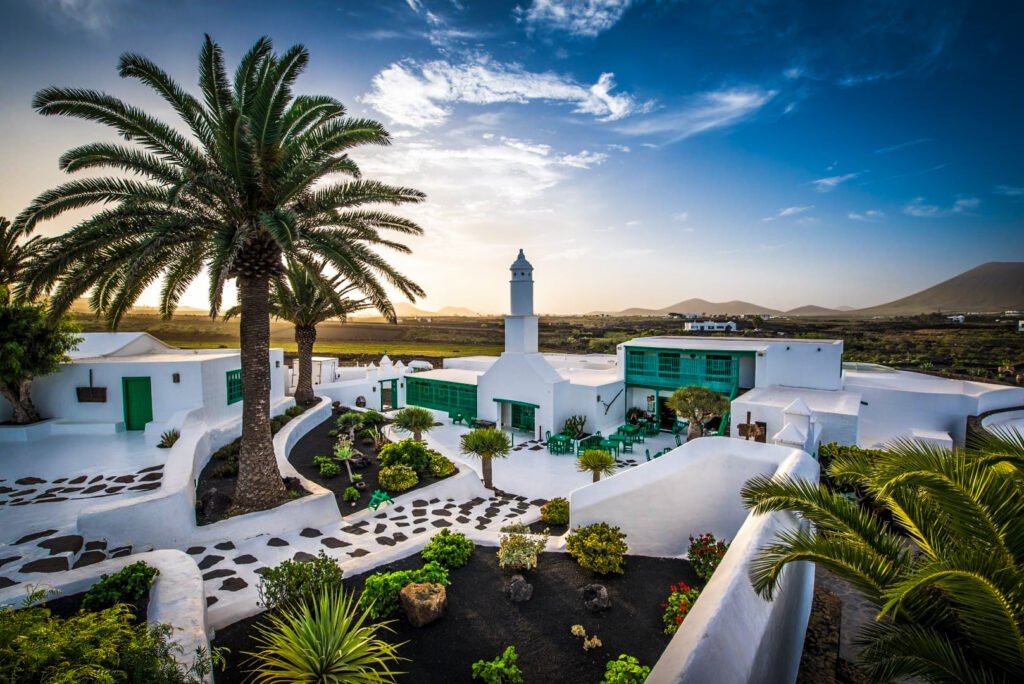
Table of Contents
What Makes Casa-Museo del Campesino Different?
Many of Manrique’s best-known Lanzarote projects make an immediate impression: a cave transformed into a performance space, perhaps, or a viewpoint concealed in a cliff. Casa-Museo del Campesino works more quietly. Its whitewashed forms and rural references evoke the island’s traditional architecture, while the monument rising beside them makes its purpose unmistakable. This is a celebration of campesinos—the agricultural workers whose knowledge helped sustain life on Lanzarote.
That theme gives the visit an emotional centre. Lanzarote’s scenery can look stark from a car window, especially around the volcanic interior. Here, the focus shifts from the spectacle of the terrain to the ingenuity required to live with it. The official Lanzarote tourism site describes the complex as one of Manrique’s most symbolically rich works. You do not need a background in art or agriculture to appreciate it; curiosity is enough.
What It Feels Like to Wander Around
The best approach is to slow down as soon as you arrive. From the road, the Monument to Fertility commands attention. As you move closer, the scale of the complex becomes easier to take in: pale buildings, open spaces and architectural details that invite you to look in more than one direction. Rather than rushing straight to an exhibit, pause and notice how the buildings sit against the dark volcanic ground.
Inside, the visit feels less like moving through a conventional gallery and more like exploring a place built around an idea. Rooms and interpretive elements draw attention to rural life, while the setting itself does much of the storytelling. Step between the spaces, look back at the monument from another angle, and give yourself a moment to consider why Manrique chose to honour farming at the centre of the island.
It is a particularly rewarding stop for travellers who enjoy noticing the connections between places. A stone wall glimpsed earlier beside a field, a village house or a vineyard in La Geria may suddenly feel like part of a larger story. Casa-Museo del Campesino does not replace seeing Lanzarote’s working landscapes firsthand. It makes those landscapes more legible.
Start With the Monument to Fertility
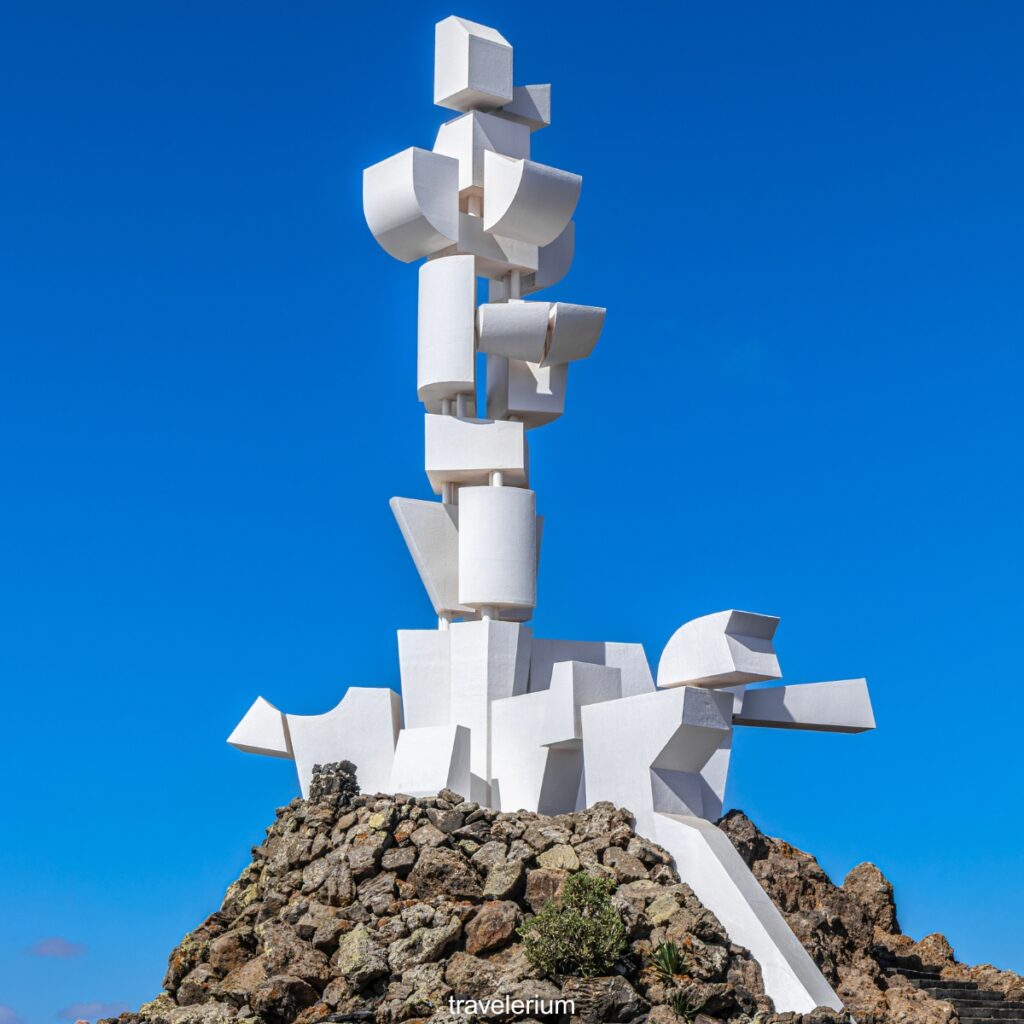
You are unlikely to miss the tall white sculpture beside the complex. The Monumento a la Fecundidad acts as both a landmark and a statement of intent, honouring the fertility that island farmers coaxed from difficult land. Its bold silhouette contrasts with the lower buildings around it and with Lanzarote’s earthy colours.
Look at it from nearby, then step back if space and conditions allow. The relationship between the sculpture, the buildings and the surrounding landscape matters more than any single snapshot. In bright light, its white surfaces can appear especially vivid against the sky. On a breezy or cloudy day, the monument can feel more exposed—a reminder that agriculture here has always involved working with the elements.
Explore the Rural-Life Spaces
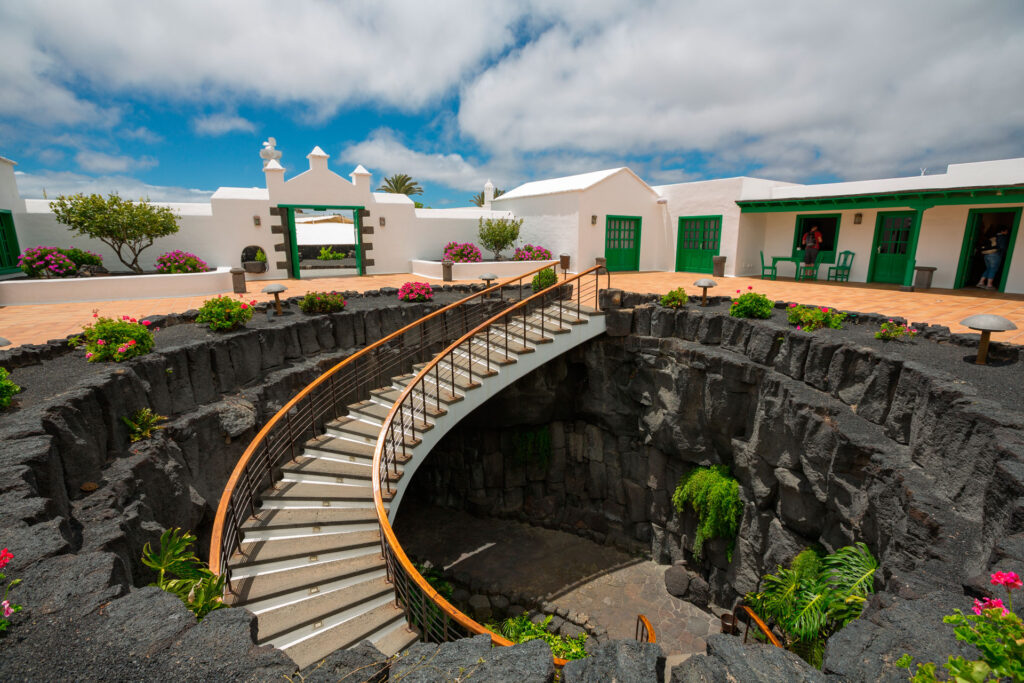
The museum’s rooms offer a closer look at the traditions and skills behind the tribute. Take time to read the interpretation available during your visit rather than simply walking through. Even a brief explanation of how islanders worked, built and used local resources can change the way you see the fields beyond Mozaga.
Casa-Museo del Campesino introduced a renewed visitor route in 2026, with guided interpretation by staff and a self-guided option using QR codes, according to local coverage of its reopening. Visitor arrangements can change, so check what is available when you arrive. If you hope to use a QR-based route, a charged phone is useful, but you can still enjoy the architecture and setting without following every piece of interpretation.
Notice the Architecture, Not Just the Exhibits
Manrique’s work often encourages you to look at the boundary between art and everyday life. Here, the rural buildings are not merely a backdrop for displays. Their proportions, white surfaces and arrangement are part of the experience, pointing toward the practical architecture associated with Lanzarote’s villages.
Try not to hurry through the spaces in search of a single “main attraction.” Look through openings, notice changes in light and consider how the complex guides you from its imposing outdoor monument into more human-scale surroundings. If you have visited Manrique’s more theatrical sites, this one offers a useful contrast: it shows how his respect for Lanzarote extended beyond volcanic drama to the people who shaped the island over generations.
Food and Local Flavours
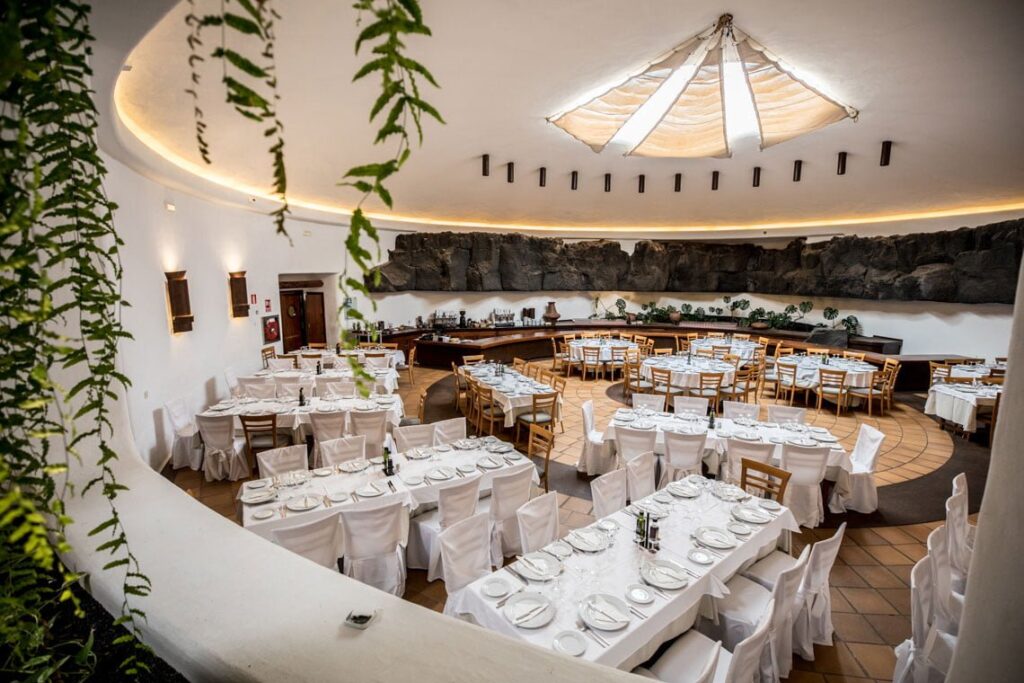
Food can be a natural extension of the visit. The official CACT page for Casa-Museo del Campesino describes a restaurant focused on traditional Lanzarote cooking, local produce, artisan cheeses and wines with the Lanzarote Designation of Origin. If a meal here appeals to you, check current restaurant service and whether a reservation is advisable before planning your day around it.
Eating on site gives the museum’s agricultural theme another dimension. After reading about rural traditions, you can encounter some of the island’s produce at the table. You need not make lunch the centrepiece of your visit, though. A shorter stop can work well if you are continuing toward a winery, a village or another Manrique site.
If you do sit down to eat, keep your onward plans in mind. Lanzarote’s roads make it tempting to fit several stops into a day, but a relaxed meal changes the pace. That may be precisely what you want: this is a place that rewards an unhurried afternoon more than a strict sightseeing schedule.
How Casa-Museo del Campesino Fits Into a Lanzarote Day
Mozaga’s central location makes the museum easy to pair with other experiences. La Geria’s vineyards are a particularly satisfying match. Seeing vines grown in the island’s distinctive volcanic landscape, then visiting a place dedicated to rural knowledge, gives both stops more meaning. If you plan to taste wine and drive, arrange for someone in your group not to drink.
You could also combine the museum with time in Teguise, Lanzarote’s former capital, or with another of Manrique’s projects. The César Manrique Foundation in Tahíche offers a very different view of his work through his former home, built into volcanic formations. Visiting the two sites on the same day highlights the range of his ideas without requiring you to rush across the whole island.
If you are still deciding how to divide your time between Manrique sites, villages, beaches and volcanic scenery, the broader guide to Things to do in Lanzarote can help you build a route that suits your interests. Casa-Museo del Campesino is especially valuable when you want a thoughtful stop between bigger outings, rather than another destination that consumes most of the day.
A Good Stop Between North and South
Because the complex sits inland, you may find it easiest to visit while crossing the island rather than travelling out and back solely for the museum. It can break up a drive and provide a welcome shift from coastal sightseeing. A stop here may be particularly appealing after Timanfaya or another volcanic excursion, when questions about how anyone farmed this terrain are fresh in your mind.
Resist the urge to schedule it as an afterthought with only a few minutes to spare. Even if your visit is relatively short, you will get more from it if you have time to look around, use the available interpretation and pause outdoors. If the restaurant is part of your plan, leave considerably more room in your schedule and confirm service in advance.
Book Your César Manrique Trips Today
Practical Tips for a First Visit to Casa-Museo del Campesino
Check the Current Visitor Arrangements
Casa-Museo del Campesino has had changes to its visitor experience, including the 2026 reopening of its museum route. Before setting off, check the official CACT opening-hours and rates page for current details. Confirm the museum visit separately from any restaurant plans: access, guided activities and food service need not follow exactly the same arrangements.
Recent reports describe the renewed visit as free, but it is still wise to verify current admission information rather than relying on an older listing. If a guided element matters to you, ask whether it is running on your chosen day and in a language you understand. A self-guided visit may suit you better if you prefer to explore at your own pace.
Consider How You Will Get to Casa-Museo del Campesino
A hire car is the most flexible way to include Mozaga in a wider day of sightseeing, particularly if you want to continue to La Geria or several villages. Put the museum’s name into your navigation app before leaving your accommodation, and check the route rather than assuming that “central Lanzarote” means a straightforward walk from another attraction.
If you are not driving, look up current bus routes and stops before committing to a plan. Public transport may work for your itinerary, but connections and walking distances matter when you are travelling inland. A taxi can be simpler if you have limited time; arrange your return journey rather than assuming you can immediately find one nearby.
Plan for Sun, Wind and Uneven Ground
Part of the pleasure of the visit is moving between indoor and outdoor areas, so dress for the conditions on the day. Lanzarote’s sun can feel strong even when a breeze keeps you cool. Bring water, sun protection and comfortable shoes, especially if you will be continuing to another outdoor site.
If step-free access or another accommodation is important to you, contact the venue ahead of time for advice on the current route. Historic-style spaces, changes in level and outdoor surfaces can affect how easily different visitors move around. Staff should be able to give more useful guidance than a general description of the complex.
Give Children Something to Look For
For families, the monument provides an immediate point of interest. Ask children what shapes they can see in it, or challenge them to notice the differences between the museum’s buildings and the places you are staying. A short visit with time to explore may work better than expecting younger children to read every display.
The underlying story can be made simple: people found ways to grow food and build communities on an island where water and fertile-looking soil were not always easy to come by. Connect that idea to fields or vineyards you see later in the day, and the museum becomes more than a brief stop for adults.
Is Casa-Museo del Campesino Worth Visiting?
Yes—particularly if you want to understand Lanzarote as a lived-in island, not just a collection of extraordinary views. Casa-Museo del Campesino will appeal most to visitors interested in Manrique, local culture, architecture or the ingenuity behind the island’s agricultural landscapes. Its central location also makes it convenient to weave into a day that already takes you through the interior.
Come with the right expectations. This is not a vast museum to conquer room by room, nor does it need to compete with the visual spectacle of Timanfaya or Jameos del Agua. Its value lies in the quieter connections it makes: between art and work, architecture and landscape, and the food on the table and the people who made it possible.
Arrive curious, check the practical details before you travel, and leave enough time to wander. You may depart with a better understanding of the fields you pass on your next drive—and of why Manrique believed Lanzarote’s farmers deserved a monument of their own.
Frequently Asked Questions about Casa-Museo del Campesino
Where is Casa-Museo del Campesino?
It is in Mozaga, near the centre of Lanzarote. Its inland location makes it a convenient stop when travelling between different parts of the island, particularly if you are also visiting La Geria’s vineyards.
How long should I allow for a visit to Casa-Museo del Campesino ?
Allow around 45–90 minutes to explore without rushing. Leave more time if you plan to follow the museum interpretation closely or eat at the restaurant.
Do I need to book ahead?
Check the official CACT website before you go, especially if you want a guided visit or a restaurant meal. Booking arrangements and available experiences can change.
Is it worth visiting if I’m not interested in museums?
Yes, if you enjoy architecture, local culture or understanding the landscapes you see while travelling around Lanzarote. The monument and buildings are part of the experience, so a visit need not revolve around reading every display.
Can I visit without a car?
Potentially, but check current public transport routes, stops and connections when planning your day. A taxi may be easier if you have limited time; consider arranging the return journey in advance.
What should I bring?
Comfortable shoes, water and sun protection are sensible choices, as you may spend time moving between indoor and outdoor spaces. A charged phone is useful if a QR-based self-guided route is available during your visit.