Lanzarote sits closer to the Sahara than to mainland Spain, and that geography gives it something rare: reliable warmth in every month of the year. Temperatures on this easternmost Canary Island rarely dip below 15°C or climb above 31°C, which means you can visit Lanzarote in January and still spend most of the day in a t-shirt.
The best time to visit Lanzarote depends less on avoiding bad weather and more on matching conditions to what you actually want from your trip. A beach holiday in August feels very different from a hiking break in March or a quiet week exploring volcanic landscapes in October. Wind, sea temperature, crowd levels, and flight prices shift meaningfully across the calendar, even if sunshine stays fairly constant.
This guide, Ultimate Travel Guide to Lanzarote, breaks the year down month by month, then layers in the practical details that really shape your experience: when the trade winds pick up, when the sea is warm enough for comfortable swimming, when school-holiday crowds push prices higher, and when shoulder-season windows offer the best balance of weather and value. If you are comparing dates for a Lanzarote holiday, you will find clear recommendations rather than vague “any time is great” advice.
Best Time To Visit Lanzarote
Check Prices and Availability of Hotels in Lanzarote

Table of Contents
Best Time To Visit Lanzarote
Quick Answer: Choosing Your Ideal Travel Window
The best time to visit Lanzarote hinges on three things: what you want to do, how much you want to spend, and how you feel about wind. Below is a shortcut to the strongest windows for different priorities, so you can narrow your dates before reading the full month-by-month detail.
Best Months Overall
September and October consistently offer the best all-round conditions. The sea is at its warmest (22–23°C), the summer trade winds have eased, school-holiday crowds have thinned out, and daytime temperatures sit comfortably around 26–28°C. If you can only visit once, this is when to visit Lanzarote.
May is another excellent pick. It brings warm, settled weather, longer days, and noticeably lower prices than the summer peak. The best month to visit Lanzarote for most UK travellers falls somewhere in that May or September–October window.
Best For Warm Sea And Beach Time
The sea around Lanzarote warms slowly. It does not hit 21°C until July and peaks at around 23°C in September and October. For proper beach days with comfortable swimming, June through October is the sweet spot. August and September give you the warmest water, though August also brings the strongest winds and the biggest crowds.
Best For Sightseeing And Hiking
Cooler months make exploring Lanzarote’s volcanic terrain far more pleasant. November through April keeps temperatures moderate (18–22°C during the day) and the low-angle light across the lava fields looks stunning. Timanfaya National Park and the inland trails are all more enjoyable when you are not battling midday heat. The best time to go to Lanzarote for active days outdoors is late autumn or early spring.
Best For Fewer Crowds And Better Value
Avoid school holidays and you avoid the peak pricing. Late January, February, May, and late September through November tend to be the quietest periods, with cheaper flights from the UK and better hotel rates. February can feel a touch cooler in the evenings, but daytime conditions are still bright and warm enough for sightseeing and poolside relaxation.
Check out Lanzarote Weather for a Specific Month
- Lanzarote in January
- February in Lanzarote
- March Weather in Lanzarote
- April Lanzarote
- Lanzarote Weather in May
- June Weather
- July in Lanzarote
- Lanzarote in August
- September in Lanzarote
- October Weather on Lanzarote
- November Climate in Lanzarote
- Weather Conditions on Lanzarote in December
Best Time To Visit Lanzarote
What The Climate Is Really Like Across The Year
Lanzarote’s climate is semi-arid and remarkably stable. Rainfall is minimal, sunshine is generous in every season, and the temperature range across the whole year is narrower than most UK travellers expect. The main variable that catches people off guard is not rain or cold; it is wind.
Temperatures, Sunshine, And Rainfall
Daytime highs range from about 20°C in January to 28–29°C in August. Winter evenings can dip to 14–16°C, so a light jacket is worth packing between November and March. Summer nights stay mild at around 20–22°C.
Lanzarote averages roughly 8.5 hours of sunshine per day across the year. Even in December and January, you can expect six to seven hours of sun. Days are shorter in winter (about ten hours of daylight on the solstice) but still noticeably longer than back in the UK.
Rain is scarce. Most falls between November and February, and even then you are unlikely to see more than three or four wet days in a month. Annual rainfall sits well below 150mm across much of the island. You can leave the umbrella at home for any summer visit.
How Trade Winds Shape Conditions
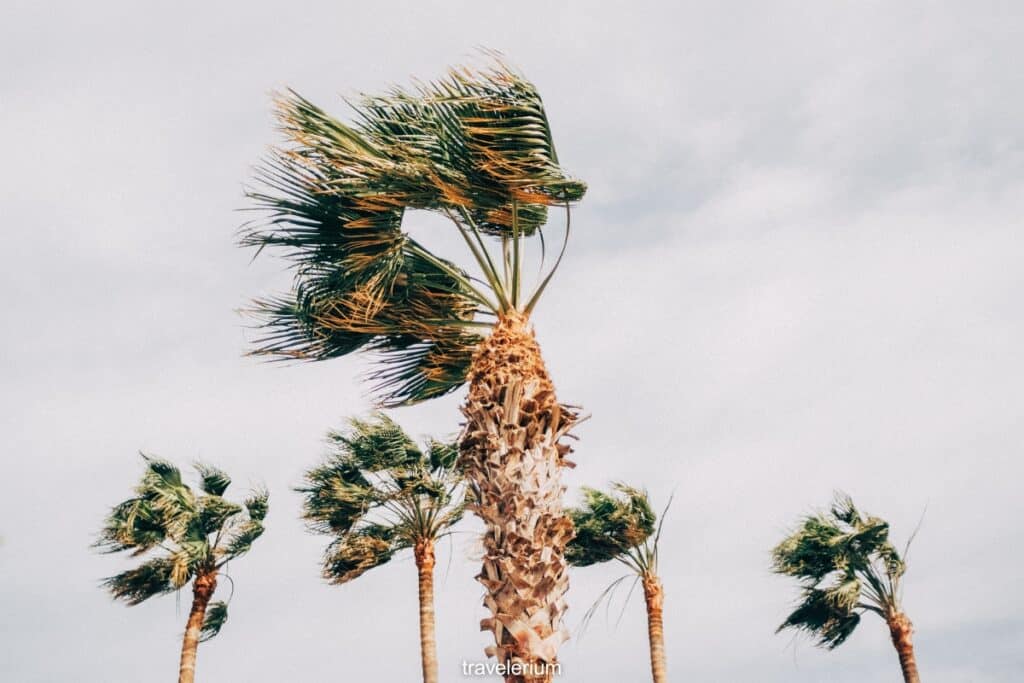
The Canary Islands sit in the path of the northeast trade winds, locally called the alisios. These winds blow most consistently from late spring through summer, cooling the air and making high temperatures feel more bearable. On calm days in July or August, you will appreciate them. On gusty days, they can make beach lounging less relaxing and whip sand across exposed stretches of coast.
Because Lanzarote is low and flat compared to neighbours like Tenerife, the trades cross the island with little resistance. There are no tall mountains to block them.
Understanding Lanzarote Wind By Season
The Lanzarote windy season peaks in July and August, when the trade winds are strongest and most persistent. You may notice steady breezes of 20–30 km/h on many days, with occasional stronger gusts.
Spring (March to May) sees moderate and variable Lanzarote wind. Some days are perfectly still; others bring a noticeable breeze. Autumn (September to November) is generally the calmest period, which is one reason it rates so highly for beach holidays. Winter winds pick up occasionally, sometimes shifting to a southerly or easterly flow that can bring warm, dusty calima air from the Sahara for a day or two.
If you are sensitive to wind, target September, October, or May for the calmest conditions.
Swimming Conditions And Sea Temperatures
The Atlantic around Lanzarote is cooler than many first-time visitors expect. Here is a rough guide:
| Months | Average Sea Temperature |
|---|---|
| January – April | 18–19°C |
| May – June | 19–21°C |
| July – August | 21–22°C |
| September – October | 22–23°C |
| November – December | 20–21°C |
September and October deliver the warmest sea, which is a genuine advantage for swimmers and snorkellers. Lanzarote in winter still allows a quick dip, but 18°C feels brisk without a wetsuit. Many resort pools are heated, so pool swimming is comfortable all year.
Best Time To Visit Lanzarote
Lanzarote Weather By Month
Here is what to expect during each two-month window, with enough detail to help you weigh up your options and pick the right dates.
January And February
Expect daytime temperatures around 20–21°C with clear skies on most days. Evenings cool to 14–15°C. Rain is possible but rarely heavy. January can feel slightly busier around the New Year period, while February is one of the quieter months before carnival season picks up. These are solid months for hiking, sightseeing, and escaping the grey UK winter. Sea temperatures hover at 18–19°C, so most people stick to resort pools.
March And April
Spring arrives gently. Daytime highs creep towards 22–23°C, and the landscape looks its best after any winter rain. Wind is moderate and variable. Easter brings a noticeable spike in visitor numbers and prices, particularly around Puerto del Carmen and Playa Blanca. Outside the Easter fortnight, March and April are quiet and good value. The sea is still cool at 18–19°C, edging towards 20°C by late April.
May And June
Lanzarote in May is a favourite for good reason. Temperatures reach 23–25°C, the trade winds have not yet ramped up to full summer strength, and the island feels relaxed. Prices sit below summer peaks, and flights from UK airports are plentiful. June is warmer (25–27°C) and a touch breezier, marking the start of the busier summer season. Sea temperatures climb to 19–21°C, making beach days increasingly appealing.
July And August
These are the hottest and busiest months. Daytime highs reach 28–29°C, occasionally nudging above 30°C during calima episodes. Lanzarote in July and Lanzarote in August are popular with families during school holidays, so expect higher prices for flights and accommodation. The trade winds blow most consistently now, which keeps temperatures from feeling oppressive but can make some beaches less comfortable. Sea temperature reaches 21–22°C.
September And October
The standout months. Lanzarote in September and Lanzarote in October offer warm days (26–28°C dropping to 24–25°C by late October), the calmest winds of the year, and the warmest sea at 22–23°C. Crowds thin once UK schools return. Prices drop. You get long sunny days without the intense gusts that define July and August. If you want the best combination of swimming, sightseeing, and value, these two months are hard to beat.
November And December
Temperatures ease back to 22–23°C in November and 20–21°C in December. Rain becomes marginally more likely, though dry days still far outnumber wet ones. Early November is quiet and affordable, making it a smart choice for a late-autumn break. December picks up as the Christmas holidays approach, with higher prices and more families arriving. Sea temperatures dip from 21°C in November to around 20°C by late December.
Best Time To Visit Lanzarote
When Each Season Makes The Most Sense
Different traveller types get the most from different windows. Here is how to match your trip style to the calendar, including a few pointers on where to base yourself.
For Beaches, Sunbathing, And Resort Stays
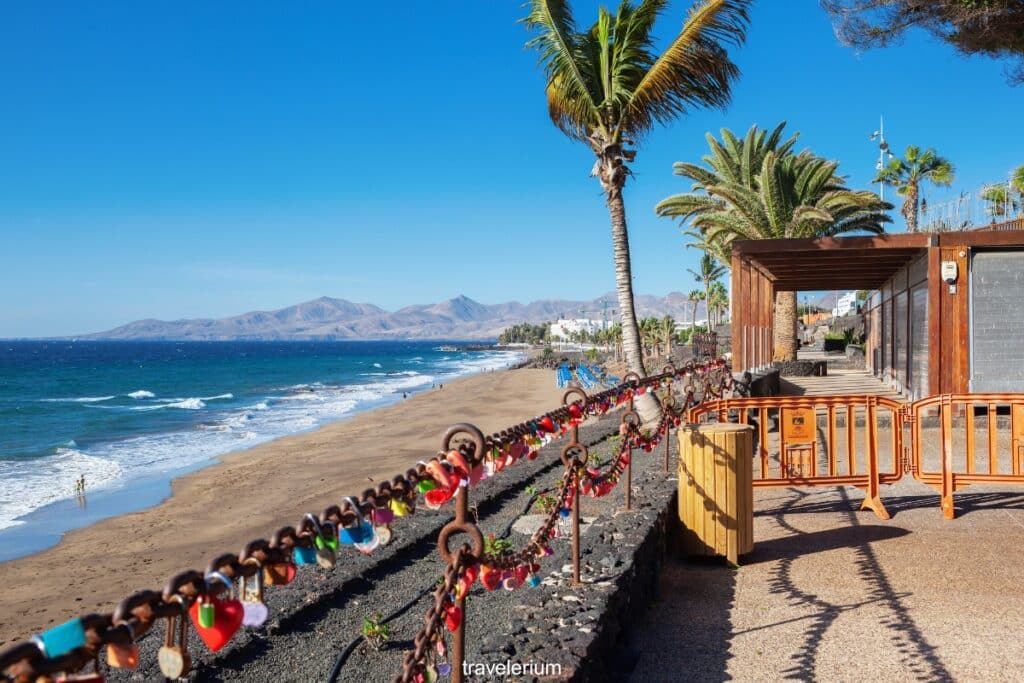
June through October gives you the strongest beach weather. If you want warm sea for swimming, lean towards September or October. For long sunny days with a lively resort atmosphere, July and August deliver, especially if you are staying in Puerto del Carmen or Playa Blanca. Book a spot with a sheltered pool or south-facing terrace to hedge against windy afternoons in high summer.
For Budget Trips And Off-Peak Deals
The cheapest periods are generally late January, February (outside half-term), May, and November. Flight prices from UK airports can be significantly lower than summer peaks, and accommodation rates in popular areas like Puerto del Carmen drop noticeably. You will still get plenty of sunshine, just slightly cooler temperatures and a quieter atmosphere.
For Outdoor Activities And Volcano Views
If your list of things to do in Lanzarote leans towards hiking, cycling, and exploring volcanic landscapes, travel between November and April. Cooler daytime temperatures make physical activity far more comfortable, and the light across the lava fields in the low winter sun is exceptional. The island’s network of trails and the Timanfaya area are all more enjoyable without the summer heat.
For Families During School Holidays
July, August, Easter, and Christmas are the busiest family windows. Prices reflect that demand, so book early. If you have any flexibility with school dates, the last week of June or first week of September can offer a slight edge on both crowds and cost while still delivering warm, sunny conditions. Where to stay in Lanzarote with children often comes down to the sheltered resort beaches around Playa Blanca or the range of family apartments in Puerto del Carmen.
Best Time To Visit Lanzarote
Seasonal Highlights For Nature, Sport, And Day Trips
Lanzarote’s volcanic landscapes, marine life, and offshore islands each have their own best windows. Timing your trip around these can make a real difference to what you experience.
Timanfaya National Park In Cooler Versus Hotter Months
Timanfaya National Park is open year-round, but the experience shifts with the seasons. In July and August, the geothermal demonstrations and bus tour through the lava fields can feel relentless in the heat. Visiting between October and April means more comfortable temperatures for the short walks and viewpoints. Morning visits are best in any season, as the car park fills quickly by midday. The volcanic terrain looks particularly dramatic under the softer, lower light of winter mornings.
Surf, Snorkelling, And Other Water Sports
Surfing conditions are strongest from October through March, when Atlantic swells build and deliver consistent waves to the northwest coast around Famara. Beginners can find surf schools operating year-round.
Snorkelling and diving suit the calmer months. May to October brings better underwater visibility, warmer water, and gentler surface conditions. Kitesurfing and windsurfing peak in July and August, when the trade winds are at their strongest and most reliable.
Whale And Dolphin Watching Windows
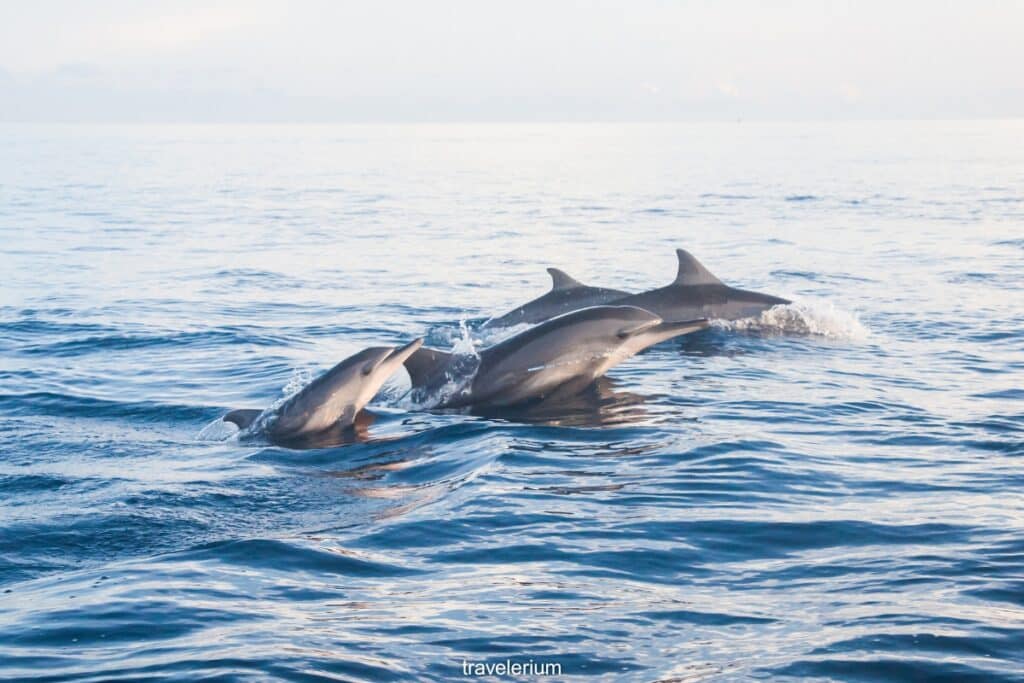
Bottlenose dolphins and short-finned pilot whales are resident around Lanzarote, so boat trips run throughout the year. You have a good chance of sightings in any month. For variety, spring and autumn occasionally bring migrating species through the strait between Lanzarote and Fuerteventura. Calmer seas in September and October also tend to make for smoother, more enjoyable boat trips.
When To Visit La Graciosa
La Graciosa, the small island off Lanzarote’s northern tip, is best visited on a calm, clear day. May, June, September, and October offer the most reliably settled weather for the short ferry crossing and for spending time on its unspoilt beaches. In July and August, the wind can make the boat ride choppy and the beaches less sheltered. Winter visits are possible but cooler, and occasional rough seas can disrupt the ferry schedule.
Best Time To Visit Lanzarote
Festivals, Atmosphere, And Local Events
Local events add texture to a Lanzarote holiday. Timing your trip around a festival can turn a good break into a memorable one.
Carnival And Spring Celebrations
Carnival in Lanzarote is the island’s biggest annual event, typically falling in February or March depending on the calendar. Arrecife hosts the main celebrations, with colourful parades, live music, and street performances running for several days. It is a fantastic spectacle and well worth building a trip around if you enjoy lively local culture.
In late May, Canary Islands Day (30 May) brings smaller local events, traditional food, and cultural displays across the island.
Summer Buzz And August Crowds
Summer brings a livelier resort atmosphere, especially in July and August when European and British families fill the main tourist areas. Expect busier restaurants, evening entertainment in Puerto del Carmen and Costa Teguise, and a generally upbeat holiday vibe. The Saint Genesius International Regatta in July adds a sporting highlight for sailing enthusiasts. If you prefer a quieter pace, this is the season to avoid.
Autumn Events And Wine Season
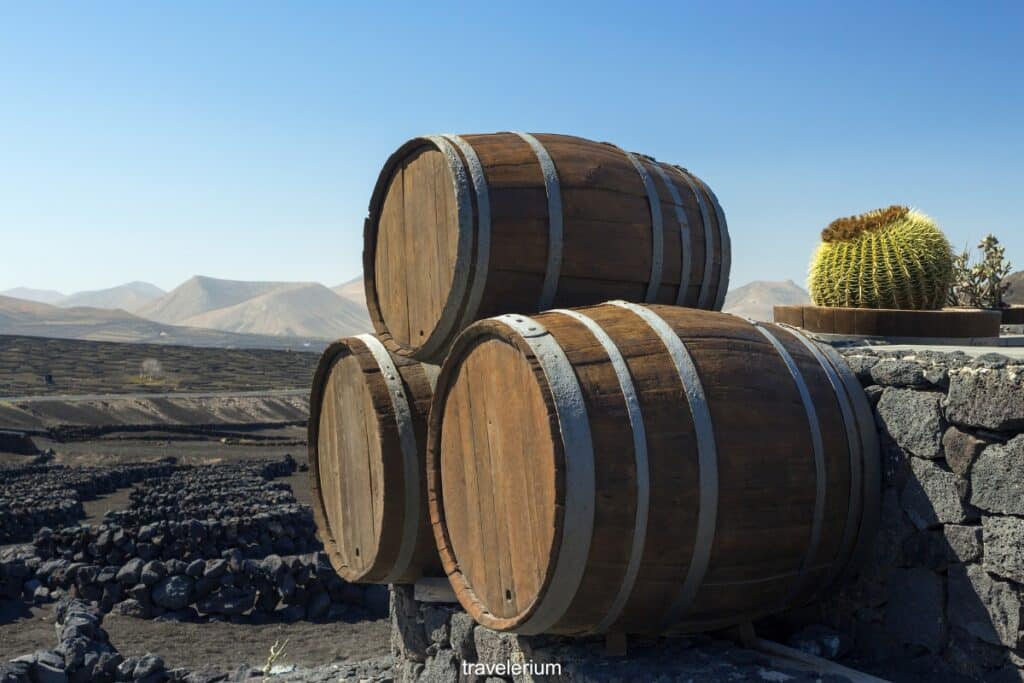
Autumn is when Lanzarote’s wine culture comes into focus. The grape harvest in the volcanic La Geria wine region typically takes place in August and September, with local bodegas offering tastings and occasional open-door events. October brings the Lanzarote Ocean Lava Triathlon and other endurance events, adding energy to the island without the mass-tourism feel of summer. November’s Club La Santa Night Run in Tinajo is a popular community event. The quieter autumn atmosphere also makes it easier to enjoy leisurely meals and local fiestas without the crowds.
Best Time To Visit Lanzarote
Frequently Asked Questions
What months have the best weather in Lanzarote?
Every month brings sunshine, but May, June, September, and October combine warm temperatures, manageable wind, and low rainfall most consistently. These shoulder months avoid the gusty trade winds of July and August while still delivering proper beach weather.
Is February a good time to visit Lanzarote?
Yes. February offers daytime temperatures around 20–21°C, plenty of sunshine, and lower prices outside UK half-term week. It is also when carnival in Lanzarote usually takes place, so you can enjoy local culture alongside a warm-weather escape from the British winter.
How hot is Lanzarote in June?
June daytime highs typically reach 25–27°C, with evenings around 19–20°C. The trade winds start to pick up, which keeps the heat comfortable. It is warm enough for sunbathing but not as hot as July or August.
What is the rainy season in Lanzarote?
The wettest months are November through February, though “rainy season” is a strong term. You might see three or four days of light rain in a whole month. Annual rainfall across much of the island is under 150mm, so prolonged wet weather is extremely unlikely.
What is the weather like in Lanzarote in July?
Lanzarote in July brings daytime temperatures of 28–29°C and strong, persistent trade winds. Sunshine is virtually guaranteed. The wind makes the heat bearable but can be a nuisance on exposed beaches. Sea temperature reaches about 21–22°C.
What is the weather like in Lanzarote in November?
November sees daytime highs of 22–23°C with mild evenings around 17–18°C. Winds are generally light, and rain is infrequent. The sea is still relatively warm at 20–21°C. It is a quiet, good-value month that suits sightseeing, hiking, and relaxed beach days.