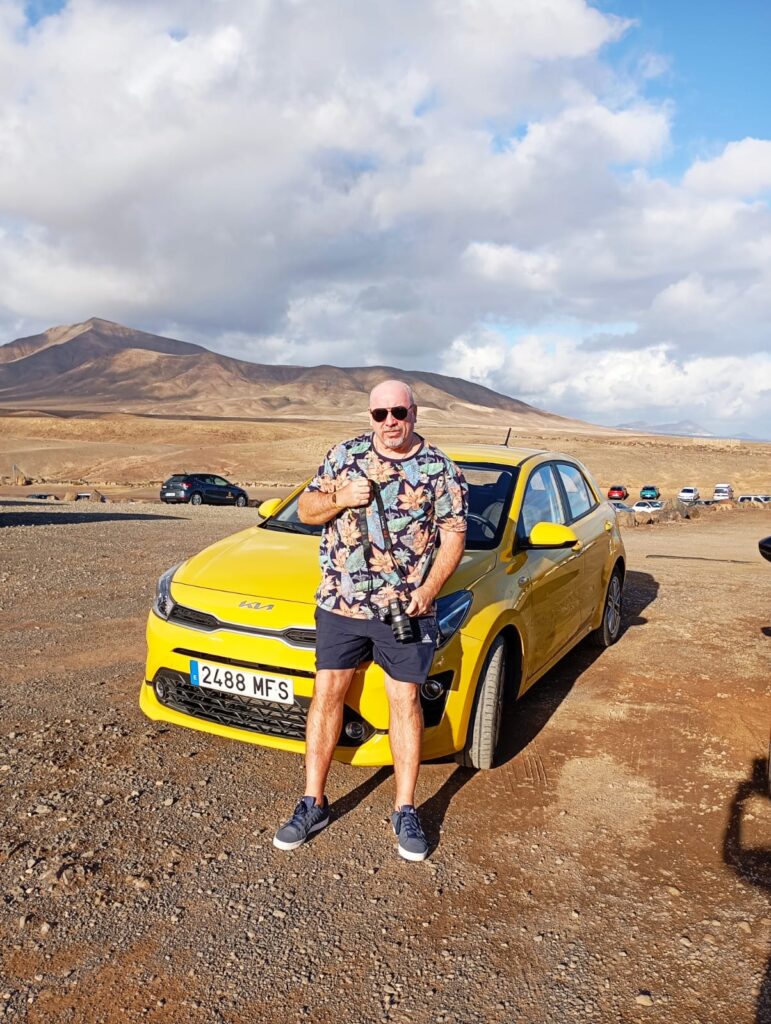
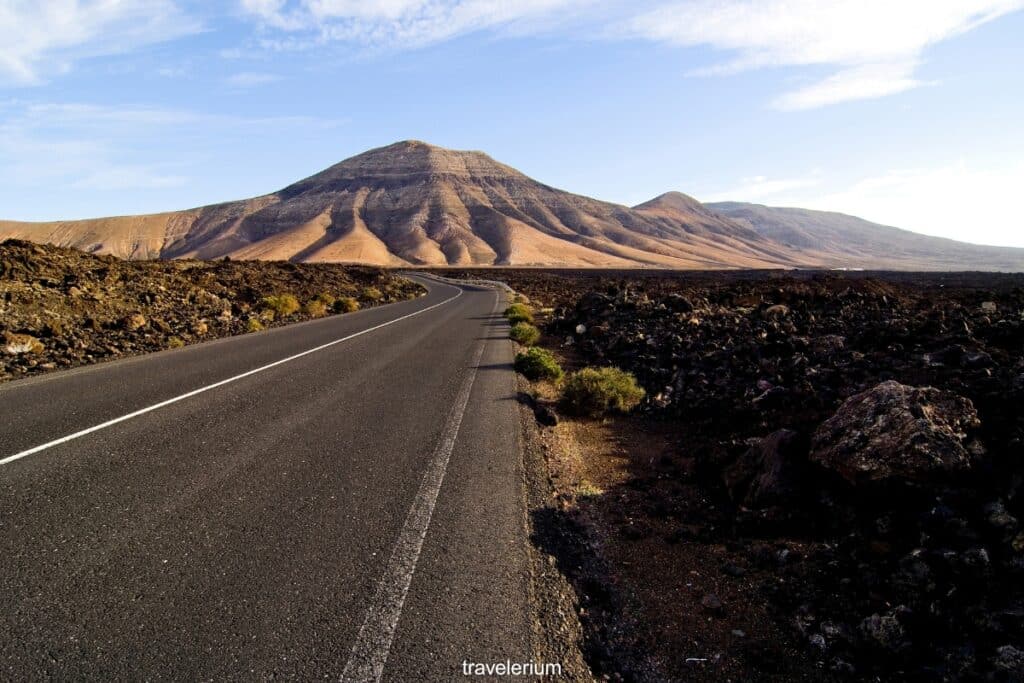
Lanzarote is not the Canary Island you picture first. There are no lush forests or towering peaks here. Instead, you get a stark, wind-sculpted landscape shaped by centuries of volcanic eruptions, where black lava fields meet turquoise Atlantic water and whitewashed villages sit quietly against rust-coloured hills. Lanzarote looks like nowhere else in Spain, and that strangeness is precisely the point.
What makes Lanzarote genuinely different is the way it has been protected: the entire island is a UNESCO Biosphere Reserve, and strict building regulations inspired by the artist César Manrique mean there are no high-rise hotels, no garish billboards, and a real sense of care for the landscape. You can be on a sun lounger at a resort beach in the morning and standing on the rim of a volcanic crater by lunchtime. That contrast is what pulls people back to Lanzarote time after time.
This Lanzarote travel guide covers every practical decision you need to make, from choosing a resort and timing your trip, to finding the right beaches, navigating the volcanic scenery, and eating your way through Canarian cuisine. Whether you are visiting for the first time or returning to explore beyond the pool, the aim is simple: help you plan a better, more rewarding trip across Lanzarote, an extraordinary island.
Check Prices and Availability of Hotels in Lanzarote
Table of Contents
Plan The Basics Before You Book
A few decisions made before you fly will shape your entire trip. Knowing why Lanzarote feels different from its neighbours, what the weather actually does month by month, and how long you need to see the best of Lanzarote gives you a real head start.
Why Lanzarote Stands Out In The Canary Islands
Lanzarote is the most volcanically dramatic island in the Canary Islands, and the most architecturally disciplined. Its UNESCO Biosphere Reserve status is not just a label. It means strict planning rules protect the landscape from the overdevelopment you see elsewhere in Spain.
César Manrique, Lanzarote’s most famous son, is the reason those rules exist. He campaigned against high-rise hotels and worked to blend art into the natural environment. The result is an island where tourist infrastructure feels measured and respectful, where volcanic scenery is the main attraction rather than a backdrop.
Compared to Tenerife or Gran Canaria, Lanzarote is quieter, drier and more compact. You can drive from coast to coast in under an hour. That makes it easy to combine a beach holiday with genuine exploration.
Quick Facts For First-Time Visitors
- Location: Lanzarote is the most easterly of the Canary Islands, roughly 125 km off the coast of Africa
- Capital: Arrecife
- Language: Spanish (English and German widely spoken in resorts)
- Currency: Euro
- Flight time from the UK: Around 4 hours
- Island size: Roughly 60 km long and 25 km wide
- Status: UNESCO Biosphere Reserve since 1993
- Driving: Right-hand side, as with mainland Spain
Best Time To Visit Lanzarote For Weather, Prices And Crowds
Lanzarote earns its nickname “Island of Eternal Spring” honestly. Temperatures sit between 17°C and 24°C in winter, rising to 25°C to 30°C in summer. Rain is rare, and you can expect sunshine in every month.
For the best balance of warm weather and lower prices, aim for April to June or September to October. Skies are clear, resort prices drop compared to peak summer, and attractions are less crowded.
July and August bring the highest temperatures and the biggest crowds, particularly families during school holidays. December to February is popular with northern Europeans escaping winter. Expect mild, comfortable days but cooler evenings and occasional wind, especially in the north.
In short though, there is no best time to visit Lanzarote, there are benefits to visiting the island all year round, invariably the best time will depend upon what your specific priorities are.
How Many Days You Need
You can see the headline sights in three to four days if you hire a car and plan efficiently. A full week lets you explore at a relaxed pace, fitting in beaches, Timanfaya, César Manrique’s landmarks, a day trip to La Graciosa and some wine tasting in La Geria.
If you have ten days or more, you can slow down properly. Spend mornings on quieter beaches, cycle through volcanic terrain, eat at village restaurants, and still have time for a ferry to Fuerteventura. For most first-time visitors, seven nights hits the sweet spot.
Choose Where To Stay
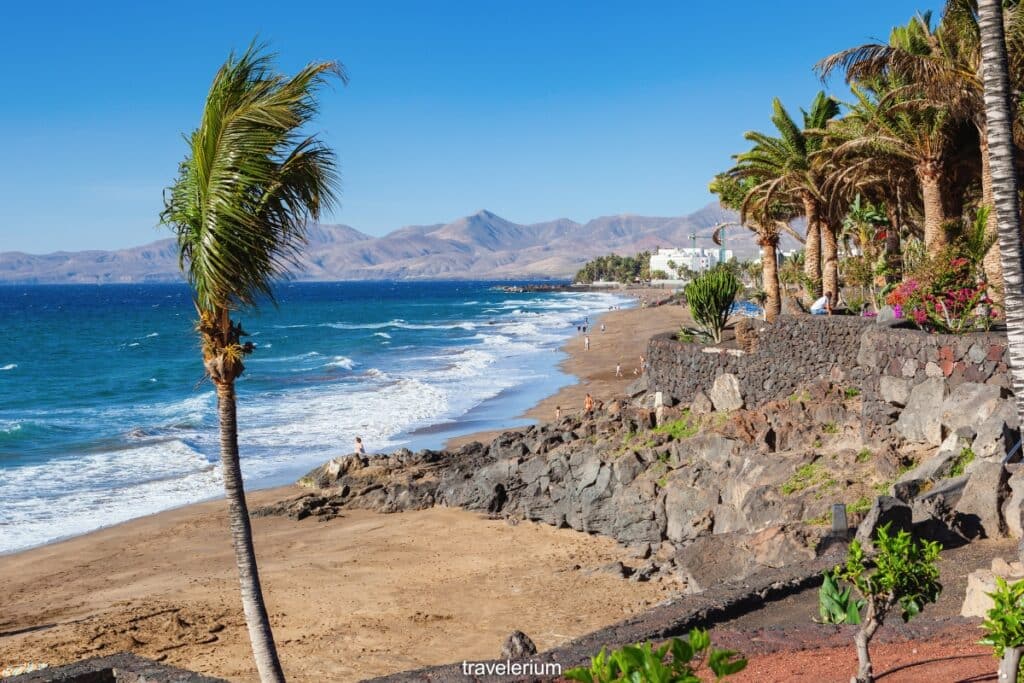
Your resort choice matters more on Lanzarote than on larger islands, because each base has a distinct character. Puerto del Carmen is the busiest and most central, Playa Blanca is quieter and more family-focused, and Costa Teguise suits windsport fans. Smaller options like Arrecife and Puerto Calero reward travellers looking for something less conventional.
Puerto del Carmen For Convenience And Nightlife
Puerto del Carmen is the island’s largest resort and sits just ten minutes from the airport in the municipality of Tías. The main strip runs along Avenida de las Playas, lined with restaurants, bars and shops. Playa Grande is a wide, sheltered beach right in the centre.
This is where you will find the widest range of hotels in Lanzarote, from budget apartments to four-star all-inclusive complexes. Nightlife is the liveliest here, though it is more relaxed pub-and-cocktail-bar than full-on club scene.
The trade-off is that parts of the strip feel touristy, and it can be hard to escape the “resort bubble” without a car. For a first visit where you want everything on your doorstep, it is hard to beat.
Check Prices and Availability of Hotels in Puerto del Carmen
Playa Blanca For Families And Beach Time
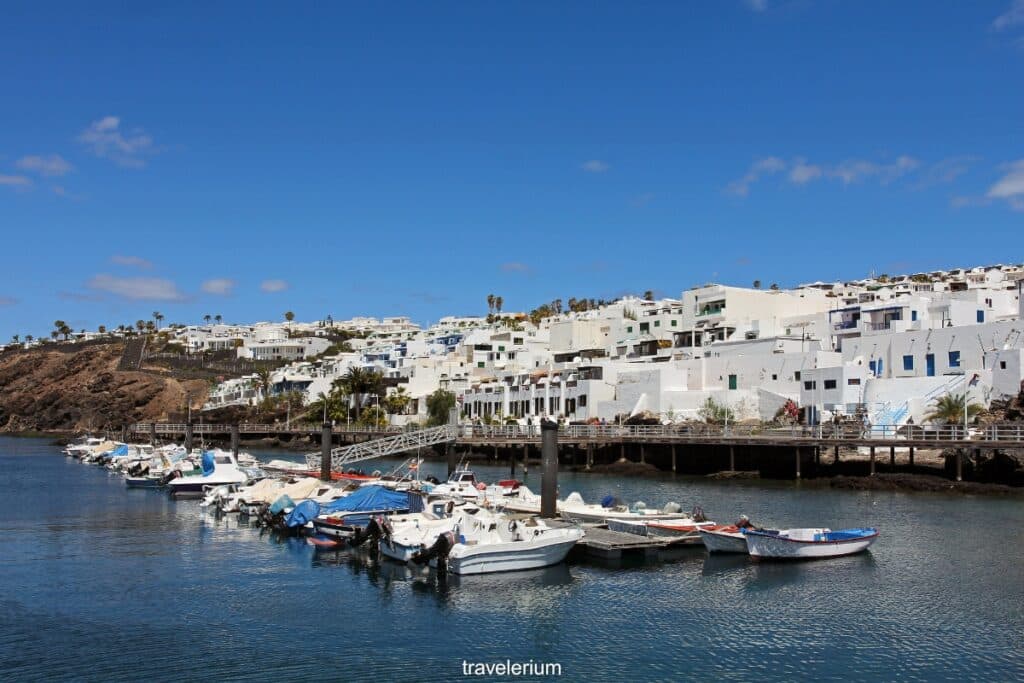
Playa Blanca sits on the southern tip of the island and offers a calmer atmosphere. The seafront promenade is pleasant for evening walks, and the resort has good restaurants without the volume of Puerto del Carmen.
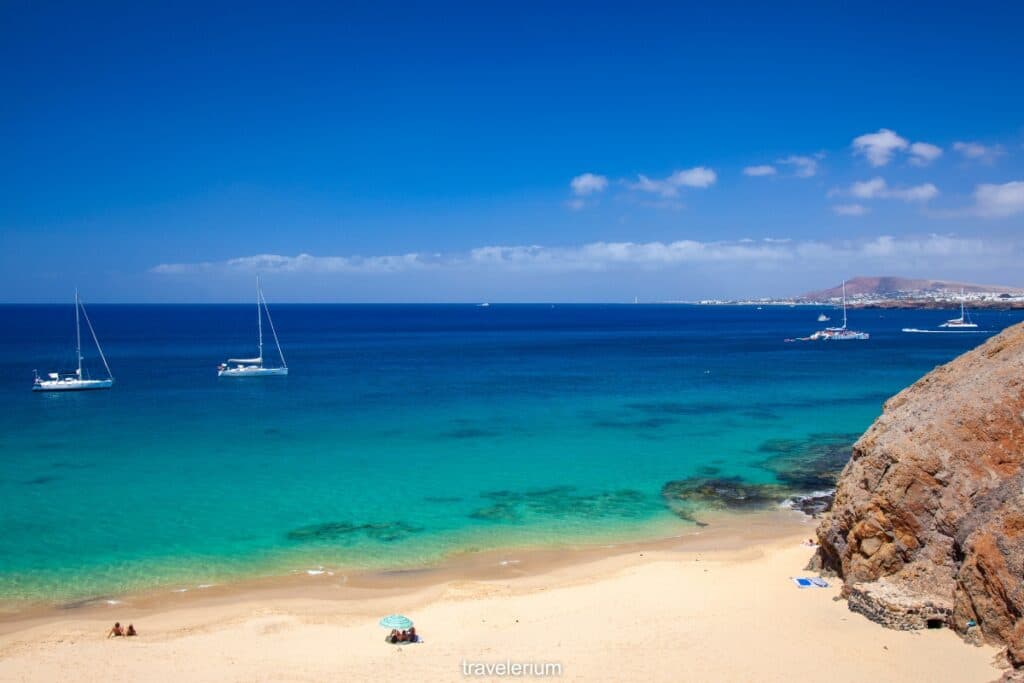
The real draw is proximity to the Papagayo beaches, a cluster of sheltered golden-sand coves just east of town. These are some of the finest beaches on the island, and you can reach them on foot, by car or by water taxi.
Playa Blanca suits families, couples and anyone who prefers a quieter base with easy access to the south coast.
Check Prices and Availability of Hotels in Playa Blanca
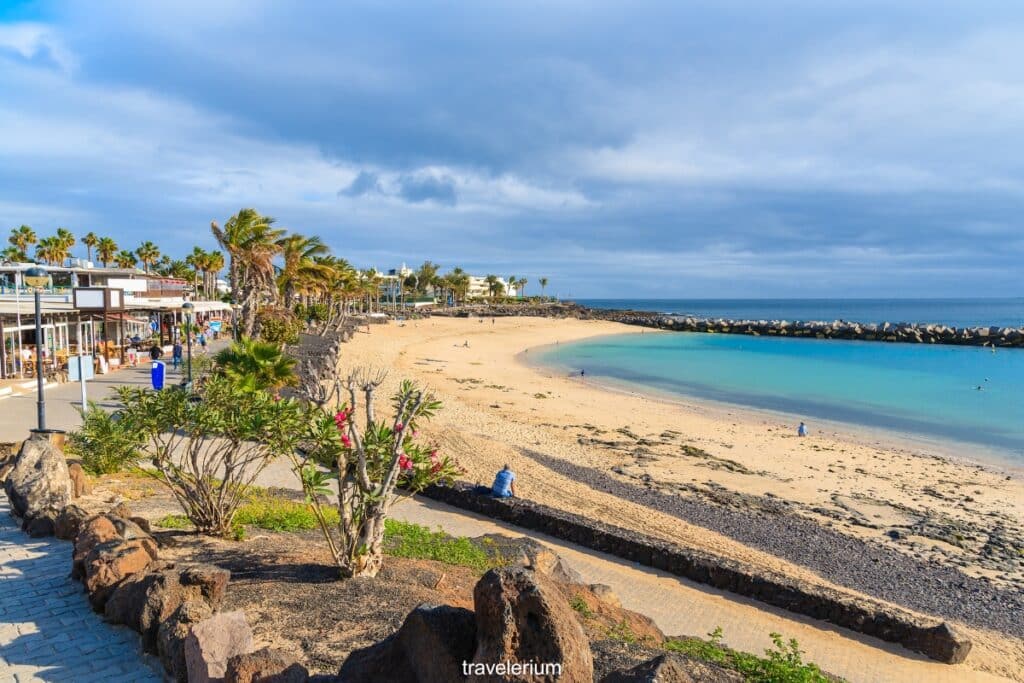
Costa Teguise For Windsports And Easy Access
Costa Teguise sits on the east coast, north of Arrecife. It is a purpose-built resort with a more open, breezy feel. The trade winds that blow through here make it one of the best spots in the Canary Islands for windsurfing and kitesurfing.
Playa de las Cucharas is the main beach and the hub for watersports hire and lessons. The resort also has a good golf course and is well placed for day trips to the north of the island.
It is slightly quieter than Puerto del Carmen in the evenings, which suits families and active travellers who plan to be out exploring during the day.
Check Prices and Availability of Hotels in Costa Teguise
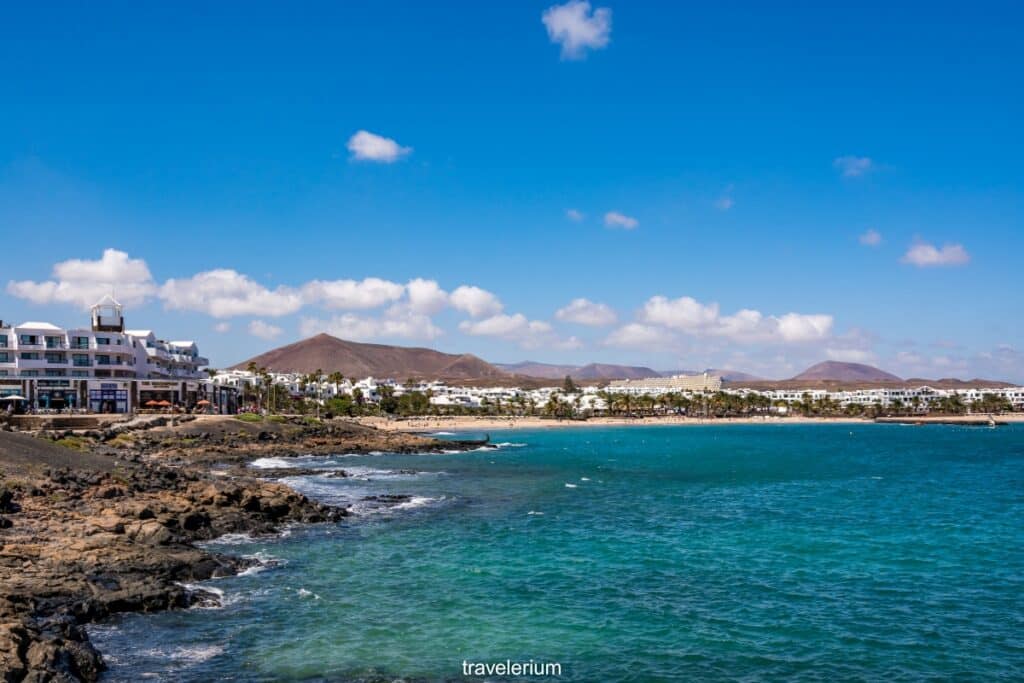
Arrecife and Puerto Calero For A Different Base
Arrecife is the island’s working capital, not a resort. Staying here puts you among local life: the harbourside area around Charco de San Ginés is genuinely attractive, and you will find good, affordable restaurants away from tourist pricing.
Puerto Calero, a small marina village between Puerto del Carmen and Playa Blanca, appeals to couples and anyone who wants a polished, quiet setting. It has a handful of upmarket restaurants and a marina lined with boats. There is no beach to speak of, so you will need a car.
Both options suit repeat visitors or travellers who want a base with more local character.
Check Prices and Availability of Hotels in Puerto Calero
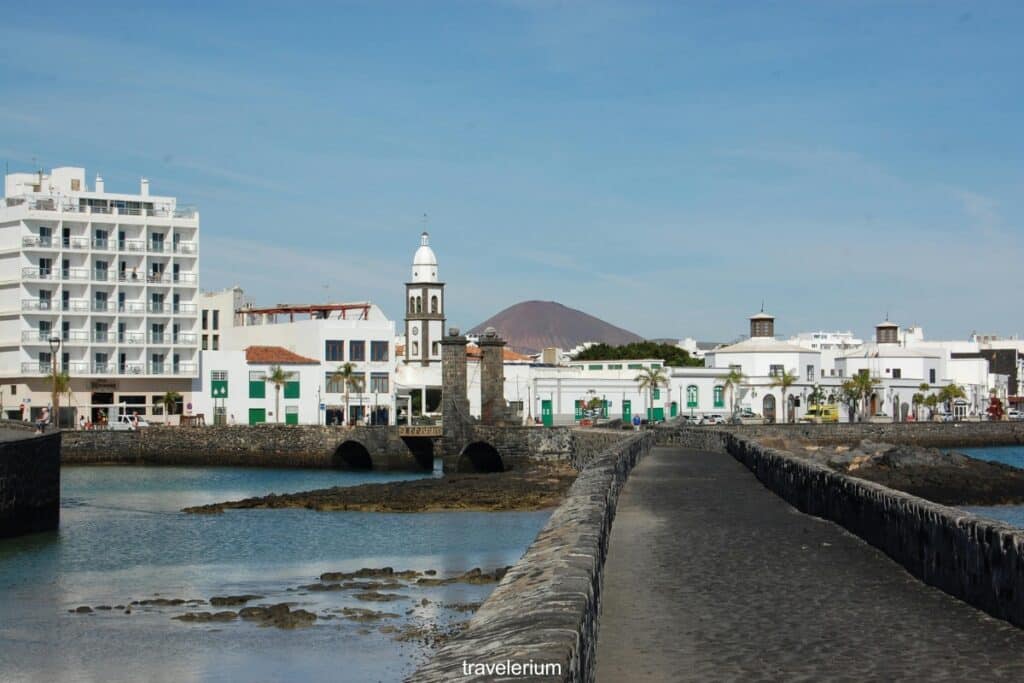
Hotels, Apartments, Villas And Rural Stays
Lanzarote’s accommodation ranges from large resort hotels to self-catering apartments, private villas and converted rural farmhouses (known as casas rurales).
- Hotels are concentrated in Puerto del Carmen, Playa Blanca and Costa Teguise. Standards are generally solid, and many include pools and half-board options.
- Apartments offer flexibility and tend to be better value for families or longer stays.
- Villas are scattered across the island, often in quieter inland areas or near smaller villages. They work well for groups.
- Rural stays in villages like Haría or Yaiza give you a more authentic feel, though you will need a car for everything.
Book early for peak periods, especially school holidays and Christmas. Prices drop noticeably in shoulder months, check out our guide “Where To Stay In Lanzarote” for more in-depth information.
Find Accommodation in the Most Suitable Resort
See The Island’s Signature Sights
Lanzarote’s attractions split neatly into three categories: volcanic landscapes, César Manrique’s art-and-nature creations, and the island’s whitewashed villages and weekly markets. Prioritising a few from each category gives you a well-rounded picture of the island without rushing.
Timanfaya And The Fire Mountains
Timanfaya National Park is the island’s most iconic sight. The eruptions of the 1730s buried a quarter of Lanzarote under lava, and the landscape here still looks freshly formed: red, ochre and black hills with barely a plant in sight.
You enter the park by car or coach and take a guided bus route through the volcanic terrain. At the Islote de Hilario visitor centre, staff demonstrate the geothermal heat just below the surface by pouring water into a borehole and watching it erupt as steam.
Outside the national park boundary, you can hike Caldera Blanca, a rewarding circular walk to the rim of a large volcanic crater. This is free to access and gives you the up-close volcanic experience that the bus tour cannot.
Book Your Timanfaya Experience Today
César Manrique Landmarks Worth Prioritising
César Manrique’s fingerprints are all over Lanzarote, but a handful of sites stand out.
- Jameos del Agua is a volcanic cave transformed into a concert hall, restaurant and pool. The underground lake is home to tiny blind albino crabs found nowhere else.
- Fundación César Manrique is the artist’s former home, built into five volcanic bubbles. It is the best single introduction to his vision.
- Jardín de Cactus is a beautifully designed cactus garden set inside an old quarry near Guatiza.
- Mirador del Río, perched on the northern cliffs, offers sweeping views across to La Graciosa.
If time is short, the Fundación and Jameos del Agua are the two to prioritise.
Experience All Lanzarotes César Manrique Landmarks
Lava Tubes, Caves And Coastal Viewpoints
Cueva de los Verdes is one of the longest volcanic tunnels in the world. Guided tours take you through dramatically lit passages deep inside a lava tube. The surprise at the end of the tour is worth keeping unspoilt.
The lava tunnels that connect Cueva de los Verdes and Jameos del Agua are part of the same six-kilometre tube system created by the eruption of Volcán de la Corona. Visiting both gives you a full picture of how Manrique reimagined these volcanic caves for public enjoyment.
Along the northern coastline, viewpoints are plentiful. Mirador del Río gets the most visitors, but quieter spots near Haría and the Famara cliffs offer equally dramatic panoramas without the entrance fee.
Discover the Amazing Cueva de los Verdes & Jameos del Agua on Guided Tours
Villages, Markets And Cultural Stops
Lanzarote’s villages are small, white and often strikingly photogenic.
Teguise, the old capital, hosts a large Sunday market that draws visitors from across the island. It is busy but worth going early for local crafts, food stalls and people-watching. The town itself, away from market day, is one of the prettiest on the island.
Yaiza is frequently cited as one of Spain’s most beautiful villages. It sits on the edge of the Timanfaya lava fields and has a handful of excellent restaurants.
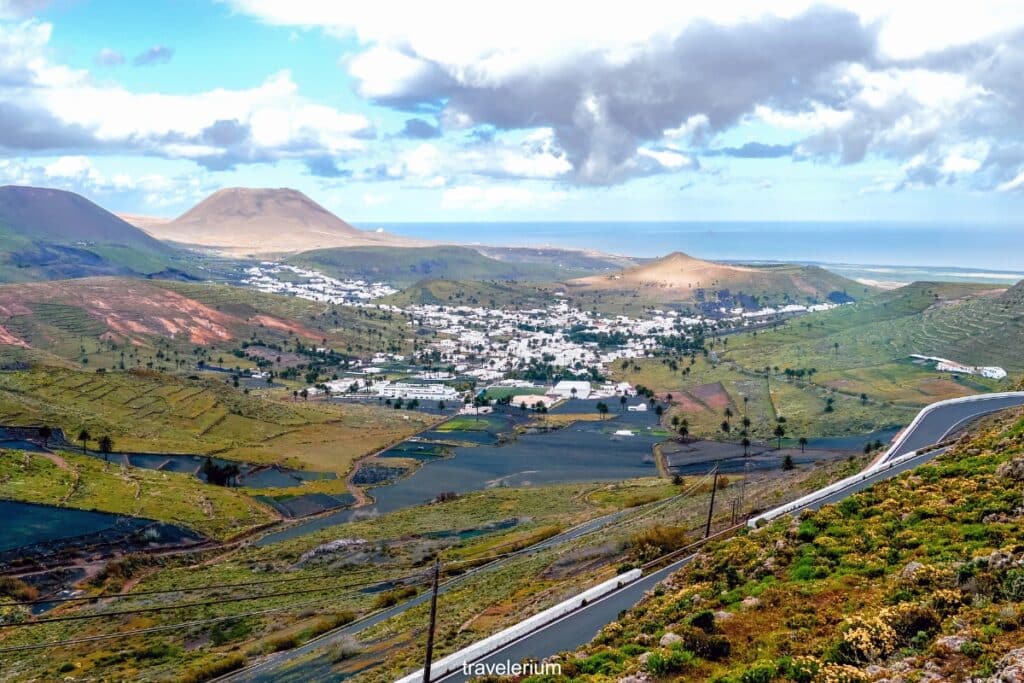
Haría, in the northern valley, is quieter and greener, surrounded by palm trees. The César Manrique House Museum here was the artist’s final home.
Other worthwhile stops include Tinajo for its agricultural character, LagOmar (a unique house-museum built into volcanic rock near Nazaret), and the harbourside of Charco de San Ginés in Arrecife for an evening stroll.
Check out our guide to the culture of Lanzarote
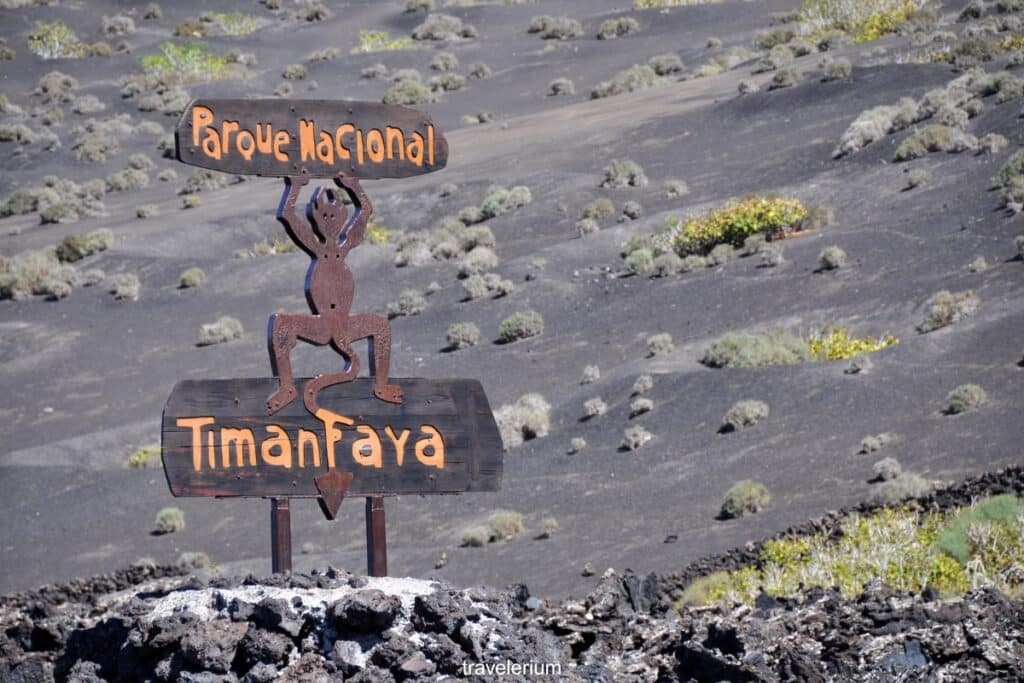
Find The Best Beaches And Outdoor Experiences
Lanzarote’s 200 kilometres of coastline deliver everything from sheltered golden coves to wild, wave-battered surf beaches. Beyond the sand, the volcanic terrain creates superb conditions for hiking, cycling and diving. Knowing which beaches suit your plans saves you time and avoids disappointment.
Best Beaches For Swimming, Sunbathing And Scenery
Papagayo beaches are the headline act. This cluster of south-facing coves near Playa Blanca offers golden sand, clear water and natural shelter from the wind. Playa Papagayo is the most popular, but the neighbouring coves are equally appealing and often quieter. Access is via a REALLY bumpy dirt road (a small vehicle fee is payable but wasn’t enforced when I visited in January 2026, so I’m guessing it may be seasonal).
Famara Beach on the northwest coast is dramatic rather than comfortable. Backed by towering cliffs, it stretches for several kilometres and is one of the most photogenic spots on the island. The water here is rough, so it is better for walking and surfing than swimming.
Playa Grande in Puerto del Carmen is the most convenient resort beach: wide, well-serviced and sheltered.
For something wilder, Charcones near Playa Blanca is a series of natural rock pools reached by a short coastal walk. The volcanic scenery here is raw and beautiful, though the access path is uneven.
Read our guide to the best beaches in Lanzarote for a full and complete picture of what Lanzarote has to offer when it comes to beaches.
Surfing, Diving, Snorkelling And Other Watersports
Famara is the main surf beach, with consistent Atlantic swells and several surf schools offering lessons for all levels. Conditions suit beginners and intermediates most of the year.
Costa Teguise is the go-to for windsurfing and kitesurfing, particularly at Playa de las Cucharas where the trade winds are reliable from spring through autumn.
Diving is excellent around Lanzarote, with clear visibility and varied sites including lava arches, underwater caves and the Museo Atlántico, an underwater sculpture park off Playa Blanca. Snorkelling is rewarding at Playa Chica in Puerto del Carmen and around the Papagayo coves.
Try Surfing, Diving, Snorkelling And Other Watersports on Your Holiday
Walking, Cycling And Volcano Routes
The volcanic terrain makes Lanzarote an unexpectedly good island for walking and cycling.
- Caldera Blanca is the most popular hike: a circular route through lava fields to the rim of a large crater, taking around two to three hours.
- The coastal path between Playa Blanca and the Papagayo beaches is an easy, scenic walk.
- The Famara cliffs offer more challenging trails with big views.
Cycling is popular on the quieter inland roads, and several companies offer guided rides through the wine country of La Geria and the volcanic interior. E-bike hire is widely available.
Wear sturdy shoes on any volcanic path. The rock is sharp and uneven, and flip-flops will not do.
Book a Cycling or Walking Adventure
Day Trips To Nearby Islands And Coastlines
La Graciosa, the small island visible from Mirador del Río, is reached by a 25-minute ferry from Órzola on Lanzarote’s northern tip. It has no paved roads, a handful of restaurants, and some of the clearest water in the archipelago. You can explore by foot, bicycle or water taxi. A full day is ideal.
Fuerteventura is accessible by ferry from Playa Blanca to Corralejo in around 25 minutes. Corralejo’s sand dunes and long beaches make it a worthwhile day trip, though you could easily spend longer.
Both trips are easy to organise independently, though booking ferry tickets in advance during peak season is sensible.
Check out our guide about things to do in Lanzarote for a complete picture of everything you can do on this great Canary Island.
Book your Trip to La Graciosa or Fuerteventura Today
Eat, Drink And Experience Local Character
Lanzarote’s food and wine scene is more interesting than many visitors expect. Canarian cuisine is straightforward and flavour-driven, the volcanic wine region of La Geria is unlike any vineyard you have seen, and César Manrique’s influence shapes not just the sights but the entire feel of the island.
What To Try From Canarian Cuisine
Start with papas arrugadas: small, wrinkled potatoes boiled in heavily salted water and served with mojo rojo (spicy red pepper sauce) and mojo verde (coriander or parsley-based). You will find them on almost every menu.
Local goat’s cheese is excellent, often served grilled or as part of a starter. Fresh fish is a staple, with vieja (parrotfish) and cherne (wreckfish) among the most traditional choices.
For something sweet, try bienmesabe, an almond-based dessert, or frangollo, a cornmeal pudding. Portions tend to be generous, and prices in village restaurants are noticeably lower than in resort centres.
Wine Tasting In La Geria
La Geria wine region is extraordinary to look at. Vines are planted individually in shallow pits dug into volcanic ash, each protected by a low semicircular stone wall called a zocos. The black landscape dotted with green vines is one of the island’s most striking images.
The region produces mainly Malvasía, a crisp, aromatic white wine that pairs perfectly with local seafood. Several bodegas offer tastings, and most are informal and affordable. Some of the more established estates also serve food.
Visiting during the September or October harvest adds another layer, as some wineries invite visitors to participate. Even outside harvest time, a drive through La Geria is one of the most memorable things you can do on the island.
Best Areas For Dining Out
Yaiza has several excellent restaurants and a calm village atmosphere for evening dining. Teguise is good on non-market days when the town returns to its quiet self. In Puerto del Carmen, the old town harbour area offers better food than the main strip.
El Golfo, a small fishing village on the west coast near the vivid green lagoon of Charco de los Clicos, is the best spot for fresh seafood in a dramatic setting. Restaurants line the waterfront, and the fish is as fresh as it gets.
For a local experience away from resorts, seek out the smaller restaurants in Haría, Arrieta and Tinajo.
César Manrique’s Lasting Influence On Lanzarote
César Manrique did more than build attractions. He shaped the island’s identity. His successful campaign against high-rise development in the 1960s and 1970s is the reason Lanzarote looks so different from other tourist islands.
His philosophy was simple: work with the landscape, not against it. Every major site he created, from Jameos del Agua to the Jardín de Cactus, blends architecture into volcanic rock and natural forms. Buildings across the island still follow the whitewashed, low-rise style he championed.
That influence is visible in the lack of billboards, the consistency of village architecture, and the general sense that tourism here has been managed with care. It is not perfect, and some resort areas push at the boundaries, but the Manrique effect remains Lanzarote’s greatest asset.
Discover more by reading our guide about Lanzarote’s History and Culture.
Get Around Smoothly And Travel Well
Getting to Lanzarote is simple from the UK and most of Europe, and moving around the island is straightforward once you understand your options. A hire car gives you the most freedom, but buses and taxis cover the main routes if you prefer not to drive.
Flights, Ferries And Airport Arrivals
Direct flights from the UK take around four hours and land at César Manrique-Lanzarote Airport in Arrecife. Most major UK airlines and budget carriers operate year-round routes, with extra frequency in winter and summer peaks.
From the airport, Puerto del Carmen is about ten minutes by car, Costa Teguise around 15 minutes, and Playa Blanca roughly 30 minutes. Pre-booked transfers, taxis and the airport bus all connect to the main resorts.
Ferries link Lanzarote to Fuerteventura (Playa Blanca to Corralejo, around 25 minutes) and La Graciosa (Órzola to Caleta de Sebo, around 25 minutes). Inter-island ferries to other Canary Islands also run from Arrecife.
Car Hire, Guagua And Taxis
Hiring a car is the best way to see Lanzarote properly. The island is small, roads are good, and parking is generally easy outside Arrecife. Several international and local hire companies operate from the airport. Book ahead in peak season to secure better rates.
The local bus service, known as guagua, runs regular routes between the main resorts, Arrecife and popular destinations like Arrieta, Teguise and Playa Blanca. Services are affordable and reliable on main routes, but frequencies drop in the evenings and to rural areas.
Taxis are metered and reasonably priced for short trips. Agree on a fare in advance for longer journeys or full-day tours.
Practical Tips For Money, Safety And Sun
- Currency: Euro. Cards are widely accepted, though carry some cash for smaller businesses and market stalls.
- Sun protection: The UV index is high year-round, and the trade winds can mask how strong the sun is. Wear SPF 30+ even on cloudy days.
- Water: Tap water is safe but heavily desalinated and tastes poor. Most people buy bottled.
- Safety: Lanzarote is a very safe destination. Petty theft can occur in busy resort areas, so take normal precautions with valuables.
- Language: Spanish is the official language, but English is widely spoken in tourist areas. A few words of Spanish go a long way in villages.
Travel Advice For Families, Couples And Active Travellers
Families do well in Playa Blanca or Costa Teguise, where beaches are sheltered and resort facilities cater to children. Timanfaya, the cactus garden and the Papagayo beaches are all family-friendly outings.
Couples looking for something more atmospheric should consider staying in a rural house near Yaiza or Haría, combining beach days with wine tasting, village dining and quieter corners of the coast.
Active travellers will find plenty to fill a week: surfing at Famara, diving off the south coast, hiking Caldera Blanca, cycling through La Geria, and kayaking around the Papagayo cliffs. Lanzarote’s compact size means you can combine activities without long drives.
For more travel tips and advice for Lanzarote check out our guide: “Lanzarote Travel Tips“
Frequently Asked Questions
How many days are enough to explore the island properly?
Seven days is the sweet spot for most visitors. This gives you time to see Timanfaya, visit César Manrique’s key landmarks, explore the best beaches and fit in a day trip to La Graciosa without feeling rushed. If you only have three to four days, hire a car and prioritise the south and the volcanic interior.
What is the best month to visit for the weather and fewer crowds?
May, June, September and October offer the best combination of warm, sunny weather and lower visitor numbers. You avoid the school holiday rush of July and August, and prices for flights and accommodation tend to be noticeably cheaper.
What should I be careful of when travelling around the island?
The main things to watch are sun exposure (the wind disguises how strong the UV is), rough sea conditions on the north and west coasts, and sharp volcanic rock if you are walking off marked paths. Wear proper footwear on any hike, and always check sea conditions before swimming at unsheltered beaches.
Why has the island appeared on some ‘no go’ lists?
Occasional volcanic activity alerts in the wider Canary Islands have led to misleading headlines. Lanzarote’s last major eruption was in 1824, and the island is closely monitored. It is a safe and well-managed destination with no current volcanic risk to visitors.
Is it a tacky destination, or are there quieter, more authentic areas?
Parts of the main resort strips can feel commercialised, but step beyond them and Lanzarote is remarkably unspoilt. Villages like Yaiza, Haría and Teguise have genuine character, and the building regulations inspired by César Manrique mean there are no high-rise eyesores. The island rewards anyone willing to explore beyond their hotel.
What is the best itinerary for a first-time visit?
Spend your first day settling in and exploring your resort. Dedicate a full day to Timanfaya and La Geria wine tasting. Give another day to the north: Jameos del Agua, Cueva de los Verdes and Mirador del Río. Set aside a day for the Papagayo beaches and a day for La Graciosa. Fill remaining days with the Fundación César Manrique, Teguise market (Sundays), and any watersports or coastal walks that appeal.