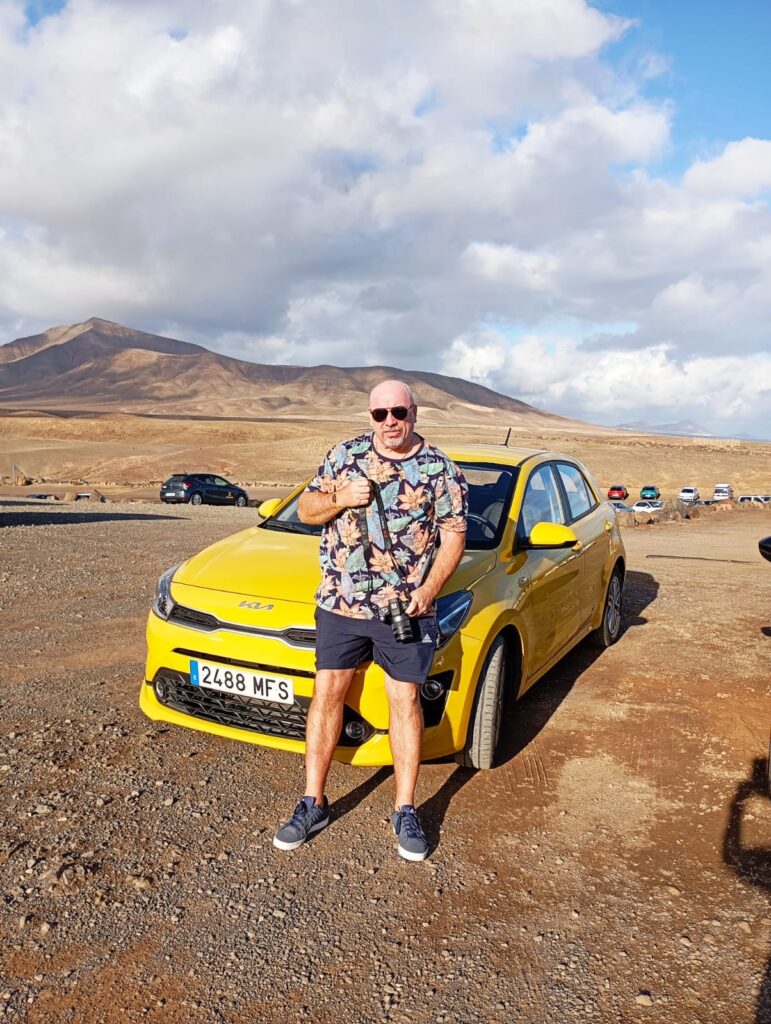
January is one of those months that quietly rewards the travellers who discover it. While most of Europe shivers through its greyest weeks, Lanzarote sits bathed in mild sunshine, its volcanic landscape glowing rust and ochre under a low winter sun. The island is calm, affordable, and genuinely beautiful in a way that the summer crowds never quite get to appreciate.
If you are weighing up a winter escape and wondering whether January is too early, too cold, or too quiet, this guide answers all of that honestly. The short version: January in Lanzarote is better than most people expect, and for certain types of traveller, it is one of the best months of the entire year.
For a full overview of the island before you plan your January trip, our Lanzarote travel guide covers everything from choosing a resort to getting around.
Check Prices & Availability of Lanzarote Hotels
Table of Contents
What Is The Weather Like In Lanzarote In January?
Lanzarote’s January weather is the main reason people book. While it cannot compete with August for heat, it offers something more subtle: reliable sunshine, comfortable daytime warmth, and almost no rain.
Temperature
Daytime highs in January typically sit around 19°C to 21°C. That is warm enough for a t-shirt during the middle of the day, though you will want a light jacket or jumper for evenings, which can drop to 14°C to 15°C. It feels genuinely warm compared to the UK at the same time of year, where temperatures may barely creep above 7°C.
Sunshine Hours
January averages around six to seven hours of sunshine per day. Days are shorter than in summer — the sun rises around 8am and sets by 6:30pm — but the quality of that winter light is remarkable. The low angle of the sun across the lava fields creates a dramatic, almost cinematic quality that photographers and hikers particularly appreciate.
Rainfall
Rain in January is possible but rarely disruptive. The island sees only a handful of rainy days per month even in its wettest season, and total annual rainfall across much of Lanzarote sits below 150mm. A light shower may pass through, but long grey days are extremely uncommon. Pack a thin waterproof layer just in case, but do not let the possibility of rain shape your plans.
Sea Temperature
The Atlantic around Lanzarote cools to around 18°C to 19°C in January. That is brisk for open-water swimming without a wetsuit, and most visitors stick to heated resort pools during this time of year. If you are a keen open-water swimmer or surf enthusiast, a shortie wetsuit makes a noticeable difference.
Wind
January wind is variable. Some days are perfectly still and almost Mediterranean in feel. Others bring a noticeable breeze, occasionally shifting to a warm, dusty southerly or easterly flow from the Sahara — a phenomenon known as the calima. These calima episodes are short-lived but can raise temperatures noticeably for a day or two, which is either a pleasant surprise or a slightly gritty one depending on your outlook.
Crowds And Prices In January
January is one of the quietest months on the island, and that brings real advantages. After the Christmas and New Year period clears — typically by the second week of January — the resorts empty out noticeably. Restaurants are easier to book, beaches are less busy, and the main attractions feel spacious rather than hectic.
Flight prices from UK airports are among the lowest of the year in January, particularly mid-week departures. Hotel and apartment rates follow suit, with some four-star properties offering rates that would be unthinkable in August. If budget matters, January outside the first week is one of your best windows.
The one caveat is the New Year period itself, which can see a brief spike in prices and visitors before quieting down again by mid-January.
What To Do In Lanzarote In January
The cooler temperatures make January one of the best months for active sightseeing and outdoor exploration. You are not battling midday heat, the light is beautiful, and the island’s most popular attractions are far more relaxed.
Visit Timanfaya National Park
Timanfaya National Park is arguably the island’s most extraordinary sight, and January is an excellent time to visit. The volcanic landscape — red, black and ochre lava fields stretching across a quarter of the island — looks particularly dramatic under winter light. The geothermal heat demonstrations at Islote de Hilario are as impressive as ever, and the guided bus tour through the lava fields is far more comfortable at 20°C than it would be in July’s heat.
Arrive early to beat the coaches, even in January. The car park fills faster than you might expect.
Hike Caldera Blanca
The circular hike to Caldera Blanca — a vast volcanic crater accessible from the edge of Timanfaya — is one of the island’s finest walks. The route takes around two to three hours and crosses dramatic lava fields with sweeping views. In summer, this walk can feel punishing in the heat. In January, it is genuinely enjoyable, particularly on a clear, still morning. Wear sturdy footwear, as the volcanic rock is sharp and uneven.
Explore The César Manrique Landmarks
January’s quieter visitor numbers make this the ideal month to work through César Manrique’s remarkable legacy on the island without the queues. The Fundación César Manrique — the artist’s former home built into five volcanic bubbles — is the single best introduction to his vision and the island’s architectural philosophy. Jameos del Agua, a volcanic cave transformed into a concert hall and underground lagoon, is equally extraordinary.
The Jardín de Cactus, the Mirador del Río perched on the northern cliffs, and Cueva de los Verdes lava tube are all well worth adding. A combined ticket approach or spreading visits across a few days makes sense.
Discover The Villages
January is perfect for slow exploration of Lanzarote’s whitewashed villages. Yaiza, on the edge of the Timanfaya lava fields, is widely considered one of Spain’s most beautiful villages and is peaceful in winter. Haría, nestled in a palm-filled northern valley, has a quiet, almost timeless quality. Teguise, the old capital, hosts its famous Sunday market year-round — worth arriving early for local crafts and food stalls.
The harbourside area of Charco de San Ginés in Arrecife is another underrated January destination, particularly in the early evening when the light on the water is at its best.
Drive Through La Geria Wine Region
The volcanic wine region of La Geria is one of the most visually striking landscapes you will encounter anywhere. Vines are planted individually in pits dug into black volcanic ash, each sheltered by a low semicircular stone wall. The bodegas are open for tastings year-round, and in January you will often have the place largely to yourself. The main grape is Malvasía, a crisp and aromatic white that pairs perfectly with local goat’s cheese and fresh fish.
Beaches In January
Do not write off Lanzarote’s beaches in January entirely. Sunbathing on a warm, windless afternoon is entirely possible, and some days feel almost summery. The Papagayo beaches near Playa Blanca — a cluster of sheltered golden-sand coves — are especially appealing in winter because their natural shelter from the wind keeps conditions comfortable even when the rest of the coast is breezy.
Playa Grande in Puerto del Carmen remains a pleasant beach for a walk and a sit even in January, and the Famara beach on the northwest coast is a dramatic winter spectacle — towering cliffs, wild Atlantic surf, and very few people.
Swimming in the sea is possible but best suited to those comfortable with cooler water. Bring a wetsuit if you plan to surf or snorkel regularly.
Food And Drink In January
Eating out in January is one of the island’s quiet pleasures. Resort restaurants are open but uncrowded, and village restaurants that can feel rushed in summer have time to breathe. Prices are generally lower, and the quality of service often reflects the more relaxed pace.
Start your Canarian food education with papas arrugadas — wrinkled potatoes served with mojo rojo and mojo verde. Try vieja (parrotfish) or cherne (wreckfish) at a waterfront restaurant in El Golfo, the small fishing village beside the vivid green lagoon of Charco de los Clicos. For something sweet, order bienmesabe (an almond dessert) or frangollo (cornmeal pudding).
Local restaurants in villages like Haría, Yaiza, and Arrieta offer good food at noticeably lower prices than the resort centres, and in January they are accessible without a booking.
Who Is January Best Suited To?
January in Lanzarote suits a specific kind of traveller particularly well.
- Couples and solo travellers who want relaxed, exploratory days without the noise and pace of summer will find January almost perfect. The island has room to breathe in a way it simply does not in August.
- Walkers, cyclists, and photographers benefit enormously from the mild temperatures and the quality of winter light. The low sun across the lava fields is genuinely extraordinary.
- Retirees and those with flexible schedules get the best value of the year in the second and third weeks of January, when prices are at their lowest and the island is at its quietest.
Families with young children may find January slightly limiting — sea swimming is chilly, and some of the more family-focused resort entertainment scales back in the low season. But for most other travellers, the trade-offs are minimal.
What To Pack For January In Lanzarote
- Light layers: T-shirts for daytime, a fleece or jumper for evenings
- A light waterproof jacket: Unlikely to be needed often, but worth having
- Sunscreen: The January sun is weaker than in summer but still strong enough to burn, especially on fair skin
- Sunglasses: Essential year-round on the island
- Sturdy walking shoes or boots: Essential for volcanic trails
- A thin wetsuit or rash vest if you plan to surf or swim regularly in the sea
Planning Your January Trip
For a full breakdown of how January compares to other months on the island, our guide to the best time to visit Lanzarote covers the year month by month, helping you decide whether January truly fits what you are looking for.
It is also worth noting that Lanzarote holds the distinction of being a UNESCO Biosphere Reserve, a status it has held since 1993. The island’s commitment to sustainable tourism and architectural harmony — guided largely by the vision of César Manrique — means that even in the quieter winter months, the experience feels considered and authentic. You can read more about the island’s Biosphere Reserve status on the UNESCO official website.
Practical Tips For January Visitors
A few final practical notes to help your January trip run smoothly:
- Hire a car. Public transport on the island is functional but limited. To explore Timanfaya, La Geria, the northern villages and the Papagayo beaches at your own pace, a hire car is almost essential. January prices for car hire are among the lowest of the year.
- Book Timanfaya in advance. Even in January, the official guided tour of the Ruta de los Volcanes through Timanfaya can sell out, particularly at weekends. Book online before you travel.
- Check restaurant opening hours. A small number of very local restaurants and some beach bars reduce their hours or close entirely in January. A quick search or phone call before making a special trip can save disappointment.
- Carry cash for villages. Card payments are widely accepted in resort areas, but smaller village bars and market stalls often prefer or require cash.
- Respect the volcanic landscape. Lanzarote’s Biosphere Reserve status means that walking off marked trails in protected areas, picking up volcanic rock, or disturbing the fragile lava ecosystem carries real consequences. Stick to marked paths, particularly in and around Timanfaya.
FAQ: Lanzarote In January
Is Lanzarote warm enough to visit in January?
Yes, comfortably so. Daytime temperatures average between 19°C and 21°C, which is warm enough for sightseeing, walking, and sitting outside for lunch. Evenings cool to around 14°C to 15°C, so a light jumper or jacket is needed after dark. It is not a beach holiday in the traditional summer sense, but it is genuinely mild and far warmer than most of northern Europe in January.
Can you sunbathe in Lanzarote in January?
On calm, sunny days — which are fairly common — sunbathing is entirely possible, particularly in sheltered spots like the Papagayo beaches. You will not be lying on the beach all day every day as you might in July, but warm, sunny afternoons where a sunlounger feels perfectly appropriate happen regularly throughout the month.
Is it worth going to Lanzarote in January for the beach?
It depends on your expectations. If beach swimming and all-day sunbathing are your primary goals, January is not the peak month for that. If you enjoy beach walks, a sheltered afternoon in the sun, and perhaps a dip in a heated hotel pool, the beaches remain genuinely beautiful and far less crowded than in summer. The Papagayo beaches in particular are stunning in winter conditions.
How much does it rain in Lanzarote in January?
January is one of the slightly wetter months on Lanzarote compared to the summer, but that is relative. The island receives very little rainfall overall, and most January visitors experience only occasional light showers rather than sustained rain. Prolonged grey, rainy days are uncommon. Pack a light waterproof and do not worry about it.
Is Lanzarote busy in January?
After the first week or so of the New Year, Lanzarote quiets down considerably. Mid to late January is among the quietest periods on the island. Popular attractions feel spacious, restaurants are easy to book, and the beaches are uncrowded. This is one of the genuinely appealing aspects of a January visit for travellers who prefer a calmer pace.
Is January a cheap time to visit Lanzarote?
Yes, particularly from the second week of January onwards. Flight prices from UK airports, hotel rates, and car hire costs all tend to be at or near their annual lows during this period. The combination of lower costs and quieter conditions makes mid to late January one of the best value windows of the entire year for a trip to Lanzarote.
What should I do in Lanzarote in January?
January is ideal for active exploration. The highlight itinerary would include Timanfaya National Park, the César Manrique foundations (Jameos del Agua, Fundación César Manrique, Jardín de Cactus, Mirador del Río), the volcanic hike to Caldera Blanca, wine tasting in La Geria, and village exploration in Haría, Yaiza, and Teguise. The temperatures make walking and sightseeing far more enjoyable than in the summer heat.
What is the sea temperature in Lanzarote in January?
Sea temperatures in January sit around 18°C to 19°C. This is cool enough that most people find open-water swimming uncomfortable without a wetsuit. Surfers and water sports enthusiasts will be more comfortable with at least a shortie wetsuit. Heated hotel and resort pools are a good alternative for those who want to swim without the chill.
Are the attractions open in Lanzarote in January?
The major attractions — Timanfaya National Park, Jameos del Agua, Fundación César Manrique, Cueva de los Verdes, Jardín de Cactus, and Mirador del Río — are all open year-round. Some smaller beach bars and seasonal restaurants may reduce their hours in January, but the island’s main offerings are fully accessible throughout the month.
Is January a good time for first-time visitors to Lanzarote?
Absolutely. First-time visitors often benefit from the quieter conditions in January, as they can explore the major sights without the crowds and pressure of peak season. The mild weather makes long days of exploration comfortable, and lower prices mean there is budget available to do more. For a first visit focused on culture, landscape, and food, January is an excellent choice.
Planning your trip to the island? Travelerium’s Lanzarote guide covers resorts, transport, accommodation, and everything else you need to know before you arrive.