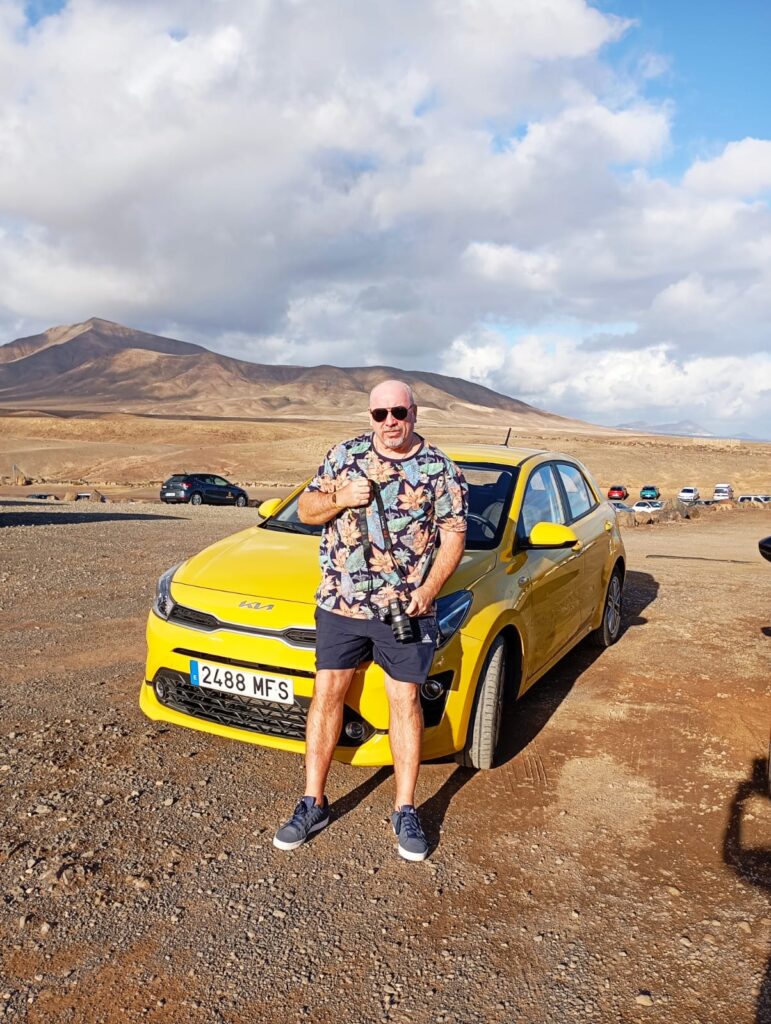
Lanzarote is not your average sun-and-sand destination. Yes, there are beautiful beaches and warm weather year-round — but there is also a UNESCO Biosphere Reserve’s worth of volcanic terrain to explore, Atlantic trade winds that catch you off guard, and black lava fields that reflect heat with surprising intensity. Packing for Lanzarote means thinking beyond swimwear and flip-flops.
If you have already read the Lanzarote travel guide, you will know that this island combines resort beach holidays with genuine volcanic adventure — often on the same day. Your packing list needs to reflect that. Get it right and you will be comfortable everywhere, from the sheltered coves of Papagayo to the wind-swept rim of a volcanic crater. Get it wrong and you will be nursing sunburnt shoulders, ruined shoes and a nagging sense that you are missing out.
This Lanzarote packing list guide covers everything, from clothing and footwear to documents, electronics and a few things worth leaving at home.
Check Prices & Availability of Lanzarote Hotels
Table of Contents
Clothing to Pack for Lanzarote
Daytime Clothing
Lanzarote sits in the Atlantic off the coast of Africa, and its climate is warm and dry across every month of the year. Lightweight, breathable fabrics work best. Think cotton or moisture-wicking materials for daytime exploration — linen shirts, shorts, light trousers and T-shirts will cover most situations.
During summer (July and August), temperatures sit between 25°C and 30°C. In winter months (December to February), you are looking at 17°C to 22°C on most days, which is still comfortable for light layers but cooler than many visitors expect.
Pack:
- Lightweight shorts and T-shirts (3–5 pairs depending on trip length)
- One or two linen or cotton shirts for smarter evenings
- Light trousers or a casual dress for cooler days and village exploring
- A swimsuit (two is better — one to wear, one drying)
Evening Layers
Trade winds are a defining feature of Lanzarote’s climate, particularly in the north of the island and along exposed coastlines. Even in summer, evenings can feel breezy, and a warm day can turn noticeably cooler once the sun goes down. Many visitors in July are surprised to find themselves wishing they had brought a light jacket for dinner.
Pack:
- One lightweight windproof jacket or zip-up (essential, not optional)
- A mid-layer fleece or jumper for winter visits or cooler evenings
- A long-sleeve top or two for flexibility
What NOT to Bring
Leave the bulky knitwear and heavy winter coats at home unless you are visiting in January or February, and even then one warm layer is sufficient. Formal clothing is rarely needed — Lanzarote is relaxed, and most good restaurants are smart-casual at most. You will not be attending black-tie dinners.
Footwear: The Most Underestimated Part of Your Packing List
This is where most visitors get caught out. Lanzarote’s volcanic terrain is extraordinary to look at and genuinely rewarding to explore — but lava rock is uneven, sharp and unforgiving. Sandals and flip-flops that feel perfectly fine on a resort strip will leave you with cut feet and twisted ankles on a volcanic path.
What to Bring
Sturdy trail shoes or walking trainers — non-negotiable if you plan to hike. The Caldera Blanca walk, any exploration around Timanfaya, and paths along the Famara cliffs all demand proper footwear with grip and ankle support. These also double as everyday exploring shoes.
Comfortable sandals — good for resort walking, poolside use and casual evenings. Not for volcanic terrain.
Water shoes — underrated and genuinely useful. Rocky beaches and natural pools like Charcones involve scrambling over lava to reach the water. Smooth-soled shoes offer no grip; water shoes protect your feet and allow you to move confidently. They are also useful for snorkelling off rocky shores around the Papagayo coves.
What to Leave at Home
Flip-flops alone will not serve you well beyond the pool deck. They are dangerous on volcanic paths and painful on sharp pebble beaches. Bring them, but treat them as pool-only footwear rather than your primary shoe.
Sun and Heat Protection
The Canarian sun is strong at any time of year, but what catches many Lanzarote visitors off guard is the way black volcanic rock amplifies it. Dark lava absorbs and radiates heat, white buildings reflect it, and the Atlantic light bouncing off the water is relentless. Burning happens faster here than you expect.
Sunscreen: Bring high SPF — 30 at a minimum, 50 if you are fair-skinned or visiting in summer. Pack more than you think you need; sunscreen purchased at resort shops carries a significant price premium. A factor 50 spray for ease of reapplication is particularly useful on beach and hiking days.
Sunglasses: UV-protective sunglasses are essential. The combination of white buildings, black lava and bright Atlantic sky creates glare from multiple directions simultaneously. Polarised lenses help significantly on the water.
Hat: A wide-brimmed hat or cap is important for hikes and beach days. There is very little shade on volcanic terrain, and hours on an open lava field without head protection will leave you feeling rough by lunchtime.
Lip balm with SPF: Often forgotten but easy to pack. The combination of sun, wind and dry air makes this genuinely useful.
Beach Essentials
Lanzarote’s beaches range from wide, serviced resort strands to wild, rocky coves accessible only by rough track or a scramble on foot. What you need varies by beach.
For Papagayo and sheltered resort beaches:
- Beach towel (or buy a lightweight travel towel before you go)
- Waterproof sunscreen
- Snorkelling mask and fins — Papagayo has clear, calm water and good marine life
- Beach bag or dry bag to protect your phone and valuables
- Reusable water bottle — many beach-side restaurants and bars will refill these at no charge
For wilder beaches and rocky coves:
- Water shoes (see footwear section above)
- A dry bag for your phone — useful when scrambling over wet lava near natural pools
- Extra water — services are non-existent at more remote beaches
A note on the Papagayo access road: it is rough and unpaved, and you will feel every bump. Most standard hire cars manage it fine if you take it slowly, but check your hire agreement before setting off — some exclude unpaved roads. Arrive early to secure parking before the fee-paying barrier opens fully for the day.
Gear for Exploring Volcanic Landscapes
Lanzarote’s volcanic interior is one of the most extraordinary landscapes in Europe, and exploring it properly is a highlight of any visit. But it requires preparation that a typical beach holiday packing list does not include.
Hiking Essentials
The Caldera Blanca is the most rewarding hike on the island — a circular route around and up a massive volcanic crater in the heart of the Timanfaya region. It takes three to four hours and is moderately challenging. There is zero shade on the route, no water sources and no rescue service nearby. You need to be self-sufficient.
Carry on any volcanic hike:
- At least 2 litres of water per person — more in summer
- High-energy snacks (nuts, dried fruit, energy bars)
- Sunscreen and a hat (see above)
- Trail shoes with grip
- A fully charged phone with an offline map downloaded (Google Maps or Maps.me work well offline)
- A light windproof layer — temperatures and wind can shift on higher ground
Timanfaya National Park
It is worth noting clearly: you cannot freely hike inside Timanfaya National Park. The volcanic activity and protected status of the Biosphere Reserve means access is restricted to guided tours and the official coach route through the Montañas del Fuego area. Do not attempt to walk off the designated paths — it is prohibited and the terrain is genuinely dangerous in places.
Guided walking tours of Timanfaya are available and well worth booking in advance, particularly in peak season. This is one of the most extraordinary places on earth to walk through — just do it properly.
For more practical guidance on making the most of your time on the island, including how to plan your days and get around, take a look at our Lanzarote travel tips — a great companion resource to use alongside this packing list.
A Note on the Calima
Occasionally, Lanzarote experiences a calima — a hot, dust-laden wind blowing in from the Sahara. During a calima, visibility drops, the air feels thick and gritty, and temperatures can spike sharply. If you are visiting between late spring and early autumn, packing a lightweight buff or face covering is a practical precaution. It is not a daily occurrence, but when it arrives, you will be glad you were prepared.
Electronics and Practical Items
Plug Adaptor
Spain uses the Type F two-pin European plug. If you are travelling from the UK, Ireland, the USA or Australia, you will need an adaptor. Universal travel adaptors are widely available and inexpensive — do not forget one. Lanzarote’s resort shops do sell them but at inflated prices.
Offline Maps
Mobile signal can be patchy in the volcanic interior and along remote coastal tracks. Download offline maps before you leave your accommodation each day. Google Maps offline mode works well; Maps.me is a free alternative with good detail for hiking trails. The Wikiloc app has community-submitted GPS tracks for specific hikes like Caldera Blanca and is worth downloading.
Camera Gear
Lanzarote is one of the most photogenic islands in the world. The contrast between black lava, white villages and vivid blue sky creates genuinely dramatic images. Whether you are using a smartphone or a dedicated camera, pack:
- Extra memory cards or ensure you have cloud backup enabled
- A lens cloth — wind carries fine dust and volcanic particles that settle on lenses
- A small tripod or GorillaPod for landscape photography at dawn and dusk
Power Bank
A fully charged portable power bank is useful on long hiking days when you are relying on your phone for navigation, photography and music simultaneously. A 10,000mAh bank will comfortably carry an iPhone or Android through a full day of heavy use.
Money, Documents and Admin Essentials
Cash and Cards
Lanzarote uses the euro. Card payments are accepted widely in resorts, larger restaurants and supermarkets, but cash remains important in smaller village restaurants, local markets (the Teguise Sunday market is a particularly good example), family-run bars and some rural car parks. Withdrawing €100–€150 in cash on arrival gives you flexibility without carrying excessive amounts.
ATMs are readily available in Arrecife, Puerto del Carmen, Playa Blanca and Costa Teguise. Avoid dynamic currency conversion at ATMs — always choose to be charged in euros.
Travel Insurance
Do not travel without it. Lanzarote is part of Spain, and medical costs without insurance can be significant. Ensure your policy covers adventure activities if you plan to hike, surf, cycle or go diving. Keep a digital and printed copy of your policy reference number and the emergency contact line.
EHIC / GHIC Card
UK visitors should bring their GHIC (Global Health Insurance Card), which provides access to state healthcare in Spain at reduced or no cost. EU visitors should carry their EHIC. These do not replace travel insurance — they complement it.
Driving Licence
If you plan to hire a car — and hiring a car is the best way to explore Lanzarote properly — you will need your full driving licence. UK visitors do not currently need an International Driving Permit for Spain, but check current requirements before you travel. According to Visit Canary Islands, the islands are well-served by car hire options across all the main resorts and at the airport.
Packing Tips for Specific Traveller Types
Families with Children
- Bring children’s sunscreen SPF50+ in generous quantities — it is expensive on the island
- A UV-protective swimsuit (rash vest) for children is highly recommended
- Portable sun shade or pop-up beach tent for babies and toddlers — there is little natural shade on many beaches
- Sand-free beach mat (useful on black volcanic sand beaches)
- Snorkelling gear sized for children — Papagayo’s calm, clear water is perfect for young snorkellers
- A small backpack for each child with their own water bottle and snacks on activity days
Couples on a Romantic Trip
- A nice dress or smart shirt for evenings — Lanzarote’s restaurant scene is excellent and worth dressing up slightly for
- Binoculars — sunset views from the Mirador del Río and the Jameos del Agua are extraordinary
- A Bluetooth speaker for private villa or apartment use
- A good wine carrier if you plan to bring back Malvasía wine from a local bodega
Active Travellers and Hikers
- Trekking poles (collapsible, for volcanic terrain and crater hikes)
- Hydration pack rather than bottles if doing full-day hikes
- Blister plasters and sports tape — volcanic lava paths are uneven underfoot
- Lightweight merino wool base layer for early morning hikes when temperatures are lower
- A head torch for pre-dawn starts to reach viewpoints for sunrise
Winter Visitors
Lanzarote in December, January and February is still pleasantly warm by northern European standards, but noticeably cooler than summer. Pack:
- A warm fleece or lightweight down jacket
- Long trousers as an evening staple rather than an occasional item
- Closed-toe shoes suitable for cooler exploration days
- Layers rather than single heavy items — the temperature varies significantly between sheltered and exposed locations
What You Can Buy There (Don’t Overpack)
Lanzarote is well-supplied. There is no need to pack every contingency item from home. Major supermarkets — including Hiperdino, Mercadona and Lidl — are found in all the main towns and resorts. Pharmacies are well-stocked and English-speaking staff are common in tourist areas.
Available easily on the island:
- Sunscreen (though pricier than home — bring a good supply but don’t panic if you run short)
- After-sun lotion and basic medicines
- Beach towels
- Snorkelling gear (for hire or purchase at resort shops)
- Adaptors and basic electronics accessories
Worth buying locally as treats or gifts:
- Malvasía wine — Lanzarote’s volcanic wine, grown in extraordinary lava-pit vineyards, is genuinely exceptional and not easy to find elsewhere. Visit a bodega in La Geria for the best selection
- Local goat’s cheese (queso de cabra) — mild, fresh and delicious; available at markets and supermarkets
- Mojo sauce — the island’s signature condiment comes in red (mojo rojo) and green (mojo verde) varieties; jarred versions travel well
- Local honey and aloe vera products — both are produced on the island and make good, lightweight gifts
FAQ: Lanzarote Packing List
What shoes should I pack for Lanzarote?
Pack at least three types of footwear: sturdy trail shoes or walking trainers for volcanic terrain and hikes, comfortable sandals for resort and evening use, and water shoes for rocky beaches and natural lava pools. Flip-flops are fine for the pool but are not suitable as your primary outdoor shoe on this island.
Do I need a windproof jacket in Lanzarote?
Yes — even in summer. Lanzarote’s Atlantic trade winds are a constant presence, particularly in the north, along cliff edges and on elevated terrain. Evenings can be significantly cooler and breezier than the daytime temperature suggests. A lightweight windproof layer takes up almost no space in your bag and you will use it regularly.
What SPF sunscreen should I bring to Lanzarote?
SPF 50 is recommended for most visitors, particularly for fair-skinned travellers, children and anyone spending time on or near volcanic terrain. Black lava absorbs and radiates heat, increasing the intensity of sun exposure compared to a typical sandy beach. Bring more than you think you need — resort-purchased sunscreen carries a significant price premium.
Should I bring euros in cash to Lanzarote?
Yes, bring some cash. While cards are accepted in most resorts, restaurants and supermarkets, smaller village bars, the Teguise Sunday market and some rural car parks operate on a cash-only basis. Arriving with €100–€150 gives you comfortable flexibility. ATMs are widely available in all main towns.
Can I buy forgotten items when I arrive in Lanzarote?
Yes. Lanzarote has well-stocked supermarkets (Mercadona, Hiperdino, Lidl) and pharmacies in all the main resort towns. Sunscreen, toiletries, basic medicines, beach gear and adaptor plugs are all available — though at higher prices than you would pay at home. Specialist hiking gear and technical clothing are harder to source, so bring those from home.
Is there anything I should NOT pack for Lanzarote?
Leave behind heavy winter clothing (unless visiting December–February), formal wear, and more than one pair of flip-flops. You do not need bulky beach umbrellas — many beaches offer rental. Avoid packing full-size toiletries if flying with hand luggage only. Also, do not bring any intention of hiking freely inside Timanfaya National Park — access is strictly controlled and off-path walking is prohibited.
What should I pack for hiking in Lanzarote?
For the Caldera Blanca and other volcanic hikes, pack: trail shoes with grip, at least 2 litres of water per person, high-energy snacks, SPF 50 sunscreen, a wide-brimmed hat, a lightweight windproof layer, a fully charged power bank and a phone with offline maps downloaded. There is no shade and no water on most volcanic hiking routes, so self-sufficiency is essential.
Planning your trip to Lanzarote? Start with the full Lanzarote travel guide for everything you need to know about the island, and keep our Lanzarote travel tips bookmarked for practical day-to-day advice once you arrive.