
Lanzarote rewards curiosity. The island sits at the eastern edge of the Canary Islands, shaped by centuries of volcanic eruption and decades of thoughtful design, and it offers a density of worthwhile experiences that few destinations of its size can match. Whether you are drawn to the raw drama of its lava fields, the artistry of César Manrique’s interventions in the landscape, or the simple pleasure of a long afternoon on a sheltered beach, the island delivers with surprisingly little fuss.
The key to getting the most from Lanzarote is treating it as more than a resort base: rent a car, plan a loose route each morning, and let the island’s compact geography work in your favour. Most of the best things to do in Lanzarote sit within 30 to 45 minutes of wherever you are staying, which makes it easy to pair two or three experiences in a single day without feeling rushed.
This guide is designed to help you decide what to do in Lanzarote and, just as importantly, what to prioritise. It covers the island’s volcanic landmarks, Manrique’s network of art-meets-nature sites, standout beaches, village day trips, local food and wine, and resort-specific activities. For broader planning context, including when to visit, where to stay and how to get around, the Ultimate Travel Guide to Lanzarote covers all of that in detail.
Best Things to do in Lanzarote
Check Prices & Availability for Lanzarote Hotels
Table of Contents
See The Island’s Volcanic Heart
Lanzarote’s volcanic landscape is not a backdrop; it is the main event. From the scorched lava fields of Timanfaya to the pale caldera rim above Mancha Blanca, the island’s interior feels genuinely otherworldly and deserves a full day of your time.
Explore Timanfaya National Park And The Fire Mountains
Timanfaya National Park covers a vast stretch of the island’s south-west and remains the single most impressive thing to do in Lanzarote. The compulsory coach tour loops through the Fire Mountains along the Ruta de los Volcanes, passing craters, lava rivers and rust-red hillsides that look almost Martian. You cannot walk this route independently, so expect to queue for the coach at the Islote de Hilario car park, particularly between 11:00 and 14:00.
Arrive early. The morning light is better for photographs and the queues are noticeably shorter before 10:30. At the car park, park rangers demonstrate the residual geothermal heat by pouring water into bore holes and igniting dry scrub, both genuinely startling even if you know what is coming.
If you want to explore Timanfaya on foot, a limited number of guided walks operate within the park by advance booking through the visitor centre. These fill up fast, so check availability as soon as your dates are confirmed.
Buggy tours operate on the park’s fringes, covering the broader volcanic landscape outside the protected zone. They are a fun option if you want a more active way to see the terrain, though they do not enter the national park itself. If a buggy tour is a little too racey for you how about viewing the volcanic terrain from the back of a camel!
Hike Caldera Blanca
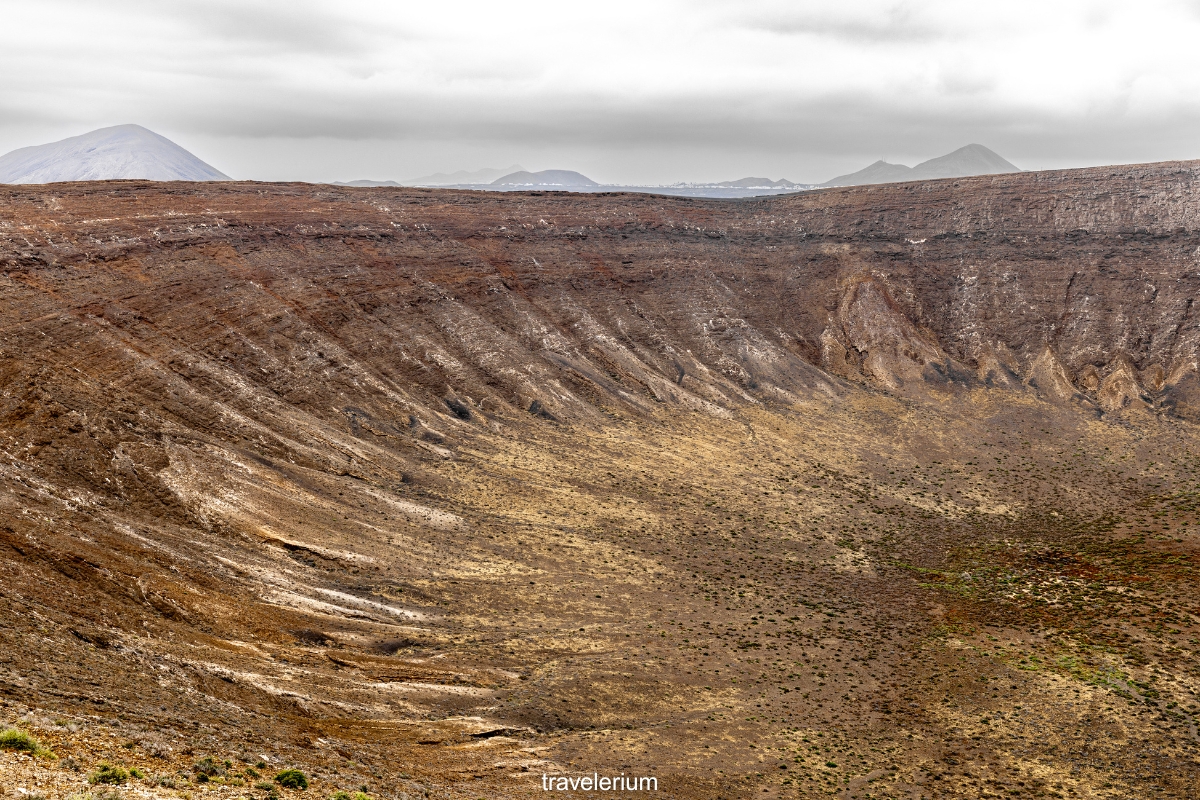
For a proper walk through Lanzarote’s volcanic heartland, Caldera Blanca is the route to choose. The circular trail starts near the village of Mancha Blanca and crosses a stark lava field before climbing to the rim of a large, pale-walled crater. The full loop is around 9 kilometres and takes roughly three hours at a steady pace.
The path is well marked but exposed, with no shade and loose footing on the ascent. Bring plenty of water, wear sturdy shoes and start early in the morning, especially between May and September. The reward at the top is a wide, quiet panorama of craters and coastline that very few visitors bother to see.
Stop At El Diablo Restaurant
El Diablo sits at the heart of Timanfaya’s visitor area and is worth a stop even if you do not eat a full meal. The restaurant was designed by César Manrique and uses a volcanic grill built directly over a natural vent, cooking meat with geothermal heat from the earth below. Watching the kitchen operate is a spectacle in itself.
The food is honest rather than exceptional: grilled chicken, fish and local potatoes. Prices are reasonable for a national park. The circular glass dining room offers wide views across the lava fields, which makes it a good place to sit with a coffee after the coach tour.
Best Things to do in Lanzarote
Follow César Manrique’s Vision Across Lanzarote
César Manrique shaped Lanzarote more than any other individual. The artist, architect and environmental campaigner spent decades designing spaces that work with the island’s geology rather than against it, and his influence is visible everywhere, from lava-tube concert halls to the absence of high-rise buildings along the coast. Five of his major projects are now managed as Centres of Art, Culture and Tourism, and between them they form one of the most distinctive cultural circuits in Europe.
Visit Jameos del Agua
Jameos del Agua is Manrique’s most theatrical creation. Built inside a collapsed lava tube in the north-east of the island, the site combines a subterranean lake, a tropical garden, a pristine swimming pool and an auditorium carved into the rock. The underground lake is home to blind albino crabs, a tiny species found nowhere else on earth. Visitors have a habit of tossing coins into the water; please resist, as the coins damage the ecosystem.
The space has an almost cinematic quality in the late afternoon, when the light falls through the open sections of the tube. Allow about an hour, and consider pairing the visit with nearby Cueva de los Verdes.
Tour The César Manrique Foundation
The César Manrique Foundation in Tahíche is the artist’s former home, built over and into a series of five volcanic bubbles. Each bubble has been turned into a living space with its own colour palette and planting, connected by tunnels carved through the basalt. The house is extraordinary: part sculpture, part geological exhibit, part domestic space.
Upstairs, the foundation displays Manrique’s own paintings and works by contemporaries including Picasso and Miró. The whole visit takes around 60 to 90 minutes. It is one of the quieter Manrique sites, and the one that best explains his philosophy of living in harmony with the landscape.
See The Jardín de Cactus In Guatiza
The Jardín de Cactus in Guatiza was Manrique’s final major project, completed shortly before his death in 1992. Set inside a disused quarry, the garden holds around 4,500 cacti of more than 450 species, arranged in concentric terraces around a restored windmill.
It is a surprisingly peaceful place. The design is immaculate, and the interplay between the grey stone walls, the green and ochre plants, and the dark volcanic soil makes for excellent photographs. A small café at the top serves decent coffee. Budget 45 minutes to an hour.
Take In The Views From Mirador del Río
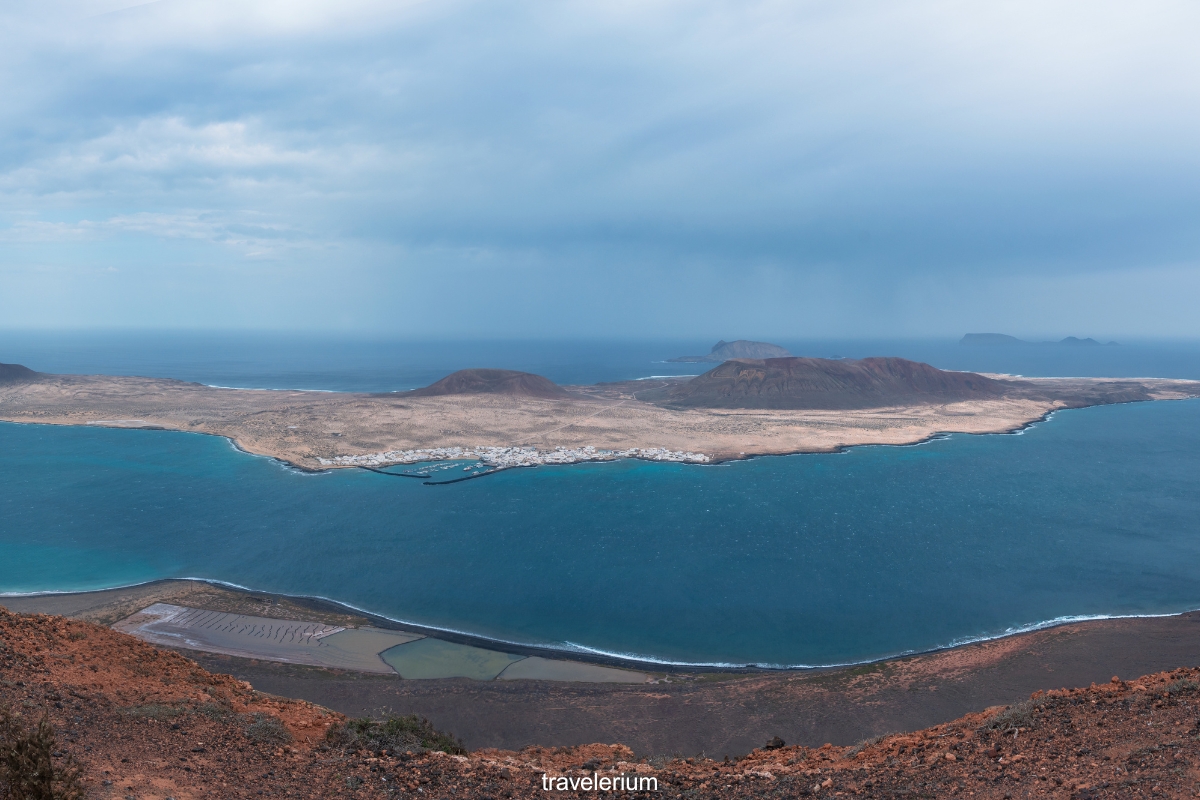
Mirador del Río sits on the clifftop at the northern tip of Lanzarote, 475 metres above the strait separating the island from La Graciosa. Manrique built the viewpoint into the rock face, disguising it so completely that from the outside it is almost invisible. Inside, floor-to-ceiling glass frames one of the finest panoramas in the Canary Islands.
On a clear day, the view stretches across the channel to La Graciosa’s sandy beaches and the smaller islets beyond. On a hazy or overcast day, you may see very little, so check conditions before driving up. The entrance fee includes access to a small café inside the viewpoint.
Go Underground At Cueva de los Verdes
Cueva de los Verdes takes you inside a lava tube formed by the eruption of Monte Corona around 3,000 years ago. Guided tours lead through roughly one kilometre of the tube, passing through vast chambers with dramatic lighting and acoustics. The tour ends with a visual surprise that catches almost everyone off guard.
The cave sits a short drive from Jameos del Agua, and the two are easily visited in sequence. Tours run at regular intervals throughout the day and last about 50 minutes. The temperature inside hovers around 19°C year-round, so a light layer is useful.
Best Things to do in Lanzarote
Choose The Best Coastal And Beach Experiences
Lanzarote’s coastline shifts constantly in character. You will find sheltered golden coves in the south, long surf beaches on the north-west coast, urban stretches in the capital, and wild volcanic cliffs where the sea crashes with real force. Knowing which beaches suit your plans saves time and avoids disappointment.
Spend A Day At The Papagayo Beaches
The Playas de Papagayo are a chain of small, south-facing coves at the southern tip of the island, sheltered from the wind and backed by low ochre cliffs. Playa de Papagayo itself is the most photographed, with clear turquoise water and soft sand, but several of the neighbouring coves are equally good and often quieter.
Access is via a bumpy dirt track from Playa Blanca. There is a small vehicle entry fee. Facilities are limited: El Chiringuito operates a beach bar on the main cove, but bring your own water and shade if you plan to stay all day. The beaches get busy from late morning in peak season, so an early start pays off.
Walk Playa de Famara And The Clifftop Coast
Playa de Famara is Lanzarote’s most dramatic beach. A wide, exposed sweep of sand runs for several kilometres beneath the towering Famara cliffs, with the silhouette of La Graciosa visible across the water. The beach is popular with surfers and kitesurfers, and several surf schools operate from the small village of Caleta de Famara.
Swimming here requires caution. Currents can be strong and the beach is not lifeguarded along its full length. The real draw is the atmosphere: big sky, big waves, and a sense of wildness you will not find in the resort beaches. The clifftop above offers walking routes with sweeping coastal views.
Swim Or Stroll In Arrecife
Arrecife, Lanzarote’s capital, is often overlooked by visitors, which is a shame. Playa del Reducto is a clean, well-maintained town beach with calm water, making it a good option for families or anyone wanting a swim without a long drive. The beach sits within easy walking distance of shops, cafés and the waterfront promenade.
The town itself has a working, lived-in feel that contrasts with the resort areas. A stroll along the seafront, past the old Castillo de San Gabriel and into the backstreets, offers a glimpse of everyday Lanzarote life.
Watch The Waves At Los Hervideros
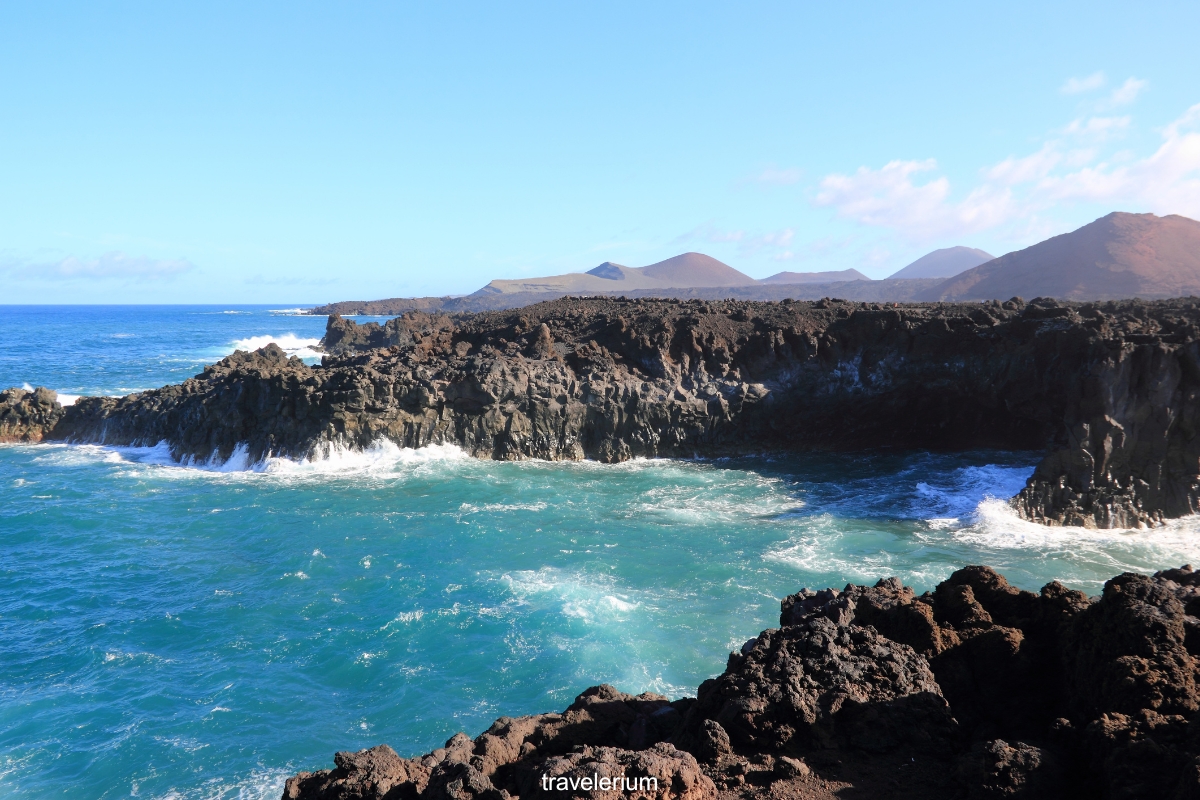
Los Hervideros is a stretch of volcanic coastline on the island’s south-west side where the Atlantic meets twisted lava formations. The sea forces its way through arches, blowholes and narrow channels, producing dramatic spray and sound, particularly at high tide.
A series of short walkways and viewpoints have been built into the rock, making it easy to explore safely. The visit takes only 15 to 20 minutes, but the effect is memorable. Pair it with a stop at nearby El Golfo for a logical half-day route through Lanzarote’s wildest coastal scenery.
Best Things to do in Lanzarote
Take Scenic Day Trips Beyond The Resorts
Some of Lanzarote’s best days out involve leaving the resort entirely. The island’s northern villages, its former capital and the neighbouring islands each offer something distinct, and all are reachable within a morning’s drive or a short ferry crossing.
Take A Day Trip To La Graciosa
La Graciosa is the small island visible from Lanzarote’s northern cliffs, and reaching it feels like stepping back several decades. A 25-minute ferry from Órzola drops you in the village of Caleta de Sebo, where sandy tracks replace paved roads and the pace slows right down.
You can explore on foot, rent a bicycle, or book a boat tour around the island’s coastline. Playa de las Conchas, on the far side, is one of the most beautiful beaches in the Canary Islands, though the walk to reach it takes about 45 minutes each way. Bring food and water; options on the island are limited and basic.
Explore Teguise Beyond Market Day
Teguise, Lanzarote’s former capital, is best known for its large Sunday market, which fills the old streets with stalls selling leather goods, local produce and crafts. The market draws big crowds and tour buses, so arrive before 10:00 if you want to browse comfortably.
The town deserves a visit on a quieter day too. The whitewashed streets, the old churches and the Castillo de Santa Bárbara above the town are worth seeing without the market crowds. A handful of good restaurants and small galleries reward a slower visit. If you plan a visit to Teguise why not take in the Lagomar Museum which is just outside the town
Spend Time In Haría And The Northern Villages
Haría sits in the Valley of a Thousand Palms in Lanzarote’s green north, and the contrast with the volcanic south is striking. The village is small and quiet, with a pleasant craft market on Saturdays and a cluster of cafés around the central square. César Manrique’s final home is here, now open to visitors as a house museum.
Nearby Arrieta and Punta Mujeres are small coastal villages with natural rock pools and a handful of seafood restaurants. These areas see far fewer tourists and give a stronger sense of how local life on the island actually works.
Consider A Ferry Day Out To Fuerteventura
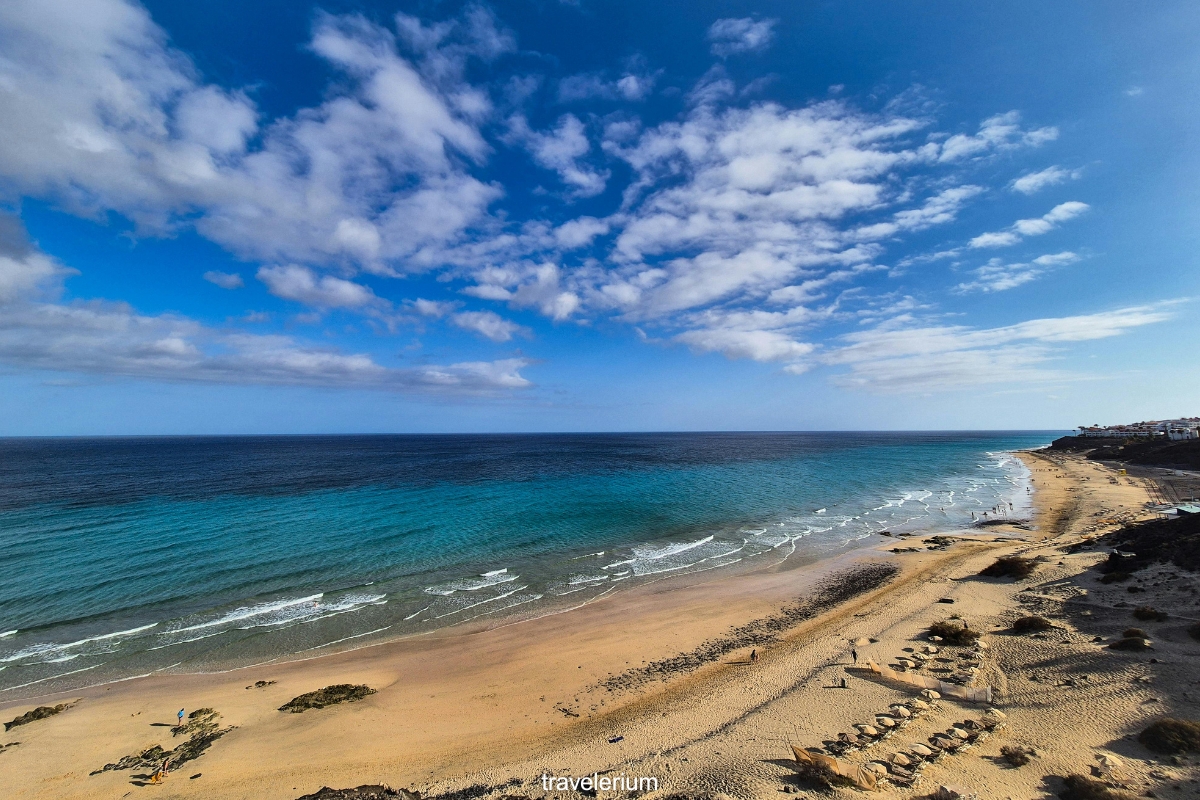
Fuerteventura is visible from Playa Blanca on a clear day, and the ferry crossing takes around 25 minutes. Most visitors head for Corralejo, which offers long white-sand beaches backed by dunes, a lively town centre and good seafood restaurants.
A day trip works well if you have already covered Lanzarote’s main sights and want a change of scene. Book the first ferry out and the last one back to make the most of your time. Bear in mind that Fuerteventura is a much larger island, so you will only scratch the surface in a single visit.
Best Things to do in Lanzarote
Eat, Drink And Experience Local Character
Lanzarote’s food and wine scene is shaped by its volcanic soil, its proximity to the sea and a culture that values simplicity. The best meals on the island tend to involve very fresh fish, local cheese, small-batch wine and not much fuss.
Taste The Wines Of La Geria
La Geria is Lanzarote’s wine-growing region, and it looks like nowhere else on earth. Vines are planted individually in hollows dug into the volcanic ash, each one sheltered by a low semicircular stone wall called a zoco. The landscape is hauntingly beautiful, and the wine is surprisingly good.
Several bodegas along the LZ-30 road offer tastings, usually for a modest fee. The white Malvasía is the island’s signature grape: dry, aromatic and mineral. Stop at two or three producers to compare styles. If you are driving, tastings are small, but designating a non-drinking driver is the sensible option.
Eat Fresh Seafood At El Golfo
El Golfo is a tiny fishing village on the west coast, perched beside a striking green lagoon formed inside a half-submerged volcanic crater. The village itself consists of little more than a single row of seafood restaurants facing the ocean.
The fish here is as fresh as it gets on the island. Grilled parrotfish (vieja), limpets (lapas) with green mojo, and whole sea bass are typical offerings. Prices are fair, portions are generous, and the setting, with waves breaking just metres from your table, adds something no resort restaurant can replicate. Visit in the early afternoon to avoid the tour-group lunch rush.
Browse San Ginés And Arrecife’s Waterfront
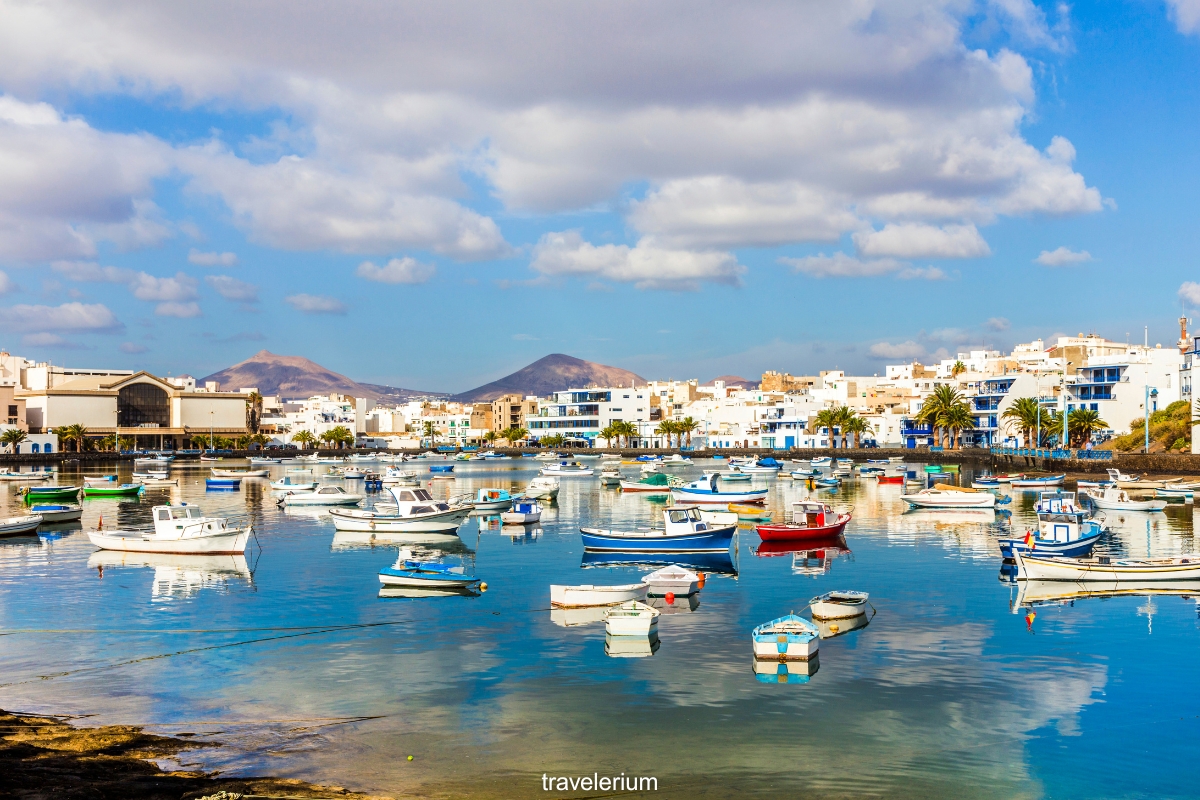
The area around the Charco de San Ginés in Arrecife is the most characterful part of the capital. This small tidal lagoon is lined with white fishermen’s cottages and flanked by a promenade where locals gather in the evening. A handful of tapas bars and cafés sit along the waterfront.
On weekend evenings, the area has a relaxed, sociable atmosphere that feels quite different from the resort towns. It is a good place to end a day of sightseeing with a glass of local wine and some papas arrugadas before heading back.
Best Things to do in Lanzarote
Pick the Best Things to do in Lanzarote. Activities By Resort And Travel Style
Each of Lanzarote’s three main resorts has a different character, and knowing what is on your doorstep helps you plan more efficiently. Your base shapes what you can do on foot, what suits a half-day excursion, and what activities work best for families, couples or solo travellers.
What To Prioritise In Puerto del Carmen
Puerto del Carmen is the island’s largest and liveliest resort, centrally located and close to the airport. The old harbour area has a good concentration of restaurants, and the long beachfront strip is lined with bars and shops. A scenic coastal walk connects Puerto del Carmen to the quieter marina at Puerto Calero, taking around 40 minutes each way.
The resort’s central position makes it the most practical base for day trips in any direction. Rancho Texas, a wildlife and activity park with a Wild West theme, sits just outside town and works well for a family half-day.
Family-Friendly Options In Costa Teguise
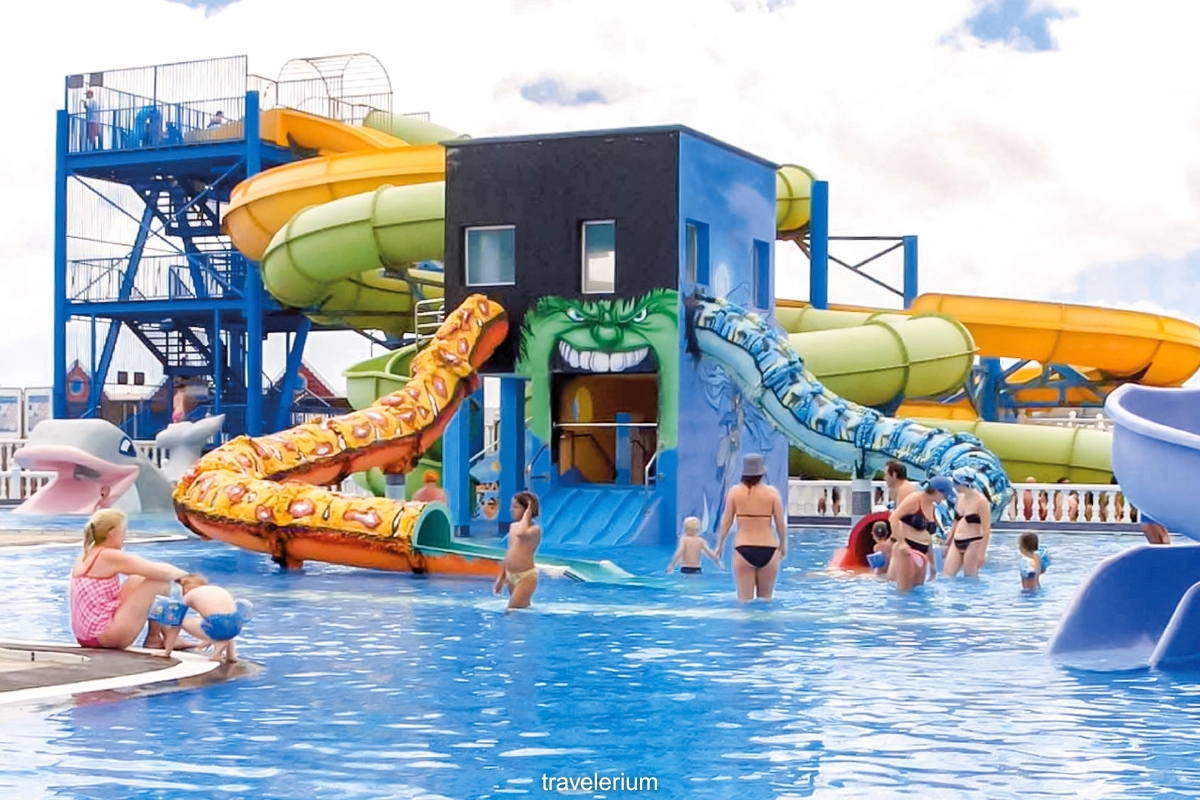
Costa Teguise is the most family-oriented resort, with purpose-built facilities and a calmer evening atmosphere than Puerto del Carmen. Aquapark Costa Teguise is the island’s largest waterpark and a reliable option for children of all ages. Playa de las Cucharas offers windsurfing and paddleboarding in relatively sheltered conditions.
For golf lovers there is a great course just outside the resort.
The resort is well placed for reaching Lanzarote’s northern attractions, including the Manrique sites, Cueva de los Verdes and the road up to Mirador del Río. It is also the closest resort to the capital, Arrecife.
If karting is your thing then the San Bartolomé Go Karting track is a great day out for the family.
Water-Based Adventures From Playa Blanca
Playa Blanca is the quietest of the three main resorts and the closest to both the Papagayo beaches and the ferry to Fuerteventura. Marina Rubicón is the departure point for boat trips, jet ski excursions, scuba diving and the Fuerteventura ferry.
Aqualava Waterpark, featuring a saltwater wave pool, provides a family-friendly afternoon. The Museo Atlántico, an underwater sculpture museum created by Jason deCaires Taylor, is accessible by dive or snorkel trip from the marina. It is one of the most distinctive experiences on the island, particularly for confident swimmers or certified divers.
You could also book one of the many popular whale and dolphin watching excursions.
How To Make The Most Of Your Time
If you have a week, split your time roughly between three types of day: a Timanfaya and south-west coast day, a Manrique and northern Lanzarote day, and a beach or village day. Leave at least one day unplanned for returning to a favourite spot or simply staying put.
Hiring a car gives you the most flexibility. Roads are good, distances are short, and parking is generally easy outside Arrecife. If you prefer not to drive, organised full-day tours cover the main sights efficiently and typically include entrance fees.
Best Things to do in Lanzarote
Itineraries:
- Lanzarote Itinerary 7 Days
- Lanzarote Itinerary 3 Days
- Lanzarote Itinerary 5 Days
- Lanzarote Itinerary 10 Days
- Lanzarote Itinerary 14 Days
- Lanzarote One Week Itinerary
- Lanzarote Weekend Break Itinerary
- Lanzarote Itinerary for Couples
- Lanzarote Itinerary for Families
- Lanzarote Itinerary for Solo Travellers
Frequently Asked Questions
What are the must-see attractions and experiences on the island?
Timanfaya National Park, the César Manrique Foundation and the Papagayo beaches are the three experiences most visitors rate highest. Add Jameos del Agua and a wine tasting in La Geria and you will have covered Lanzarote’s essential highlights within two or three days.
What are the best things to do in Playa Blanca?
Playa Blanca is ideally placed for the Papagayo beaches, which are a short drive or walk away. You can also take the ferry to Fuerteventura, explore the Museo Atlántico underwater sculpture museum, or spend a family day at Aqualava Waterpark in the resort itself.
What are the best things to do in Puerto del Carmen?
The coastal walk to Puerto Calero is a highlight, and the old town harbour area offers good restaurants. Rancho Texas suits families, while the resort’s central location makes it a strong base for day trips to Timanfaya, La Geria and the northern Manrique sites.
What unusual activities and hidden gems are worth seeking out?
The Caldera Blanca hike offers a volcanic landscape most visitors never see. Punta Mujeres and Arrieta, two small northern villages with natural rock pools, feel a world away from the resorts. The Museo Atlántico, where you snorkel or dive among underwater sculptures, is unlike anything else in the Canary Islands. Quad Biking tours are becoming a very popular activity on the island especially for those looking for a holiday adrenaline rush.
What are the best things to do for couples, including romantic evenings?
A wine tasting tour through La Geria, followed by a seafood lunch at El Golfo, makes for an excellent day out. For evenings, the waterfront around Charco de San Ginés in Arrecife and the marina at Puerto Calero both offer relaxed dining with atmosphere. A sunset boat trip along the coast is another strong option. For those who want a relaxing day together how about a Spa day, all the main resorts have at least one spa hotel.
What are the best free things to do on the island?
Walking Playa de Famara, watching the waves at Los Hervideros, and exploring the streets of Teguise or Haría all cost nothing. The coastal path between Puerto del Carmen and Puerto Calero is free and scenic. Driving through La Geria to admire the volcanic vineyards is equally rewarding, even without stopping for a tasting.
What are the most popular festivals or events on Lanzarote
Popular Lanzarote Festivals and events include:
Lanzarote Carnival – colourful parades, costumes and street parties across Arrecife and the resorts.
Fiesta de San Ginés – Arrecife’s major August celebration.
Romería de Los Dolores – a traditional pilgrimage to Mancha Blanca.
Corpus Christi – famous for decorative salt carpets in Arrecife.
San Juan – midsummer bonfires and festivities.
Saborea Lanzarote – a showcase of local food and wine.
Ironman Lanzarote – one of Europe’s toughest triathlons.
Lanzarote International Film Festival – screenings and cultural events.
Dates can vary annually. (Official calendar)
Where is the best location on Lanzarote for stargazing?
Peñas del Chache, Lanzarote’s highest point, is widely considered the best location for Lanzarote stargazing. Its elevation, dark surroundings and distance from major resorts provide excellent views of stars, planets and the Milky Way. The nearby Ermita de las Nieves viewpoint is more accessible and offers similarly dark skies. Choose a clear, moonless night, bring warm clothing and avoid shining bright lights. Inland areas around Timanfaya are also exceptionally dark, but access inside the national park is restricted after hours.
Does Lanzarote offer cyclists a challenge?
Yes, cycling in Lanzarote offers a serious challenge. The island’s volcanic terrain features long climbs, rolling roads and frequent strong winds, while the sparse landscape provides little shelter from the sun.
Popular tests include the ascent to Mirador del Río, Tabayesco and routes through Timanfaya National Park. Smooth roads, light traffic and year-round mild weather make Lanzarote cycling popular with amateurs and professionals training for events such as Ironman Lanzarote. Riders should carry plenty of water and prepare for sudden changes in wind.