Lanzarote is one of those destinations that rewards people who turn up prepared. The island is compact, relatively easy to navigate, and genuinely stunning — but it has its own quirks, and a few small pieces of knowledge can make the difference between a good holiday and a great one.
If you want the full picture on where to stay, what to see and how to plan your itinerary, our Ultimate Guide to Lanzarote will explain why Lanzarote is a great place to visit. This article is little more focused: a practical, no-fluff collection of Lanzarote travel tips drawn from real experience on the island, designed to help you avoid the common mistakes and make the most of every day.
Check Prices & Availability of Lanzarote Hotels
Lanzarote Travel Tips Contents
Pick Your Timing Carefully
Lanzarote’s reputation as the “Island of Eternal Spring” is well earned. Temperatures rarely drop below 17°C in winter and rarely climb above 30°C in summer. You can visit in any month and expect sunshine, which is part of why the island attracts visitors year-round.
That said, timing still matters, especially if you’re a first time visitor to Lanzarote.
- April to June and September to October offer the best balance of warm temperatures, quieter beaches and lower accommodation prices. The light in these shoulder months is also particularly good for photography — golden, clean and sharp.
- July and August are the busiest and most expensive months. Families arrive in force, Papagayo beaches fill up early, and prices for flights and hotels spike. If this is your only window, it is still a brilliant holiday — just book early and get to the beaches before 10am.
- December to February suits those escaping northern European winters. Days are mild and sunny, evenings are cool, and the island has a noticeably more relaxed pace. A light jacket for evenings is worth packing.
- One thing to note: the Canary Islands are known for occasional calima — a warm, dusty wind that blows in from the Sahara. It can turn the sky a murky yellow and make the heat feel oppressive for a day or two. It is unpredictable and can happen at any time of year, but is more common in late summer.
Hire a Car — It Is Almost Non-Negotiable
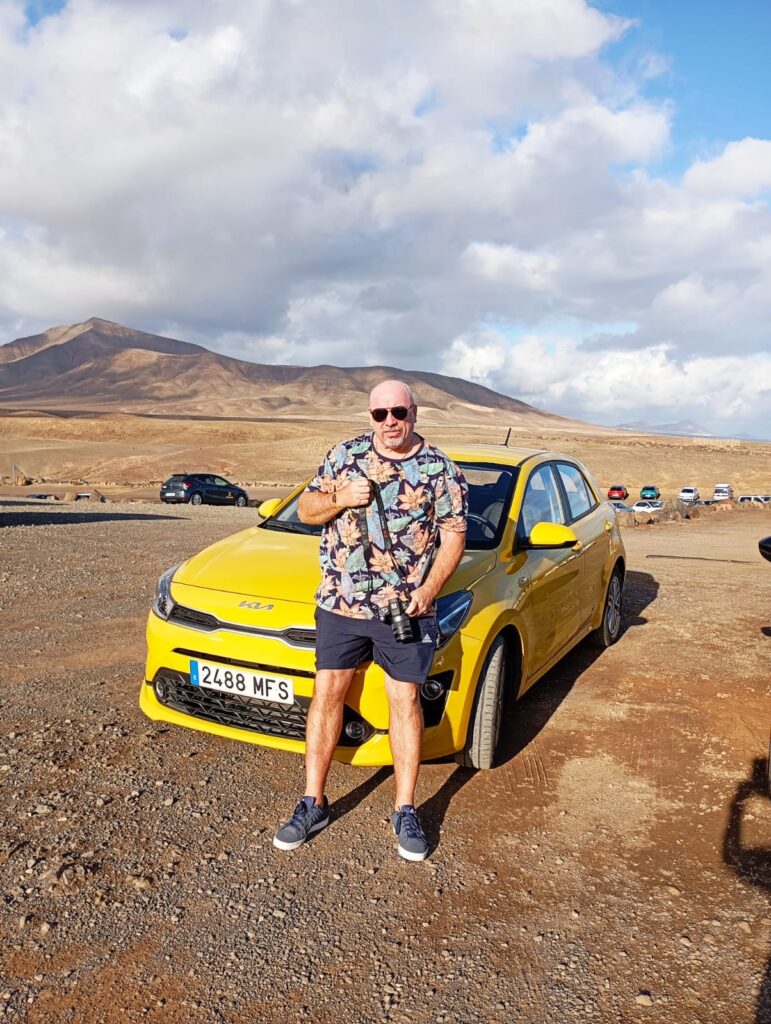
Lanzarote is compact enough to drive coast-to-coast in under an hour, but the best things on the island — Timanfaya, the Papagayo beaches, La Geria, the northern villages — are not easily accessible without your own transport.
Bus routes (called guaguas locally) exist but are limited. Taxis are available but costs add up quickly if you are making multiple trips. For most visitors, hiring a car unlocks the island properly.
A few car hire tips worth knowing:
- Book in advance, especially in peak season. Availability drops and prices rise if you leave it until arrival.
- A small or medium-sized car is sufficient. Roads are generally well-maintained, though some routes to beaches like Papagayo involve rough, unpaved tracks — check whether your hire agreement covers this.
- Petrol stations are not as frequent outside of resort towns. Fill up when you see one if your tank is below half.
- Parking is generally easy and free outside of central Arrecife and busy beach car parks.
- Drive on the right, as with mainland Spain.
If you would rather not drive, organised day tours to Timanfaya and other main sights are widely available from all three resorts and offer a reasonable alternative for specific excursions.
Understand How Money Works Here
Lanzarote uses the euro. Card payments are accepted almost everywhere in resorts and tourist areas, but smaller village restaurants, market stalls and local shops sometimes prefer cash. It is worth carrying a small amount of euros for these situations.
- Eat where the locals eat. Village restaurants in places like Haría, Yaiza and Arrieta serve the same quality food as resort restaurants at noticeably lower prices.
- A midday menú del día (set lunch menu) at a local restaurant typically includes a starter, main course, dessert and a drink for €10–14. It is one of the best value meals you can find.
- Resort strip restaurants near the main beaches tend to charge a premium. The food is usually fine, but you are paying for location.
- Free attractions exist. Caldera Blanca hike, the Famara clifftop views and most of the island’s beaches cost nothing.
- Pre-book entry to paid attractions like Timanfaya and Jameos del Agua online, especially in peak season. Slots sell out.
Beach Tips That Will Save You Frustration
Lanzarote has some genuinely exceptional beaches, but they all have their own character and conditions. Knowing which suits your plans avoids disappointment.
- The Papagayo coves in the south are the most beautiful: sheltered, golden and clear. They can fill up quickly in July and August. Arrive before 10am to secure a spot without stress. The access road is rough and unpaved — manageable in most hire cars, but take it slowly.
- Famara on the northwest coast is dramatic and photogenic, backed by cliffs that stretch skyward. The water here is powerful and unsuitable for casual swimming. Save it for surfing or a long coastal walk.
- Playa Grande in Puerto del Carmen is the most convenient resort beach: wide, serviced and sheltered. Good for families and easy access, though it gets busy.
- Always check conditions before swimming at unfamiliar beaches. Lanzarote is an Atlantic island, and some beaches have strong currents or heavy surf that is not always obvious from the shore. Look for safety flags and lifeguard presence.
- Wear water shoes on rocky beaches. Volcanic rock is sharp, and some of the more scenic coves involve scrambling over lava to reach the waterline.
Volcanic Landscape Safety Tips
The volcanic scenery is one of the main reasons people come to Lanzarote, but it pays to treat it with respect.
At Timanfaya National Park, you cannot hike independently within the protected zone. Entry is by guided bus tour only, which is well-run and worth doing. The Caldera Blanca hike sits just outside the park boundary and is freely accessible — an excellent addition to any visit to the area.
On any volcanic hike:
- Wear closed-toe shoes with grip. Lava rock looks solid but can be uneven, crumbly and razor-sharp. Sandals or flip-flops are genuinely dangerous on these surfaces.
- Carry more water than you think you need. There is no shade on lava fields, and the sun reflects off the black rock.
- Stick to marked paths. Wandering off-trail damages delicate volcanic ecosystems and can be disorienting in terrain where every view looks similar.
- Tell someone your route if you are hiking independently in remote areas.
The island holds UNESCO Biosphere Reserve status — a designation it takes seriously. UNESCO’s information on Biosphere Reserves explains what this means in practice, and it is part of why Lanzarote’s landscapes feel so intact and protected compared to other tourist islands.
Food and Drink Tips
Canarian food is honest, flavourful and built around fresh, local ingredients. You do not need to seek out specialist restaurants to eat well — the basics are excellent everywhere.
Order these without hesitation:
- Papas arrugadas — small wrinkled potatoes boiled in salt water, served with mojo sauces. Order them with everything.
- Mojo rojo — a red pepper and garlic sauce that pairs with almost any savoury dish.
- Local goat’s cheese — particularly good when grilled. Ask for queso de cabra a la plancha.
- Fresh fish — vieja (parrotfish) and cherne (wreckfish) are the traditional local choices. In El Golfo, the fish is as fresh as it gets.
- Malvasía wine from La Geria — a crisp, aromatic white that is produced in the volcanic ash fields and pairs beautifully with seafood.
Avoid eating on the main resort strips for every meal. The food is usually decent but unremarkable and overpriced. Venture five minutes off the strip and the quality improves, the prices drop and the atmosphere becomes more genuine.
Tap water is technically safe in Lanzarote but heavily treated and not always pleasant tasting. Most locals and visitors drink bottled water. Large bottles from supermarkets are cheap.
Pack for the Specific Conditions
Packing for Lanzarote is slightly different from packing for a typical beach holiday.
What to bring that people often forget:
- Sturdy walking shoes or trail shoes. You will want these for volcanic hikes, uneven paths and rocky beaches. Flip-flops are fine around the pool but inadequate elsewhere.
- A windproof layer. Trade winds can be strong, particularly in the north and on exposed beaches. A light windproof jacket is worth the bag space.
- High-SPF sunscreen. The sun is intense, the black lava reflects heat, and it is easy to burn even on days that do not feel extremely hot. Pack more than you think you need.
- A reusable water bottle. You will be outdoors a lot, and hydration in this climate matters. Many restaurants refill these without charge.
- Cash in euros. As mentioned above, smaller establishments still prefer it.
- Sunglasses with UV protection. The glare from white buildings, black lava and bright Atlantic light is relentless.
OK, it’s not something you pack but is even more important than anything on the list above! You should never visit Lanzarote without adequate travel insurance cover.
Cultural and Etiquette Tips
Lanzarote is overwhelmingly welcoming to visitors, but a few cultural pointers help you fit in and show respect.
Spanish is the language of daily life. In resorts, English and German are widely spoken, but making an effort with basic Spanish — gracias, por favor, hola — is always appreciated and often rewarded with genuine warmth.
Meal times run later than in northern Europe. Locals rarely eat lunch before 2pm and dinner before 9pm. Going to a restaurant at 6pm is possible, but you may find it empty or the kitchen not fully running. Lean into the rhythm.
Topless sunbathing is common and accepted at most beaches. Nudism is tolerated at a few specific beaches but not widespread.
Do not take rocks, volcanic material or plant cuttings from the island. It is illegal to remove natural materials from protected areas, and Lanzarote’s volcanic landscape is considered a natural heritage site. It might seem harmless, but the cumulative effect of thousands of tourists pocketing souvenirs does real damage over time.
Tipping is not as embedded in Canarian culture as it is in North America, but it is appreciated. Rounding up a bill or leaving a euro or two on a modest restaurant meal is considered generous and polite. For exceptional service, 10% is perfectly appropriate.
Booking Tips: What to Pre-Book, What You Can Leave
One of the most common travel mistakes on any island is either over-planning or under-planning. Lanzarote sits in a sweet spot where some things genuinely need advance booking, and others are perfectly fine to arrange on arrival.
Book in advance:
- Flights and accommodation — this is obvious, but prices rise sharply as dates approach, particularly in July, August and the Christmas period.
- Car hire — supply is limited at peak times, and the best rates go early.
- Timanfaya National Park bus tour — this sells out regularly in peak season. Book online before you travel.
- Jameos del Agua and Cueva de los Verdes — these César Manrique-designed attractions are popular and timed entries fill up. Book ahead to avoid missing out.
- Specific restaurant reservations — the most sought-after local restaurants, particularly in smaller villages, have limited covers. If somewhere has caught your eye, call or book online a few days ahead.
Leave loose and decide on arrival:
- Day trips and excursions — boat trips, catamaran tours and organised excursions are sold everywhere in the resorts. You can easily arrange these the day before without any premium.
- Beach visits — beyond Papagayo in peak season, you rarely need a plan. Just go.
- Exploring villages — Haría, Órzola, El Golfo and Arrieta are all spontaneous-visit friendly. Show up, wander and eat somewhere that looks good.
- Surfing lessons at Famara — walk-in availability is usually fine outside of August.
The general rule: book the fixed-capacity attractions and transport infrastructure in advance, leave your daily schedule flexible enough to follow the weather and your mood.
A Few Final Tips Worth Knowing
Before you head off, here are a few smaller but genuinely useful things that do not fit neatly into any single category:
- The north of the island is quieter and more dramatic than the south. If you are based in Puerto del Carmen or Playa Blanca, make at least one trip up to Haría, the Mirador del Río and the Jameos del Agua. It is a different side of Lanzarote that many visitors miss entirely.
- César Manrique’s influence is everywhere and worth understanding. The island’s distinctive architecture — white buildings, no high-rises, art installations blended into the landscape — is largely down to Manrique’s vision and his influence over local planning laws. Visiting the Fundación César Manrique gives you context that makes the rest of the island make more sense.
- Lanzarote’s sunsets are exceptional. The western coastline, particularly El Golfo and Mirador del Río, offers some of the most photogenic sunset views in the Canary Islands. Plan at least one evening around this.
- The island is small but the roads are slow. Google Maps will tell you that somewhere is 25 minutes away, and it is — but factor in parking, getting out of resort traffic and finding your destination, and allow 40 minutes.
- Mobile coverage is good. Standard EU roaming applies for European visitors, meaning your home data allowance works across the island. Remote areas like the lava fields may drop signal briefly, so download offline maps before heading out.
- Disabled Access. Although the main resorts and tourist attractions make every attempt to make accessibility as easy as possible it is imperative confirmation is given prior to booking hotels, visits etc.
How Does Lanzarote Compare to Other Holiday Islands?
- Lanzarote vs Fuerteventura
- Lanzarote vs Tenerife
- Lanzarote vs Gran Canaria
- Lanzarote vs Menorca
- Lanzarote vs Mallorca
- Lanzarote vs Cape Verde
- Lanzarote vs Ibiza
- Lanzarote vs La Palma
- Lanzarote vs Madeira
You Are More Ready Than You Think
Lanzarote is not a complicated destination. It is safe, well-organised, genuinely beautiful and designed — in large part, thanks to Manrique — to be experienced rather than simply consumed. The tips above cover the practical side of arriving prepared, but the island itself does most of the work.
Go with curiosity rather than a rigid itinerary. Drive roads you do not recognise. Stop when something looks interesting. Order the thing on the menu you cannot identify. The best moments on Lanzarote tend to be the ones you did not plan for.
And if you are still putting together your full itinerary, the Ultimate Guide to Lanzarote has everything you need — from where to stay and what to see, to how to structure your days for the best possible experience on the island.
Frequently Asked Questions
Is Lanzarote a good destination for first-time visitors?
Absolutely. Lanzarote is one of the most accessible and beginner-friendly islands in the Canary Islands. It is compact, safe, English is widely spoken in tourist areas, and the infrastructure for visitors is well established. The volcanic landscapes, beaches and food scene give you a genuinely rewarding experience without requiring much prior knowledge or complicated logistics. First-timers often find it easier to navigate than they expected and leave wanting to return.
What is the best time of year to visit Lanzarote?
For most visitors, April to June and September to October represent the sweet spot. You get warm, sunny weather, quieter beaches, lower prices and a more relaxed atmosphere. July and August are perfectly enjoyable but significantly busier and more expensive. Winter months from December to February are mild and sunny — ideal for those escaping cold northern European weather — though evenings do require a jacket.
Do I need to hire a car in Lanzarote?
For most visitors, yes. While bus services exist, they are limited in frequency and do not reach many of the island’s best beaches, volcanic landscapes and smaller villages. Hiring a car gives you the freedom to explore at your own pace and unlocks the parts of Lanzarote that make it genuinely special. Booking in advance secures better rates and guarantees availability, particularly in peak season.
Is Lanzarote safe for tourists?
Lanzarote is considered a very safe destination. Violent crime is rare, and the island has a well-established tourist infrastructure. The usual sensible precautions apply — keep an eye on your belongings in busy beach areas, do not leave valuables visible in hire cars, and take care on volcanic terrain where the ground can be uneven and sharp. Swimming safety is worth paying attention to, particularly at Atlantic-facing beaches where currents can be strong.
What currency is used in Lanzarote and can I pay by card?
Lanzarote uses the euro (€). Card payments are widely accepted in hotels, restaurants and shops in resort areas. However, smaller village restaurants, local markets and some independent businesses still prefer cash. It is advisable to carry a small amount of euros for these situations. ATMs are available in all major resorts and in Arrecife.
How many days do you need in Lanzarote?
A minimum of five to seven days allows you to cover the island’s main highlights comfortably without rushing. This gives you time for Timanfaya National Park, the Papagayo beaches, the northern route through Haría and Mirador del Río, a César Manrique attraction or two, and some genuinely relaxed beach time. Ten days or two weeks allows you to slow down, revisit favourite spots and explore villages and corners of the island that most visitors miss.
What should I not miss in Lanzarote?
The non-negotiables for most visitors include:
Timanfaya National Park — the volcanic fire mountains are unlike anywhere else on earth
Papagayo beaches — the finest beaches on the island, with clear turquoise water and sheltered coves
Mirador del Río — a César Manrique viewpoint with breathtaking views across to La Graciosa island
Jameos del Agua — a remarkable volcanic tunnel converted into an arts and nature space by Manrique
La Geria wine region — a surreal landscape of vines grown in volcanic craters, with excellent local Malvasía wine to taste
El Golfo — a vivid green lagoon set in a volcanic crater beside the sea, one of the most photographed spots on the island
Is the food good in Lanzarote?
Yes, genuinely so — particularly if you venture beyond the main resort strips. Canarian cuisine is built around fresh, local ingredients: seafood caught that day, goat’s cheese produced on the island, potatoes grown in volcanic soil and wines made from grapes cultivated in lava ash. Papas arrugadas with mojo sauce, fresh grilled fish and local Malvasía white wine are the foundation of a good meal here. Village restaurants consistently offer better quality and lower prices than resort-front establishments.
Can you swim in the sea in Lanzarote?
Yes, and the sea is one of the main draws. The sheltered southern and eastern beaches — including Papagayo, Playa Grande in Puerto del Carmen and Playa Dorada in Playa Blanca — offer calm, clear water that is ideal for swimming. Atlantic-facing beaches on the north and west coasts, such as Famara, have stronger currents and surf that make them unsuitable for casual swimming but excellent for surfing. Always check flag conditions and look for lifeguard presence before entering unfamiliar water.
Do I need travel insurance for Lanzarote?
Travel insurance is strongly recommended for any international trip, and Lanzarote is no exception. As part of Spain and therefore the European Union, European visitors with a valid EHIC or GHIC card are entitled to state healthcare on the same basis as Spanish residents — but this does not cover everything, including repatriation, cancellation costs or activities like water sports and hiking. A comprehensive travel insurance policy that covers your planned activities gives you proper peace of mind.
Is Lanzarote suitable for families with young children?
Lanzarote is an excellent family destination. The sheltered resort beaches are safe and easy for young children, the weather is reliable, and the volcanic landscapes offer a genuinely exciting and educational experience for older kids. Puerto del Carmen and Costa Teguise both have good family-friendly facilities, restaurants with children’s menus and relatively easy access to the island’s main attractions. The Timanfaya bus tour in particular tends to fascinate children of all ages.
What language is spoken in Lanzarote?
The official language is Spanish, and specifically a Canarian dialect that has some differences in pronunciation and vocabulary from mainland Spanish. In the main tourist resorts — Puerto del Carmen, Playa Blanca and Costa Teguise — English and German are widely spoken by those working in hospitality and retail. In smaller villages and off the beaten track, Spanish is the default. Making an effort with basic Spanish phrases is always appreciated, even if the conversation quickly switches to English.
Is Lanzarote a suitable destination for solo travellers?
Yes, Lanzarote is an excellent choice. It is safe, easy to navigate, and offers a welcoming atmosphere. Solo travellers to Lanzarote can enjoy diverse activities, including hiking volcanic trails, surfing, exploring César Manrique’s art, or simply relaxing on beautiful beaches, with plenty of opportunities to meet others in vibrant towns and surf hostels.
What are the Visa Requirements for visiting Lanzarote?
Lanzarote Visa Requirements follow standard Schengen rules for Spain. EU/EEA citizens only need a valid passport or ID card. Travellers from visa-exempt countries (including the UK, US, and Canada) can stay visa-free for up to 90 days within any 180-day period for tourism. Other nationalities must apply for a Schengen visa before travelling.
Is Lanzarote LGBTQ+ Friendly?
Yes, Lanzarote is very LGBTQ+ friendly. As part of Spain, it benefits from strong legal protections and a welcoming, tolerant culture. While more laid-back than Gran Canaria’s nightlife scene, Lanzarote offers inclusive accommodations, friendly venues in towns like Puerto del Carmen and Arrecife, and a safe, accepting atmosphere across the entire island.