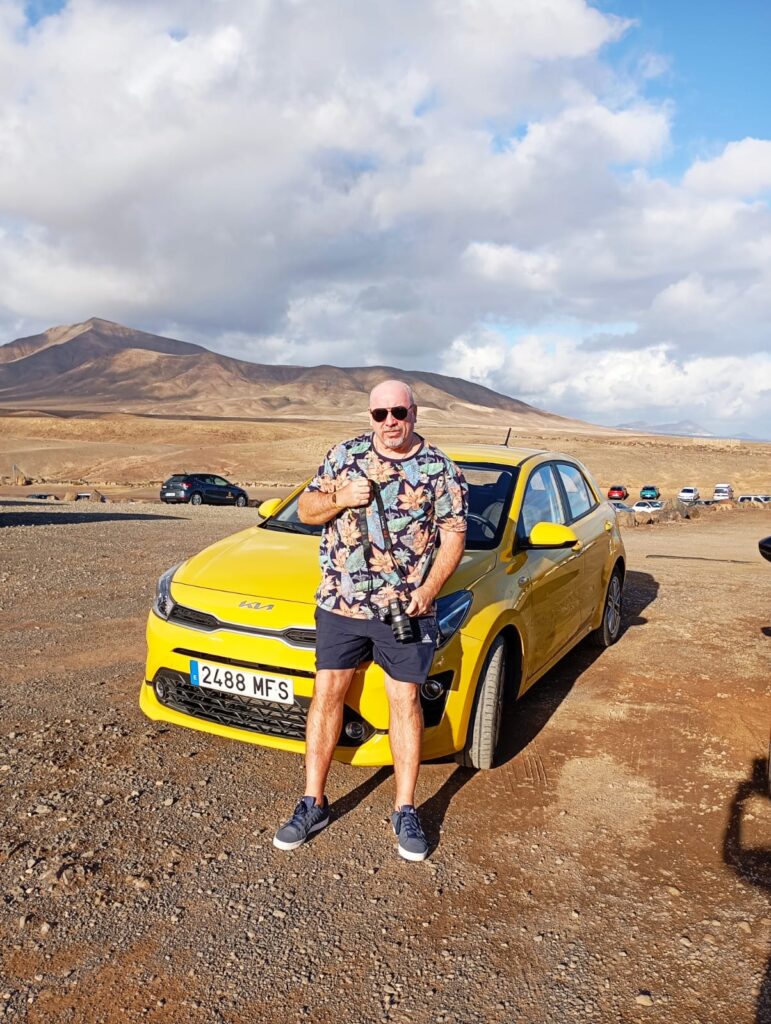
Most visitors to Lanzarote spend their days shuttling between the resort beaches of Costa Teguise or Puerto del Carmen, the golden coves of Papagayo and the volcanic theatre of Timanfaya. Playa Quemada sits quietly off that well-worn route, a small, dark-sand bay on the southeast coast that the majority of tourists never find.
If you are the kind of traveller who actively seeks out the version of a place that feels untouched by mass tourism, Playa Quemada is worth knowing about. It will not suit everyone, and that is precisely the point. Before you head here, it helps to have a solid understanding of the island as a whole — the Lanzarote Travel Guide gives you that bigger picture and will help you fit Playa Quemada into a well-rounded itinerary.
Check Prices & Availability of Lanzarote Hotels
Table of Contents
Where Is Playa Quemada?
Playa Quemada sits on the southeastern coast of Lanzarote, roughly halfway between Puerto del Carmen to the north and Playa Blanca to the south. The nearest main road is the LZ-2, Lanzarote’s primary southern highway. From the highway, a narrow side road drops down through dry, scrubby terrain into a small cluster of whitewashed houses that constitute the village. The turn is easy to miss if you are not watching for it.
By car, the drive from Puerto del Carmen takes around 20 minutes. From Playa Blanca, allow a similar amount of time heading north. There is no public bus service that reaches Playa Quemada directly, so a hire car is effectively essential. Parking is informal and easy — the village is small enough that finding a spot is never a problem, even in summer.
The road into the village is narrow but paved, so a standard hire car handles it without difficulty. You do not need a 4×4 here, which is a pleasant contrast to the unpaved tracks leading to some of the Papagayo coves.
What The Beach Is Actually Like
The first thing to say, honestly, is that Playa Quemada is not a conventional sun-and-sand destination. The beach is a mix of dark volcanic sand and pebbles, with coarser, grainier underfoot conditions than you will find at the golden resort beaches. In places the shoreline is quite rocky, and the pebbles can be uncomfortable for anyone who forgot to pack water shoes.
What Playa Quemada does offer is atmosphere. The setting is quietly dramatic. Dark volcanic hills frame the bay, the water shifts from grey-green to deep blue depending on the light, and the handful of simple whitewashed houses along the waterfront look like they belong to a Lanzarote that existed long before tourism arrived. There are no sunbed rental operations, no beach bars pumping music, and no queues for ice cream. The place simply sits there, doing very little, and is enormously better for it.
The village itself is tiny. A few permanent residents, a handful of fishing boats, and a general atmosphere of unhurried quiet. At certain times of year you can go an entire morning without seeing another tourist.
Swimming and Snorkelling
Swimming is possible at Playa Quemada on calm days, and the water can be surprisingly clear. However, it is worth managing expectations. The rocky and pebbly shoreline makes entry and exit a little awkward, and the beach does not offer the smooth sandy wading experience of Playa Flamingo or Playa Dorada. On days when there is any swell running, the water becomes choppy and swimming is less comfortable.
Snorkelling along the rocks can be rewarding when conditions cooperate. The rocky substrate provides habitat for a variety of small fish and marine life, and visibility is often decent away from the shoreline disturbed by wave action. This is not a structured snorkelling destination in the way that Playa Chica in Puerto del Carmen is, but casual snorkellers with their own equipment will find things to look at.
There is no lifeguard presence at Playa Quemada. Exercise the same common sense you would on any unpatrolled beach, particularly with children.
If you want a broader comparison of swimming conditions across the island, the guide to the best beaches in Lanzarote sets out which beaches suit different types of swimmers and what to expect in terms of sea conditions around the coast.
Facilities and What To Bring
Facilities at Playa Quemada are minimal by design. There are no sunbed hire operations, no showers on the beach, and no public toilets that I could find during a visit. The village does have a small, simple restaurant — the kind of place that serves straightforward Canarian food at honest prices, with an atmosphere that you will not find anywhere near the main resort strips. Fresh fish, papas arrugadas and local wine are the order of the day. Opening hours can be irregular outside of peak season, so do not arrive banking on a specific meal time.
Pack accordingly before you leave your accommodation:
- Water — more than you think you need, especially in summer
- Sun protection — shade is limited and the volcanic dark surfaces reflect and absorb heat
- Water shoes — highly recommended for entering and exiting the water
- Your own snorkelling equipment if you plan to explore the rocks
- Cash — the restaurant is unlikely to have a card machine, though this may have changed
The Spain Tourism website offers useful general packing advice for Canary Islands beach trips, including sun safety guidance that is particularly relevant for the high UV levels in Lanzarote.
Best Time To Visit
Playa Quemada is a year-round destination in the sense that Lanzarote’s weather stays mild throughout the year. That said, the shoulder months of April, May, September and October give you the best combination of warm temperatures, calm sea conditions and very few other visitors. In July and August the heat intensifies and even this quiet spot sees slightly more traffic, though nothing approaching the resort beach crowds.
Winter visits are perfectly viable. The days are mild and often sunny, though sea temperatures drop to around 18°C and wind can be persistent. The village takes on an even quieter character between November and February, which either appeals to you or it does not.
Mornings are generally the best time for a beach visit here, both for calmer sea conditions and for the quality of light on the surrounding volcanic landscape.
What Is Nearby
Playa Quemada sits in useful proximity to several worthwhile stops. Heading south along the coast road brings you towards Puerto Calero, a small marina village with upmarket restaurants and a polished waterfront atmosphere that contrasts sharply with Playa Quemada’s simplicity. A meal at Puerto Calero followed by a quiet morning at Playa Quemada makes a genuinely good pairing.
Further south, Playa Blanca offers resort amenities, the Papagayo beaches and ferry access to Fuerteventura. To the west, El Golfo — with its vivid green volcanic lagoon and excellent seafood restaurants — is one of the most memorable stops on the island and well worth combining with a Playa Quemada visit on the same day.
The wine country of La Geria lies inland from this part of the coast, and a drive through the volcanic vine landscape can easily be added to a day that begins or ends at Playa Quemada.
Who Is Playa Quemada Best For?
Be clear-eyed about this. Playa Quemada is not the right beach for:
- Families with young children who need flat, sandy entry into calm, shallow water
- Visitors who want sunbeds, showers and beach bars within arm’s reach
- Anyone whose idea of a beach day involves infrastructure
It is very much the right beach for:
- Couples or solo travellers who actively want to escape resort life for a morning
- Photographers drawn to volcanic scenery and authentic village character
- Snorkellers with their own kit and a tolerance for rocky entry
- Repeat visitors to Lanzarote who have already ticked off the headline beaches and want something different
- Anyone who finds the main resort beaches too managed and too busy
If you fall into the second group, Playa Quemada will stay in your memory long after the resort beaches have blurred together.
Frequently Asked Questions
Is Playa Quemada safe for swimming?
Swimming is possible on calm days, but the rocky and pebbly shore makes entry awkward, and there is no lifeguard cover. It is not recommended for young children or weak swimmers. Check sea conditions on the day before entering the water.
Can I get to Playa Quemada without a car?
Not easily. There is no direct public bus service. A hire car is the practical option. Taxis from Puerto del Carmen or Playa Blanca could work for a drop-off visit, but you would need to arrange a return too.
Is there anywhere to eat at Playa Quemada?
There is a small restaurant in the village serving straightforward Canarian food. Opening hours can be irregular, particularly outside of summer. It is worth having a backup plan if eating there is important to your day.
How busy does Playa Quemada get?
Even in peak season, Playa Quemada remains very quiet by Lanzarote standards. Most tourists stick to the main resort beaches and the Papagayo coves. This beach attracts mostly in-the-know visitors and occasional locals.
What is the sand like at Playa Quemada?
The sand is dark volcanic in colour and mixed with pebbles in places. It is quite different from the imported golden sand of the resort beaches. Water shoes are a sensible precaution, especially if you plan to swim.
How long should I spend at Playa Quemada?
Two to three hours is probably the right amount for most visitors. It is best combined with a wider southeast coast day that might also include Puerto Calero, El Golfo or a drive through La Geria rather than treated as a standalone full-day destination.
Is Playa Quemada good for snorkelling?
It can be, on calm days. The rocky substrate along the edges of the bay supports marine life and visibility is often reasonable. You will need to bring your own equipment as there is no hire available in the village. Avoid attempting to snorkel when there is any significant swell running, as the rocky entry and exit points become hazardous.
Is there parking at Playa Quemada?
Yes. Parking is informal and free. The village is small and the access road quiet, so finding a space is rarely an issue even during busier periods. A standard hire car handles the road into the village without difficulty.
Are dogs allowed at Playa Quemada?
There are no formal restrictions posted, and the beach is unmanaged, so dogs are generally tolerated here — particularly outside of peak season. It is always worth checking current local rules before visiting with a pet, as regulations across Lanzarote’s beaches can vary.
What should I wear or bring to Playa Quemada?
Pack sun cream, plenty of water, water shoes for the rocky shoreline, and cash for the restaurant. Shade is limited so a hat and lightweight cover-up are advisable, particularly between May and September when UV levels are high.
Final Thoughts
Playa Quemada is not trying to compete with the polished resort beaches or the famous Papagayo coves. It does not need to. It occupies a different category entirely — a place where the island feels genuinely itself, unhurried and unvarnished, with volcanic scenery that reminds you what Lanzarote looked like before the sun loungers arrived.
For the right kind of traveller, a quiet morning at Playa Quemada followed by lunch at one of the nearby village restaurants is one of the most satisfying things you can do on the island. It asks nothing of you except the willingness to seek it out.
If you are still building your wider plans for the island, the full Lanzarote Travel Guide covers everything from where to stay and how to get around, to the best day trips and must-see attractions across all corners of Lanzarote. Use it alongside this article to put together an itinerary that balances the well-known highlights with quieter discoveries like this one.